
Why Is Hinduism Important?
September 06, 2023
Hinduism is an ancient religion that has been around for more than 4,000 years, making it one of the oldest religions in the world. As one of the most popular religions in the world, Hinduism is an important practice to explore and understand. In this blog post, we will discuss why Hinduism is so important and relevant today. We will talk about its influence on spiritual and philosophical principles, its religious practices, and its importance to the culture and traditions of the Hindu people.
Hinduism is important for several reasons, both historically and culturally. It is one of the world's oldest religions, with a rich and diverse history dating back thousands of years. Here are some key reasons why Hinduism is important:
Discover the key aspects of Hinduism - its beliefs, practices, gods, scriptures, caste system, rituals, symbolism, traditions, scriptures, dharma, yoga, Jainism, sacred texts, karma, reincarnation, meditation, ayurveda, devotion and holidays. Learn more about this ancient faith and its influence on Indian civilization.

Cultural Significance: Hinduism has had a profound impact on the culture, art, philosophy, and traditions of the Indian subcontinent. It has played a central role in shaping the identity of the region and has contributed significantly to the development of Indian civilization.
Philosophical: Hinduism is known for its profound and diverse philosophical traditions. It encompasses a wide range of philosophical schools, including Vedanta, Samkhya, Yoga, and Nyaya, which have influenced not only religious thought but also the broader philosophical discourse worldwide.
Religious Diversity: Hinduism is a highly diverse religion with a multitude of beliefs, practices, and sects. It accommodates a wide spectrum of religious expressions, from polytheism to monotheism, and from ritualistic worship to philosophical contemplation. This diversity reflects the pluralistic nature of Hinduism and has contributed to its enduring relevance.
Religious Texts: Hinduism is associated with a vast body of sacred texts, including the Vedas, Upanishads, Bhagavad Gita, and the epics Mahabharata and Ramayana. These texts provide guidance on spiritual and ethical matters and serve as a foundation for religious and philosophical teachings.
Spiritual Practices: Hinduism offers a variety of spiritual practices, including meditation, yoga, bhakti (devotional) practices, and karma (action and consequences). These practices have gained worldwide popularity and have had a profound impact on the global spiritual landscape.
Explore the spiritual practices, religious texts, and essential teachings of Hinduism. Discover how this ancient religion has influenced cultures throughout the world, from its gods and goddesses to its rituals and beliefs. Gain an understanding of Hinduism's relationship to other faiths and how its teachings can bring benefit into your life.
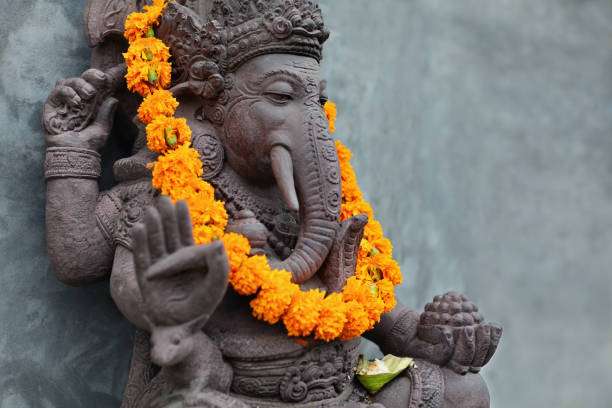
Cultural Heritage in india: Hinduism has given rise to a rich cultural heritage that includes classical Indian music, dance, art, architecture, literature, and rituals. These cultural elements have not only enriched the Indian subcontinent but have also found appreciation and influence worldwide.
Ethical and Moral Values: Hinduism promotes a set of ethical and moral values, such as compassion, non-violence (ahimsa), truthfulness (satya), and self-discipline. These values have had a significant impact on the moral framework of Indian society.
Influence on Other Religions: Hinduism has influenced and been influenced by various religious traditions in India, including Buddhism, Jainism, and Sikhism. It has also had interactions with other religions, contributing to the development of religious thought and practices in the region.
Contemporary Relevance: Hinduism continues to be a vibrant and evolving religious tradition with millions of followers worldwide. It plays a vital role in the lives of individuals and communities, shaping their values, rituals, and way of life.

Hinduism's importance lies in its rich history, diverse philosophical traditions, cultural influence, and enduring spiritual and ethical teachings. It has left an indelible mark on the Indian subcontinent and has contributed to the global religious and philosophical discourse.
Hinduism History: A Journey Through Time
Hinduism has been around for thousands of years, and its history is interesting and full of fascinating stories. In this blog post, we'll take a journey through time to discover the origins and development of Hinduism and its beliefs. We'll explore its main teachings, the scriptures, the customs and rituals, and its long-standing influences in the world. Join us as we revel in the wonders of Hinduism's long and rich history!
The history of Hinduism is a complex and multifaceted journey through time that spans thousands of years. It is marked by the evolution of religious and philosophical thought, the development of rituals and practices, and interactions with various cultures and traditions. Here's a brief overview of the history of Hinduism:
Indus Valley Civilization (circa 3300–1300 BCE): Some of the earliest archaeological findings associated with what may be precursors to Hinduism are from the Indus Valley Civilization, which existed in what is now modern-day India and Pakistan. However, the exact nature of their religious practices remains a subject of debate.
Vedic Period (circa 1500–500 BCE): The Vedic period saw the composition of the sacred texts known as the Vedas, which are among the oldest religious texts in the world. The Rigveda, in particular, contains hymns and rituals that form the basis of early Hinduism. During this period, rituals and sacrifices (yajnas) were central to religious practice.

Upanishadic and Philosophical Period (circa 800–200 BCE): The Upanishads, a group of philosophical texts, explored the nature of reality, the self (Atman), and the ultimate reality (Brahman). These texts laid the foundation for key philosophical concepts in Hinduism, including the idea of moksha (liberation) and the relationship between the individual soul and the universal consciousness.
Hinduism is one of the oldest religions in the world. This article explores its origins, beliefs, scriptures, practices, ideology, gods, rituals, culture, symbolism, teachers, saints, arts, pre-Vedic period, festivals, and mythology. Gain a deeper understanding of this ancient religion with us.
Epic Period (circa 400 BCE–400 CE): The Mahabharata and the Ramayana, two of India's most significant epic narratives, were composed during this period. These epics contain moral and philosophical teachings and also introduce key deities such as Lord Krishna and Lord Rama.
Classical Period (circa 400 CE–1200 CE): During this period, Hinduism underwent significant developments. Various sects, such as Vaishnavism, Shaivism, and Shaktism, gained prominence. The Puranas, which are a genre of texts containing myths, legends, and religious teachings, were composed, providing narratives and stories that continue to be important in Hinduism.
Bhakti Movements (circa 600–1700 CE): The medieval period saw the rise of devotional (bhakti) movements, which emphasized a personal relationship with a chosen deity. Prominent saints and poets, like Ramanuja, Shankaracharya, and various bhakti saints, played a vital role in shaping popular Hinduism.
Mughal Empire (circa 16th–19th centuries): Hinduism encountered external influences through interactions with Islamic rulers and later with British colonialism. This period brought changes in society, administration, and religious practices.

Modern Period (late 19th century to the present): Hinduism has continued to evolve in response to changing social, political, and cultural dynamics. Reform movements, like the Arya Samaj and Brahmo Samaj, aimed to address social issues and promote rationalism. In the 20th century, figures like Mahatma Gandhi drew upon Hindu principles in the struggle for Indian independence.
Today, Hinduism remains a diverse and dynamic religion with millions of followers worldwide. It continues to adapt to the challenges and opportunities of the modern world while preserving its ancient traditions and spiritual insights. The history of Hinduism reflects its resilience and adaptability over millennia.
What is Hinduism and How Does it Impact Our Lives?
Hinduism is one of the oldest and most widely practiced religions in the world. Its origins can be traced back to the Indus Valley Civilization that flourished in India around 1500 BCE. Although there are millions of Hindu followers in India, Hinduism has spread worldwide and currently has more than 1 billion adherents all over the world. Its impact on our lives is undeniable, as it influences our beliefs, values, culture, traditions, and views of the world and the divine. In this blog post, we'll explore what Hinduism is, its core beliefs and values, and how it impacts our lives.
Learn all about Hinduism – an ancient religion with 1 billion adherents around the world. Explore its core beliefs, values, rituals, scriptures, science, festivals, yoga, meditation, caste system, karma, politics, philosophy, and influence on other religions. Discover how understanding Hinduism can impact your life and worldview.
Hinduism is a complex and diverse religion that encompasses a wide range of beliefs, practices, and traditions. It is one of the world's oldest religions, with a rich history that dates back thousands of years. Understanding Hinduism and its impact on our lives requires exploring its core concepts and how they influence individuals and communities:

Core Beliefs and Concepts:
Dharma: Dharma refers to one's duty or moral responsibility in life. It varies based on one's age, gender, caste, and social position. Following one's dharma is considered essential for leading a virtuous life.
Karma: Karma is the concept of cause and effect. It suggests that one's actions in this life and past lives determine their future experiences. Positive actions lead to positive outcomes, while negative actions lead to negative consequences.
Reincarnation: Hinduism believes in the cycle of birth, death, and rebirth (samsara). The quality of one's next life is determined by their karma in previous lives.
Moksha: Moksha is the ultimate goal of liberation from the cycle of samsara. It involves realizing one's true nature and merging with the divine (Brahman). Various paths, including meditation, devotion (bhakti), and knowledge (jnana), can lead to moksha.
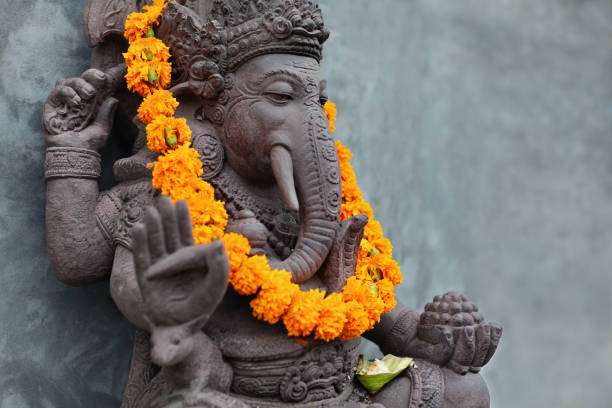
Polytheism: Hinduism is often associated with a pantheon of gods and goddesses, including Brahma (the creator), Vishnu (the preserver), and Shiva (the destroyer), among many others. Devotees often worship specific deities based on personal preference.
Practices and Rituals:
Meditation and Yoga: Hinduism has been instrumental in popularizing meditation and yoga practices worldwide. These techniques promote physical, mental, and spiritual well-being.
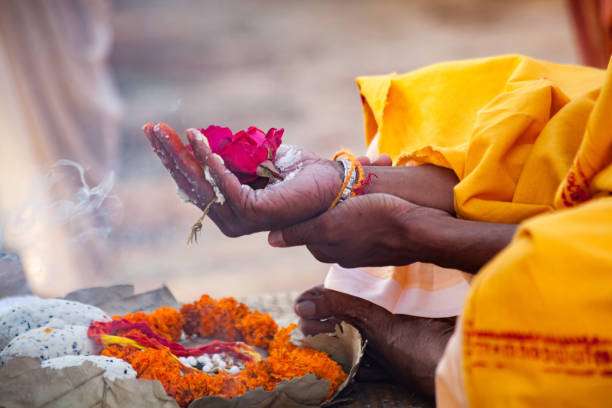
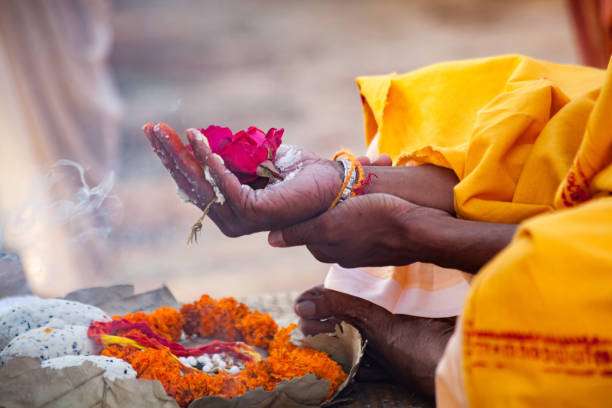
Puja: Hindus engage in daily and special rituals, including the offering of prayers, incense, and food to deities in their homes or temples.
Festivals: Hinduism is marked by a multitude of festivals, such as Diwali, Holi, and Navaratri. These celebrations are a vibrant expression of religious and cultural identity.
Pilgrimage: Hindus often undertake pilgrimages to sacred sites like Varanasi, Ayodhya, and Rishikesh to seek spiritual enlightenment and cleanse their karma.
Impact on Our Lives:
Ethical and Moral Values: Hinduism promotes a set of ethical values, including non-violence (ahimsa), truthfulness (satya), and compassion. These values shape the moral framework of individuals and communities.
Cultural Heritage: Hinduism has contributed significantly to India's cultural heritage, including classical music, dance, art, and architecture. These cultural elements continue to influence art and culture globally.
Spiritual Growth: Hinduism offers various paths to spiritual growth and self-realization. Practices like meditation and yoga have been adopted worldwide for their mental and physical health benefits.
Interconnectedness: Hinduism emphasizes the interconnectedness of all living beings and the importance of harmony with nature. This ecological consciousness has gained importance in the context of environmental issues.
Pluralism: Hinduism's diversity and acceptance of different paths and beliefs have contributed to a culture of religious tolerance and pluralism in India.
In summary, Hinduism is a multifaceted religion that impacts our lives in various ways, from providing a moral and ethical framework to offering practices for spiritual growth and well-being. Its cultural and philosophical contributions have left a lasting mark on the world, and its principles continue to inspire individuals seeking meaning and purpose in life.
Summary
Hinduism is an ancient religion with a rich and diverse history. It has had a profound impact on the culture, art, philosophy, and traditions of the Indian subcontinent. Hinduism is known for its profound and diverse philosophical traditions, its influence on other religions, and its contemporary relevance. It offers a variety of spiritual practices, including meditation, yoga, and bhakti (action and consequences). Hinduism has shaped the lives of individuals and communities, shaping their values, rituals, and way of life.
Welcome to Sanjay Lathiya's world - where valuable insights engulfing the various aspects of Hinduism are at your fingertips! We are proud to invite you to explore our latest blog- "Why Is Hinduism Important ?" at https://www.sanjaylathiya.com. We guarantee an enlightening journey that delves into the profound reasonings and significance of Hinduism. Experience 100% customer happiness, timely shipping and a surge of knowledge on this journey with us. And with the world's eyes on Bharat or India as it's commonly known, due to recent developments at the G-20 Summit in New Delhi where the government has used 'Bharat', the ancient Sanskrit name for the country, in dinner invites, the relevance of our blog couldn't be more timely! The concept of Bharat, an essential part of our age-old Hindu texts, reflects the deep cultural roots and history that have shaped today's modern India. Our blog explores the significance of such aspects of Hinduism and much more. Join us as we understand the importance of Hinduism in the socio-cultural fabric of Bharat, with our blog "Why Is Hinduism Important ". We wait eagerly to welcome you!
#Hinduism #Bharat #SanjayLathiya
About Hinduism
1. What is Hinduism?
Hinduism is an ancient religion that has been around for more than 4,000 years. It is one of the world's oldest religions and is characterized by its diverse beliefs, practices, and sects.
2. What are the main beliefs of Hinduism?
The main beliefs of Hinduism include the cycle of rebirth, the karma principle, and the belief that Brahman (the Ultimate Reality) is manifest in each individual.
3. What are the main sacred texts of Hinduism?
The main sacred texts of Hinduism include the Vedas, Upanishads, Bhagavad Gita, and the epics Mahabharata and Ramayana.
4. What are the main spiritual practices of Hinduism?
The main spiritual practices of Hinduism include meditation, yoga, bhakti (devotional) practices, and karma (action and consequences).
5. Why is Hinduism important?
Hinduism has had a profound impact on the culture, art, philosophy, and traditions of the Indian subcontinent. It has played a central role in shaping the identity of the region and has contributed significantly to the development of Indian civilization. Additionally, its spiritual practices and religious texts have had a global impact and have gained worldwide popularity.