

The Influencer Marketing Minefield: Tips to Avoid Common Pitfalls
June 17, 2025
Common Influencer Marketing Mistakes Brands Make — and How to Avoid Them
Once seen as a cool add-on, influencer marketing has settled into the backbone of most digital plans. Even so, lots of brands still stroll into the same noisy traps. These slip-ups aren't cute learning curves; they drain budgets, dent reputations, and leave great ideas on the cutting-room floor. Surveys show over sixty percent of companies walk away grumbling after campaigns that were slapped together without a roadmap. So if you're fed up with throwing dollars at posts that barely blink, read on to spot and dodge the pitfalls pros keep bumping into. With a little extra care, your next rollout can be smart, smooth, and, most importantly, worth every cent.Choosing the Wrong Influencer
Not every online star shines the same. When brands choose an influencer by follower numbers alone, trouble starts. A celeb trainer with millions on the treadmill list still won't sell your smartwatch if they hardly mention tech gear. Worse, their fans think sprinting, not studying, so your gadget looks like a random ad that doesn't belong. Such mismatches feel fake, and audiences smell opportunism from miles away. If the influencer already shills a rival product, your partnership sounds like background noise nobody trusts. Fix it: pick partners whose values, tribe, and past posts line up with your brand. Scan their feed and comments, then check age, gender, and real interests before you sign. Review ten fresh posts, request a media kit, and ask for numbers from earlier campaigns. A little homework now keeps your launch drama-free later.Targeting the Wrong Audience
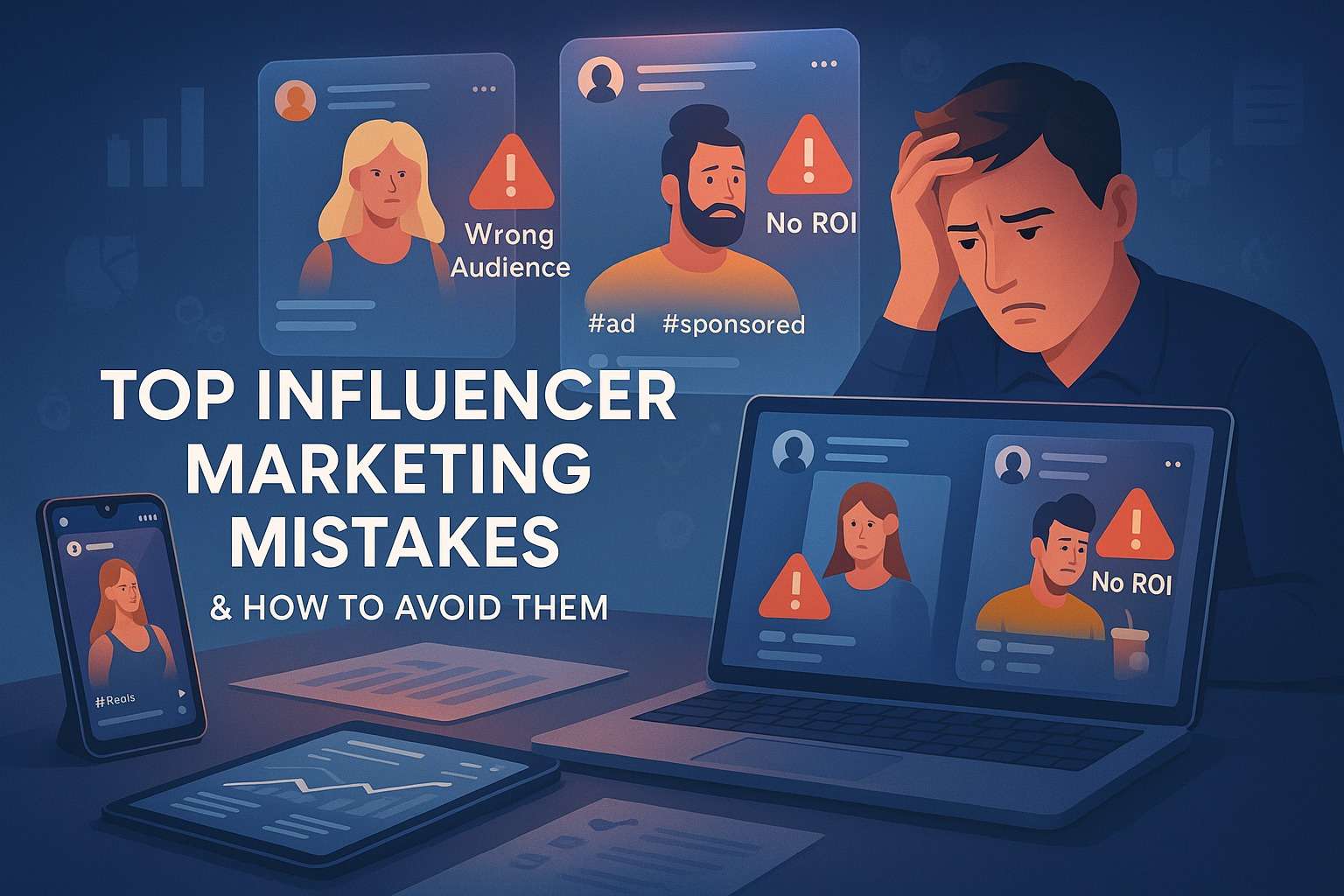
You could partner with a hot influencer, shoot eye-popping photos, and still miss the mark. The reason is simple yet deadly: your message lands in the wrong feed. An influencer might post gym videos every morning, yet their crowd could just be scrolling for inspiration, not shopping. Or most followers might live halfway around the world from your local store, making every dollar wasted. Too many brands skip the step of reading what those followers truly care about, beyond basic age or gender. The result is high likes but low clicks, ruining the return on money and time spent. To dodge that trap, sketch a clear picture of who you're selling to, then hunt for creators whose fanbase fits that sketch. Use audience-testing tools that reveal interests, habits, and even location before you sign a contract. If still in doubt, test the water with a tiny pilot campaign before you bet big.No ROI Tracking Strategy
Throwing cash at ads and never checking what comes back? That's asking for trouble. Lots of brands launch influencer stunts without clear KPIs, so the ROI tumbles. If no numbers are set, no one can tell if the post wowed audiences or just shrugged. Guesswork jumps in, wearing the badge of insight. Even worse, the team stops learning-elapsed flops sink without becoming informative case studies. If results stay hazy, budgets drift, and every next spend looks iffy. Remedy it: log engagement, site traffic, orders, and brand chatter. Build custom UTM tags and share unique discount codes with every creator so you can follow each signal. When sales happen in-store, add quick questions like How did you find us? to trace the source. And always stack results against earlier campaigns to spot trends and tweak for the next round.Many brands leap into influencer marketing without a solid game plan. The result? Choppy posts, late deliveries, and mixed messages bouncing between feeds. It's a classic sign of an absent strategy. Without a shared theme or vision, the work feels scattered. Influencers read the brief in their own way, and the brand starts to blur. No timetable also invites awkward collisions with big news or holidays, wasting precious eyeballs. Fix it: Begin with a clean, written brief. What do you want to achieve? Who are you speaking to? What exact posts, stories, or videos do you need? Spell it out on paper. Add style rules, file sizes, upload times, and instructions for handling comments. This framework gives every voice the same tune, keeping the brand steady.
Poor Budget Allocation
Putting money toward influencer marketing isn't a game of darts. Pouring too much into one named star or skimping on smaller creators can ruin results. Without a clear dollar plan, brands can't grow at the right speed or turn fast when something bends. Keeping room in the budget means you can test every format, Story, and stills, and run delays that keep followers talking. If one partner leads, you need extra cash ready to boost that win. Fix it: build a strong plan from the start. Spread funds across different influence tiers, post boosting, and the tracking tools that prove value. Add in sneaky expenses like shipping samples or the small fees most platforms quietly collect. Keep the budget open, tweak it mid-run, and always line up what you spent with what you first set out so you can nail the next one.Lack of Disclosure and Transparency
By 2025, shoppers know the game, and the FTC is paying close attention. Transparency problems aren't just annoying paperwork; they can blow up a brand's good name. When a sponsor note is missing or too vague, followers push back or walk away. Companies now answer for the slip-ups of the influencers they hire, even if the talent dropped the ball. What's worse, showing a clear disclosure on one platform but hiding it on another chip away at credibility. An Instagram Story with no #ad, yet a static photo that says otherwise, is still seen as tricking people. The fix is simple: use plain phrases like #ad or Paid partnership with [Brand] right up front in captions, videos, or story text. Set rules about placement-say, in the first three lines of a caption or the opening card of a clip-so followers spot it fast. Finally, check every story, Reel, post, and even Live chat to catch problems early and dodge fines.Poor Communication with Influencers
Remember, influencers are storytellers, not vending machines that spit out ads. When messages get tangled, partnerships cool, jobs flop, and the brand name takes an unneeded hit. A hazy brief may prompt a creator to forget a logo or angle the product awkwardly, cutting impact. Over-explaining, however, chokes off their spark and turns a fun project into a paint-by-numbers task. Either path leaves bland content and yawning followers. Fix it: treat influencers like real partners. Start with a friendly video call, hand over a clear timeline, and reply to questions promptly. Respectful openness grows loyalty that lasts past one upload. For bigger projects, set short check-ins to sync style, posting times, and new ideas. Shared goals keep everyone on the same path and show you value the creators' voice.Inauthentic Content Creation
These days, shoppers can smell a phony post from far off. If a video or caption reads like a dry script, people just scroll on. That disconnect turns influencer shout-outs into weak sales pitches that barely register. When a plug sounds forced, trust slips away in an instant. Even top creators look like sell-outs when they trade their own style for canned lines. Instead of real examples, viewers get rehearsed ad-speak dressed up as everyday chat. Trouble starts the moment followers notice. To fix it, let creators talk in their own voice and shoot how they normally would. Share your goals and a few key points, then step back and let them decide the look and tone. Formats like behind-the-scenes clips, day-in-the-life stories, or honest thumbs-up reviews work best. Real content feels relatable, and that leads to higher clicks, steady trust, and a better brand name over time.Legal Oversights and Contract Gaps
Bypassing a written agreement puts a brand on shaky ground, because content rights, deadlines, and payment questions quickly turn into headaches. Without clear terms, an influencer might reuse a video they shouldn't or yank it offline early, and the brand ends up empty-handed. If a termination clause is missing, the company can be stuck with a contract that refuses to deliver results. Loose wording around licensing might also bar the brand from using the same post in future ads or on its own website. The simple fix is to spell everything out in a solid contract that covers deliverables, usage, payment, timing, and disclosure. Using a checklist lets both parties confirm walk-through terms. Be sure to add points about who owns the content, the right to boost or tweak it, and exact deadlines for removal if the deal ends.Even a winning promotion can crash later on if you don't pause and learn. Ignoring key numbers leaves you flying blind; you can't repeat what actually clicked. Every new effort turns into guesswork, robbing you of the confidence earlier success gave. The result? Stunted growth, drained budgets, and less chance to grow ROI over time. Fix it: tap solid influencer-tracking tools that show reach, engagement, sales, and overall return. Build your own yardstick so future partnerships can be measured side by side. After each run, gather the team: What clicked? What flopped? Pass those notes to creative and ad buyers so every next move is sharper, smarter, and less expensive.
One-off posts won't build brand loyalty. Too many brands forget that sticking with the same influencer over months delivers far better results than a quick one-shot deal. When you partner often, viewers start to link the influencer with your product, almost like they see them as a friendly brand ambassador instead of a stranger. Plus, influencers who feel appreciated naturally weave your items into their daily posts. That steady tie-up feels real and usually pays back better. Fix it: nurture the bond. Call back your top creators. Invite them to product drops or secret online hangouts. Treat them like part of the team, not a freelance line item. That warmth shows and gives you sharper photos, longer audience retention, and fans who talk about you even when the contract ends.
After a big campaign, it is easy to forget the cool images and videos the influencer already gifted you. But tossing that content back into the digital drawer is about as smart as letting an expensive billboard collect dust. Good influencer media takes time, editing, and sometimes even travel dollars, so it should earn its keep whenever you can. Failing to use those clips in paid ads, website banners, newsletters, or landing pages is basically turning money into pixels and leaving them in the street. Fix it: spell out usage rights in the first deal so both sides know what's allowed. Store those samples in a tidy digital cabinet with clear expiration dates, and pull them out for future pushes without fear of a legal headache.