
The Impact and Influence of Hindu History - Examining its Literature, Architecture, and Politics

October 28, 2023
Hinduism has a long and intricate history that has shaped the culture and traditions of India and South Asia. From the earliest scriptures to the philosophies of the present day, Hindu history has left a lasting impression on many aspects of life in this region. In this blog post, we will explore the importance and influence of Hindu history, examining its impact on literature, architecture, politics, and many other aspects of life. We will also look at how Hindu history has been interpreted differently over time in different societies, cultures, and religions. Finally, we will discuss how Hindu history continues to be influential today in shaping the identity of India and South Asia.
Explore the Importance of Hindu History
Hindu history is an incredibly important part of understanding the many religions, cultures, and philosophies of India. Dating back thousands of years, Hindu history is complex and multifaceted and offers insight into the beliefs and values of its practitioners. Hinduism is the cornerstone of Indian culture and its influence is still evident today, making a familiarity with Hindu history essential for understanding the Indian subcontinent.
Hinduism is unique among world religions for its diverse and complex philosophy. It is among the world’s oldest religions and is composed of a variety of beliefs, including the four Vedas—Rig, Yajur, Sama, and Atharva. Hinduism also has multiple gods, with the most important and popular being Brahma, Vishnu, and Shiva. Along with its many gods comes a range of religious rituals, such as festivals, rites of passage, and prayer.
Hindu history also helps us to understand the various schools of thought that arose in India over the centuries. These can be broadly classified into two main groups: the Vedic tradition, which is based on the Vedas and emphasizes personal duty and morality, and the Upanishadic tradition, which is based on the Upanishads and focuses on inner fulfillment and knowledge of self. Through Hindu history, we can see how the two schools of thought developed and interacted with one another, and how they impacted the culture of India.

The various branches of Hinduism also provide insight into the evolution of Indian society. For example, Buddhism, Jainism, and Sikhism all began as distinct movements within the Hindu faith but eventually evolved into separate religions. The contributions of these various schools of thought to Hinduism are still evident today, and their influence can be seen in the many facets of Indian culture.
Through a study of Hindu history, we can gain an appreciation for the many layers and complexities that are present in the faith. From the gods to the various schools of thought, Hindu history offers insight into the beliefs, values, and culture of the Indian subcontinent. By understanding the history of Hinduism, we can better understand India today and appreciate its unique and diverse culture.
Hindu history is essential for understanding our collective cultural heritage as well as the fundamentals of the world’s oldest religion. For centuries, Hinduism has been a source of wisdom and guidance for millions of people around the world, and its history is deeply intertwined with the development of Indian culture and spirituality.
Hindu scriptures such as the Vedas, Upanishads, and Mahabharata, form the very foundations of Hindu thought and beliefs. Through these texts, Hinduism explores the relationships between humans, the
divine, and the universe. Ancient Hindu beliefs place emphasis on Dharma, Karma, and the practice of Dharma Yoga, which is a path to transcendental knowledge and liberation.
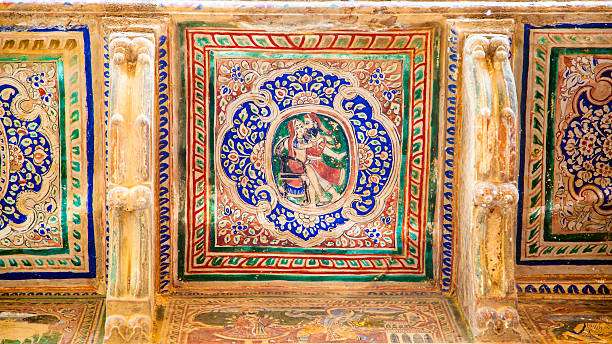
Hindu mythology and art, which have grown out of the ancient Vedic texts, tell stories of cosmological systems, gods, and goddesses; providing a glimpse into spiritual truths. Hindu philosophy, which dates back to the Vedic period, had a major influence on the development of Buddhism and Jainism.

More recently, Hinduism has had a significant impact on modern society. For example, Hinduism has been an influential force in India’s struggle for independence from British colonial rule in the early 20th century. Additionally, Hindu values and beliefs have shaped many of the principles that form the basis of India’s democratic system. , Hinduism has also had an influence on other spiritual traditions, such as Buddhism, Jainism, and Sikhism.
It is clear that Hindu history is of utmost importance to the understanding and preservation of our cultural heritage. Through its texts, art, and philosophy, Hinduism bridges the gap between us and our ancient roots. By studying Hindu history, we can better understand the complexities of Indian culture, as well as our collective spiritual journey.
From an academic perspective, Hindu history provides a wealth of knowledge and insight into the development of India’s spiritual and cultural traditions. By exploring ancient texts, researching various Hindu mythology, examining Hindu art and architecture, and learning about the Vedic tradition, we can gain a deeper understanding of the history of Hinduism and its impact on the world.
In conclusion, Hindu history is an essential part of understanding Indian culture and its spiritual legacy. By studying Hindu history, we can gain an appreciation of our unique heritage and make more informed decisions regarding the future of our society.
The importance of Hindu history is immense and cannot be overstated. From understanding Hinduism and its practices to exploring its mythology and culture to examining its art, philosophy, and scripture - to uncovering its origins - understanding Hindu history is essential to unlocking its secrets. Furthermore, Hindu history has an unequaled legacy of imparting Indian values and has a strong impact on modern Indian culture and society. Ancient Indian texts provide an invaluable insight into the beliefs and practices of Hinduism, while its art and architecture have left a lasting mark on its people. Additionally, Hinduism has had a profound impact on world religions, and many of its teachings and philosophies are still relevant today. Examining Hinduism through its historical development can provide invaluable insight into its beliefs, traditions, and the role of gods and goddesses. It has also had an undeniable influence on religion and politics, and its impact can still be felt in today's global society. Ultimately, studying Hindu history is paramount in unlocking the mysteries of Ancient India, rediscovering its rich cultural heritage, and learning valuable life lessons.
How has Hindu history impacted literature and architecture?
Hindu history has had an immense impact on literature and architecture across the world. Hindu literature is some of the oldest in the world, and its influence on contemporary literature and architecture is still felt today.
Hindu literature has its roots in Vedic sources, which are some of the oldest known texts in the world. These texts contain stories, poems, and hymns that are both sacred and profane, giving us a glimpse into the beliefs and practices of ancient Hindus. This ancient literature has had a lasting influence on modern literature, and can even be seen in some of the works of authors such as William Shakespeare and J.R.R. Tolkien.
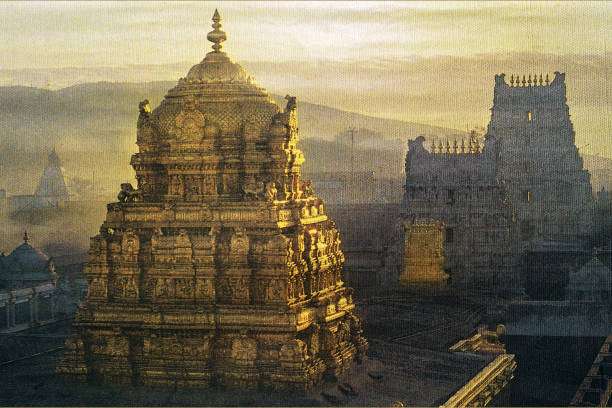
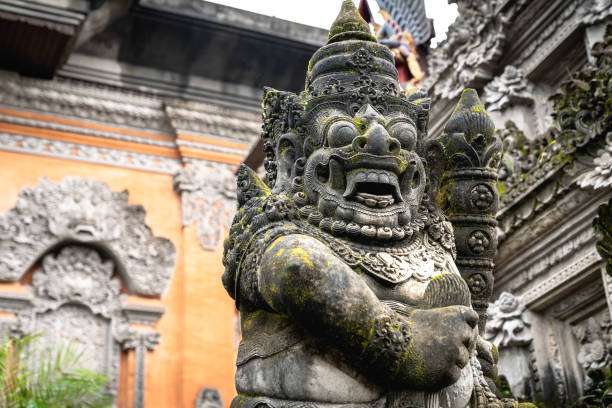
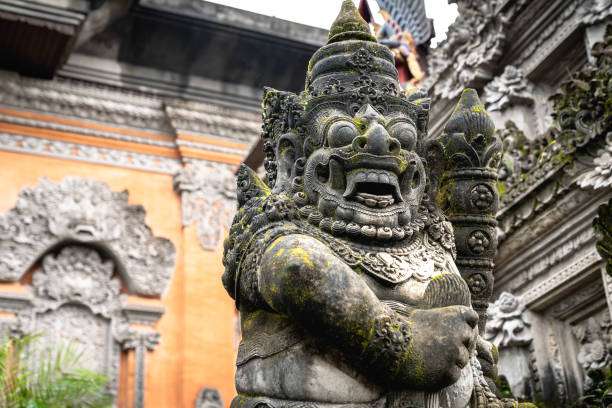
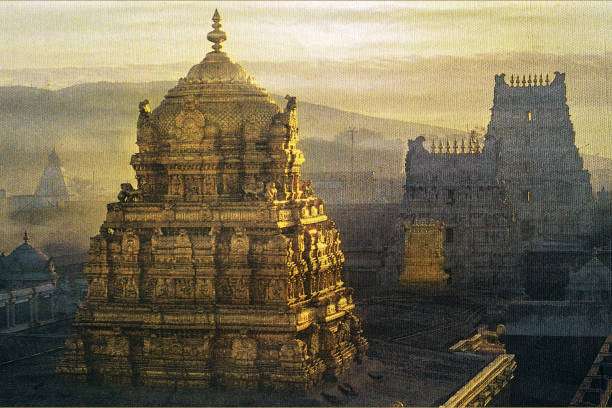
In addition to literature, Hindu history has also had an immense influence on architecture. Hindu temples and shrines are some of the most ornate and intricate structures in the world, as evidenced by the temples of India and Southeast Asia. These structures demonstrate the skill and creativity of the ancient Hindus, and their artistry can be seen in modern architecture as well.
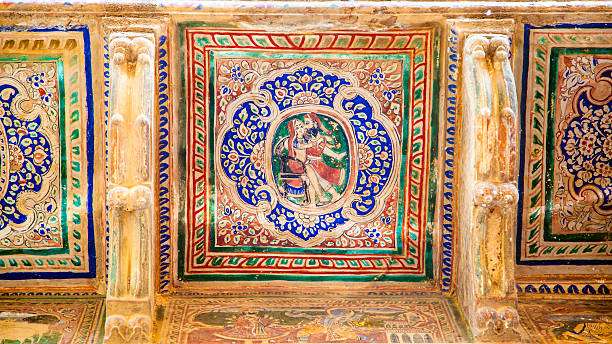
Hindu philosophy has also been a major influence in the world of art and architecture. Hindu gods and goddesses are often depicted in Hindu art, and their images can be seen in structures and sculptures throughout India and Southeast Asia. These representations often depict the gods and goddesses in their many forms and facets, giving us an insight into the complexity of Hindu mythology.
The influence of Hindu history can also be seen in the symbolic representations used in Hindu art and architecture. For example, Hindu temples often feature yantras, which are geometric figures that represent the balance and harmony between the material world and the divine. These symbolic representations often reflect the beliefs and values of the Hindus and are a powerful reminder of the importance of achieving spiritual equilibrium.
Overall, Hindu history has had an immense impact on literature and architecture. From the Vedic sources to modern Hindu art and architecture, the influence of Hindu history is apparent and lasting. Whether it is in literature or in architectural works, Hindu history has left a lasting mark that will continue to shape both disciplines for years to come.
How has Hindu history been interpreted differently in different societies, cultures, and religions?
Hindu history has been interpreted in a variety of ways throughout different societies, cultures, and religions. Its multifaceted nature has allowed for various perspectives to shape the narrative and provide insights into how religion has influenced the world. From its ancient roots in India to its subsequent spread across the globe, Hinduism has been celebrated and studied with enthusiasm in a multitude of contexts.
In India, Hinduism is at the core of the culture, providing a foundation for beliefs, traditions, and practices as old as the country. It has shaped how the nation views the world, and in turn, how the world views India and Hinduism. For example, the Hindu deities and their stories are a source of inspiration, helping to shape many aspects of life in the country. Additionally, the rituals and customs associated with the religion, from prayers and offerings to vivid festivals and colorful ceremonies, are widely observed.
Beyond India, Hinduism has been embraced by other societies, cultures, and religions. For instance, the Hindu practice of yoga is now a popular activity from the United States to Europe, and it has become increasingly popular in many other countries in recent years. Additionally, Hindu philosophy has been embraced by many people around the world, introducing ideas such as karma and reincarnation into the mainstream.
Despite the differences in perspective and interpretation, Hinduism remains a central part of many cultures and societies. The timeless stories and beliefs continue to be relevant and help to guide people as they search for meaning and purpose in their lives. By looking at Hindu history through a variety of lenses, we can better understand this ancient religion and the ways in which it has influenced the world.
How is Hindu history still influential today?
Hindu history, which dates back thousands of years, continues to be influential in many aspects of life not only in India but around the world. Hinduism has had a lasting impact on culture, philosophy, literature, music, art, and even the very way of life in many societies.
From the earliest Vedic texts to the great epics of the Mahabharata and the Ramayana, Hinduism has had a profound influence on the development of modern society. Its teachings of ahimsa (non-violence), dharma (righteousness), karma (retribution), and bhakti (devotion) have shaped countless aspects of religious and secular life. For instance, the concept of karma, that one’s deeds in this life will determine their situation in the next, is a core belief in Hinduism that resonates with many people.
Hinduism also features prominently in literature, music, and art throughout the world. The Bhagavad Gita, a sacred Hindu text, is the most widely translated book in the world after the Bible. Hindu gods and goddesses are often used as artistic inspiration and subject matter, from modern flamboyant musical productions to traditional folk stories and sculptures.
In addition, Hindu culture has had a strong influence on ethical systems, with its notion of dharma serving as a cornerstone for many of the world’s largest religions. Present-day vegetarianism, animal rights activism, and movements to protect the environment all stem from Hindu teachings, which emphasize the need to preserve life in all forms.
Perhaps most importantly, Hindu culture has strongly impacted spirituality and is the source of many of the world’s greatest spiritual traditions and practices. Yoga and meditation, which have become increasingly popular in the West, are deeply rooted in Hinduism and have been used as a means to achieve inner peace, mental clarity, and physical and emotional health.

As Hindu history continues to permeate around the world, it shows how a centuries-old religion can still be relevant today. The values, beliefs, and spiritual practices of Hinduism have had a lasting and far-reaching impact on numerous aspects of life, shaping the way in which we understand and interact with the world.
What are some of the main aspects of Hindu history?
Hindu history is one of the most interesting and complex topics to explore. With its origins reaching over 5,000 years into the past, its influence on Indian culture and religion is vast and far-reaching.
The earliest records of Hinduism date back to the Rig Veda, which was composed around 1500-1000 BCE. This sacred text was composed by Aryans who had migrated to India from Central Asia. It is in the Rig Veda that we can begin to observe the development of Hindu beliefs, practices, and rituals.
Over the next few centuries, Hinduism developed in temples, literature, and philosophy. Around 600 BCE, Hinduism began to diverge from Vedic tradition, giving birth to various sects. Some of the major Hindu sects include Shaivism, Vaishnavism, and Shaktism. At this time, the Upanishads were also written, which further developed Hindu philosophy and core beliefs.
The Gupta period (4th–6th century CE) was a period of great flourishing of Hinduism. During this period, many new temples and sculptures were created, and the Hindu religion evolved further. This is also when the Hindu epics, such as the Ramayana and the Mahabharata, were composed. During this period, the caste system also became firmly established and has remained an integral part of Hinduism ever since.
The next major period in Hindu history is the Sultanate period, which lasted from 1206 to 1526 CE. During this period, the Islamic rulers of the Delhi Sultanate attempted to convert the Hindu population to Islam. Although most Hindus remained faithful to their religion, there were some conversions, and the result was a syncretic religion that blended elements of Hinduism and Islam.
The Mughal period (1526-1707 CE) was a major turning point in Hindu history. The Mughal rulers, though they followed Islamic beliefs, adopted many Hindu customs and festivals. The result was a culture that integrated both Hindu and Islamic elements.
Hinduism has changed and evolved throughout its long history. But despite these changes, it continues to thrive and influence the culture and religion of India. Followers of Hinduism continue to celebrate festivals and ceremonies, and the core principles of Hinduism remain unchanged. Hinduism is a vibrant and complex faith, with a long and dynamic history.
Summary
- Hinduism has a long and intricate history that has shaped the culture and traditions of India and South Asia.
- Hindu history is complex and multifaceted, dating back thousands of years, and offers insight into the beliefs and values of its practitioners. It is one of the world's oldest religions and is composed of a variety of beliefs, including the four Vedas and multiple gods, with the most important being Brahma, Vishnu, and Shiva. The various branches of Hinduism, such as Buddhism, Jainism, and Sikhism, have contributed to the evolution of Indian society and influenced the development of various facets of Indian culture.
- A study of Hindu history helps us gain an appreciation for the many layers and complexities present in the faith, from the gods to the various schools of thought. Hinduism is essential for understanding the collective cultural heritage of the Indian subcontinent and its unique and diverse culture. It has had a significant impact on modern society, including India's struggle for independence from British colonial rule in the 20th century.
In the wake of the recent 3.9 magnitude earthquake that shook the San Francisco Bay Area, it's a perfect time to delve into the profound impact and influence of Hindu history on our world.
At Sanjay Lathiya, we provide in-depth analysis and insights into various aspects of Hindu history, examining its literature, architecture, and politics. Our recent blog post titled "The Impact and Influence of Hindu History - Examining its Literature, Architecture, and Politics" is a must-read for anyone interested in understanding the rich tapestry of Hindu culture and its influence on global civilization.
Just as the earth's tectonic plates shift and shape our physical world, the historical, cultural, and political movements within Hindu history have significantly shaped our societal structures and thought processes.
Visit our website at https://www.sanjaylathiya.com/ to read the full article and explore more fascinating insights into Hindu history. We are committed to 100% customer happiness and provide worldwide shipping for our products.
Stay safe, stay informed, and keep exploring with Sanjay Lathiya.
#SanjayLathiya #HinduHistory #Earthquake #SanFrancisco #HistoryMatters #StayInformed
FAQS
Q1. What is Hindu history?
A1. Hindu history is a long and intricate history that has shaped the culture and traditions of India and South Asia. It has been influenced by various sources including Vedic texts, the Upanishads, the Mahabharata, and other religious scriptures.
Q2. How has Hindu history impacted literature and architecture?
A2. Hindu history has had a profound influence on literature and architecture in India and South Asia. It has been responsible for inspiring art, architecture, literature, poetry, and philosophy that have become an important part of Indian culture.
Q3. How has Hindu history been interpreted differently in different societies, cultures, and religions?
A3. Hindu history has been interpreted differently depending on the context and the dominant culture in a particular society. While some interpretations emphasize the positive aspects of Hindu history, other interpretations focus more on the negative aspects.
Q4. How is Hindu history still influential today?
A4. Hindu history continues to be influential in present-day India and South Asia. It is responsible for inspiring modern literature, art, and architecture, as well as giving shape to philosophies and lifestyles.
Q5. What are some of the main aspects of Hindu history?

A5. Some of the main aspects of Hindu history include Vedic texts, the Upanishads, the Mahabharata, and other religious scriptures. It is also responsible for inspiring numerous art, architecture, literature, and philosophies throughout India and South Asia.