

Spiritual Capital of India – Why Varanasi Continues to Inspire Millions
May 02, 2026
India is a land filled with ancient traditions, sacred rivers, timeless rituals, and spiritual wisdom that has inspired the world for thousands of years. Among all the holy places spread across the country, one city stands above the rest when it comes to spirituality, faith, and divine energy. That city is Varanasi, proudly known as the spiritual capital of India. Situated on the banks of the holy River Ganga in Uttar Pradesh, Varanasi is not just a destination; it is an emotion deeply connected with Indian culture and religion.
The city attracts millions of devotees, seekers, tourists, and international travelers every year who come to experience its magical atmosphere. The sound of temple bells, the chants of mantras, the glowing diyas floating on the Ganga, and the spiritual aura of the ghats create an unforgettable experience. Many people believe that visiting Varanasi brings peace to the soul and liberation from the cycle of life and death. That belief alone makes this city unique compared to any other place in the world.
In recent years, Varanasi has also become a major center for tourism, infrastructure development, and cultural revival. Government initiatives, modernization projects, and improved connectivity have transformed the city into a global spiritual tourism hub while preserving its ancient identity. According to recent tourism reports, Varanasi welcomed more than 7.26 crore visitors in 2025, making it one of the fastest-growing tourism destinations in India.
If you want to understand India’s true spiritual heart, there is no better place than Varanasi.
Which City is Known as Spiritual Capital of India
Whenever someone asks, which city is known as spiritual capital of India, the answer is almost always Varanasi. Also known as Kashi or Banaras, this ancient city is considered one of the oldest living cities in the world. Historians believe it has existed continuously for over 3,000 years, making it a symbol of timeless civilization and spiritual continuity.
What makes Varanasi special is not just its temples or rituals but the way spirituality is woven into everyday life. From sunrise prayers at Assi Ghat to evening Ganga Aarti at Dashashwamedh Ghat, every moment in Varanasi feels sacred. The city is deeply connected with Lord Shiva, who is believed to reside here eternally. According to Hindu beliefs, dying in Varanasi grants moksha, or liberation from rebirth.
Today, travelers from around the world visit the city to explore yoga, meditation, Ayurveda, music, and spiritual learning. International tourists often describe Varanasi as a city that changes their perspective on life. The blend of chaos and calmness here feels like a spiritual paradox, yet it somehow works beautifully.
For anyone planning a spiritual journey in India, Varanasi remains the ultimate destination. You can also explore more travel insights and spiritual guides on Sanjay Lathiya.
Varanasi the Spiritual Capital of India
The phrase Varanasi the spiritual capital of India perfectly captures the soul of this holy city. Every street, every temple, and every ghat tells a story connected to faith, devotion, and human existence. Unlike modern cities focused only on speed and technology, Varanasi moves with a spiritual rhythm that feels ancient yet alive.
One of the biggest reasons behind the city’s global popularity is the famous Kashi Vishwanath Temple, dedicated to Lord Shiva. The recently developed Kashi Vishwanath Corridor has made access easier for pilgrims while preserving the temple’s spiritual significance. The corridor connects the temple directly to the Ganga ghats, improving crowd management and visitor experience.
The city also hosts numerous festivals like Dev Deepawali, Mahashivratri, and Ganga Mahotsav that attract tourists from across the globe. During these celebrations, Varanasi transforms into a glowing spiritual spectacle filled with lights, music, rituals, and devotion.
The growth of spiritual tourism has boosted local businesses, hotels, restaurants, handicrafts, and tour services. Reports show that tourism in Varanasi has increased dramatically due to improved infrastructure and heritage restoration projects.
Cultural Heritage of Varanasi
The cultural heritage of Varanasi is one of the richest and most diverse in India. This city has been a center for education, art, music, philosophy, and spirituality for centuries. Walking through the narrow lanes of Banaras feels like traveling through history itself.
Varanasi is famous for classical music traditions, particularly the Banaras Gharana. Legendary musicians like Ravi Shankar and Bismillah Khan helped carry the city’s musical heritage to the global stage. Along with music, Banarasi silk sarees have become a worldwide symbol of luxury and craftsmanship.
The city’s architecture also reflects its deep heritage. Ancient temples, carved stone buildings, colorful ghats, and traditional markets create a visual identity that cannot be replicated elsewhere. The preservation of these structures is essential because they represent India’s civilizational history.
Recent redevelopment projects aim to modernize the city while protecting its cultural roots. New walkways, lighting systems, riverfront beautification, and heritage restoration efforts are improving visitor experiences without destroying the old-world charm.
Varanasi Culture and Heritage
The phrase Varanasi culture and heritage represents a lifestyle where spirituality and tradition exist together naturally. In Banaras, religion is not limited to temples; it is visible in music, food, festivals, language, clothing, and even daily routines.
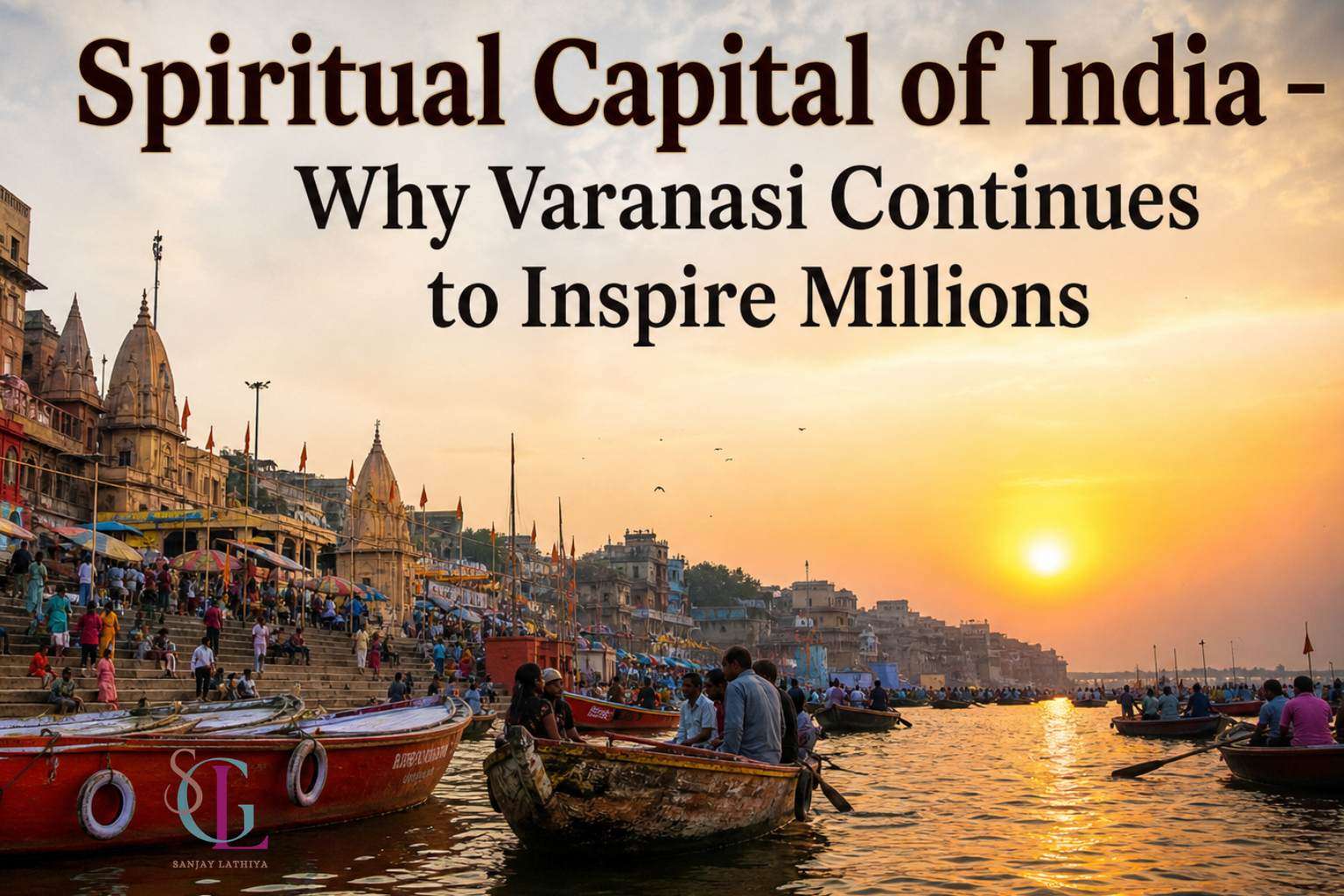
The city’s morning rituals on the ghats are breathtaking. Priests perform prayers while devotees take holy dips in the Ganga River. Boat rides during sunrise reveal a mesmerizing view of ancient architecture mixed with spiritual devotion. These moments create memories that remain with visitors forever.
Banaras is equally famous for its food culture. Kachori sabzi, tamatar chaat, Banarasi paan, lassi, and malaiyyo are local specialties that tourists eagerly explore. The city’s street food culture feels vibrant and authentic, adding another layer to the travel experience.
Tourism experts believe that Varanasi’s ability to preserve its identity while embracing modernization is the reason behind its massive tourism growth. According to tourism data, both domestic and international tourist arrivals increased significantly in recent years due to better infrastructure and heritage-focused development.
Varanasi Riverfront Development
The Varanasi riverfront development project has transformed the city’s ghats into cleaner, safer, and more accessible public spaces. The ghats are the heart of Varanasi because they connect spirituality with everyday life. Pilgrims come here for bathing rituals, cremation ceremonies, meditation, yoga, and evening prayers.
Modern redevelopment projects include better lighting, seating areas, pathways, sanitation facilities, and beautification initiatives. Namo Ghat is one of the most successful examples of riverfront transformation. It now features viewing platforms, murals, cafeterias, and tourism-friendly facilities.
The riverfront is also becoming an important economic driver for the city. Boat tourism, heritage walks, cultural events, and photography tours generate employment for local communities. Visitors now spend more time exploring the ghats because of improved infrastructure and safety measures.
These developments are helping Varanasi compete globally as a spiritual tourism destination while maintaining its sacred atmosphere.
Ghat Redevelopment Projects
The ongoing ghat redevelopment projects in Varanasi are focused on balancing heritage preservation with tourism growth. Several ghats have been renovated to improve accessibility, crowd management, and cleanliness. These projects are part of broader efforts to position Varanasi as a world-class spiritual destination.
Government reports mention redevelopment initiatives for multiple riverfront ghats, including better walkways, improved lighting, and tourist facilities. The idea is to ensure that pilgrims and tourists can comfortably experience the spiritual energy of the city.
At the same time, some locals have raised concerns about excessive commercialization and overdevelopment. Community discussions online reflect fears that modernization should not destroy the authentic soul of Banaras.
Varanasi Smart City Mission
The Varanasi smart city mission is one of India’s most ambitious urban transformation projects. The goal is to improve infrastructure, transportation, sanitation, digital connectivity, public safety, and tourism facilities while protecting the city’s cultural and spiritual identity.
Projects under the Smart City Mission include smart roads, surveillance systems, waste management improvements, traffic control systems, underground electrical infrastructure, and urban beautification programs. Officials believe these upgrades are necessary to manage the rapidly increasing tourist population.
Recent development announcements included infrastructure projects worth over ₹2,200 crore focused on roads, power distribution, tourism facilities, and heritage restoration. These investments are transforming the city into a more organized and tourist-friendly destination.
The smart city initiative is also improving the lives of local residents by reducing traffic congestion and enhancing civic amenities. It shows how traditional cities can evolve with modern technology without completely losing their heritage.
Urban Development in Varanasi
The focus on urban development in Varanasi has accelerated significantly over the past few years. Better roads, airport expansion, flyovers, cruise tourism, and public spaces are helping the city handle increasing tourist footfall.
One major achievement has been improved connectivity. Travelers can now reach Varanasi more easily through upgraded highways, rail networks, and air services. This has played a major role in boosting tourism numbers.
Urban planners are also working on river tourism projects, food courts, pedestrian pathways, and cultural corridors to improve visitor experiences. The integration of tourism with local businesses is creating economic opportunities for artisans, shopkeepers, guides, and hospitality providers.
Despite the progress, challenges remain. Traffic management, overcrowding, and sustainable urban planning are ongoing concerns that authorities need to address carefully.
Varanasi Tourism Infrastructure
The improvement in Varanasi tourism infrastructure has made the city more accessible and comfortable for domestic and international visitors. Hotels, transport systems, airports, cruise services, and digital tourism platforms have all improved dramatically.
Luxury hotels and budget accommodations now cater to different types of travelers. River cruises on the Ganga provide premium experiences for tourists seeking a unique perspective of the city. Heritage walks, spiritual tours, and cultural programs are also gaining popularity.
Tourism experts believe infrastructure improvements are directly responsible for the city’s tourism boom. According to reports, Varanasi witnessed record-breaking tourist arrivals in 2025 due to upgraded facilities and better management systems.
The future of Varanasi tourism looks extremely promising because the city successfully combines spirituality, culture, and modern convenience.
Spiritual Tourism Growth India
The rise of spiritual tourism growth India is changing the travel industry across the country, and Varanasi is leading this transformation. Modern travelers are no longer looking only for luxury vacations; many now seek emotional healing, inner peace, and meaningful experiences.
Varanasi perfectly fits this demand because it offers spirituality in its purest form. Yoga retreats, meditation centers, temple visits, river rituals, and spiritual discourses attract travelers from all age groups. Reports suggest that a large percentage of tourists visiting Varanasi today are young travelers exploring cultural and spiritual experiences.
The city’s popularity on social media platforms has also contributed to tourism growth. Travelers share mesmerizing visuals of sunrise boat rides, evening Ganga Aarti, and colorful ghats, inspiring millions worldwide to visit Banaras.
As spiritual tourism continues to expand globally, Varanasi is expected to remain at the center of this movement for decades to come.
Varanasi Travel Experience
A true Varanasi travel experience is unlike anything else in India. The city awakens every sense at once. You hear temple bells echoing through ancient alleys, smell incense mixed with street food aromas, see glowing lamps floating on the river, and feel an indescribable spiritual vibration in the air.
The best way to explore Varanasi is slowly. Wake up early for a sunrise boat ride, visit the Kashi Vishwanath Temple, explore hidden lanes, taste authentic Banarasi food, and spend evenings watching Ganga Aarti at Dashashwamedh Ghat. Each activity feels deeply immersive and emotionally powerful.
Travelers should also explore nearby attractions like Sarnath, where Lord Buddha delivered his first sermon. This adds another spiritual dimension to the journey.
Whether you are religious or not, Varanasi leaves a lasting impact on your mind and soul. It is one of those rare destinations that stays with you long after you leave.
For personalized travel insights, destination guides, and digital growth resources, visit Sanjay Lathiya.
Heritage City Modernization
The concept of heritage city modernization is clearly visible in Varanasi today. Authorities are trying to create a balance between preserving ancient traditions and introducing modern urban facilities. This is not an easy task because Varanasi is emotionally and spiritually important to millions of people.
Projects like cultural corridors, smart infrastructure, riverfront beautification, and heritage restoration aim to improve tourism without erasing the city’s identity. Cultural sidewalks showcasing Banarasi handicrafts and local art are also being developed to promote heritage tourism.
Modernization has helped improve sanitation, safety, transportation, and tourism services. Yet, experts and locals agree that preserving authenticity should remain the top priority. Banaras cannot become just another commercial tourist city because its soul lies in its timeless traditions and sacred atmosphere.
The future success of Varanasi depends on sustainable development that respects both heritage and modern needs.
Conclusion
Varanasi truly deserves the title of the spiritual capital of India because no other city combines spirituality, culture, heritage, history, and human emotion so beautifully. From sacred ghats and ancient temples to smart city projects and tourism growth, Varanasi represents the perfect blend of tradition and transformation.
The city continues to inspire millions of people searching for faith, peace, and deeper meaning in life. Whether you visit for religious reasons, cultural exploration, photography, food, or personal reflection, Banaras offers an unforgettable experience.
As infrastructure improves and tourism expands, Varanasi is becoming a global spiritual destination while still protecting its timeless identity. That balance between the ancient and the modern is what makes this city extraordinary.
If you are planning your next spiritual journey, Varanasi should be at the top of your list.