

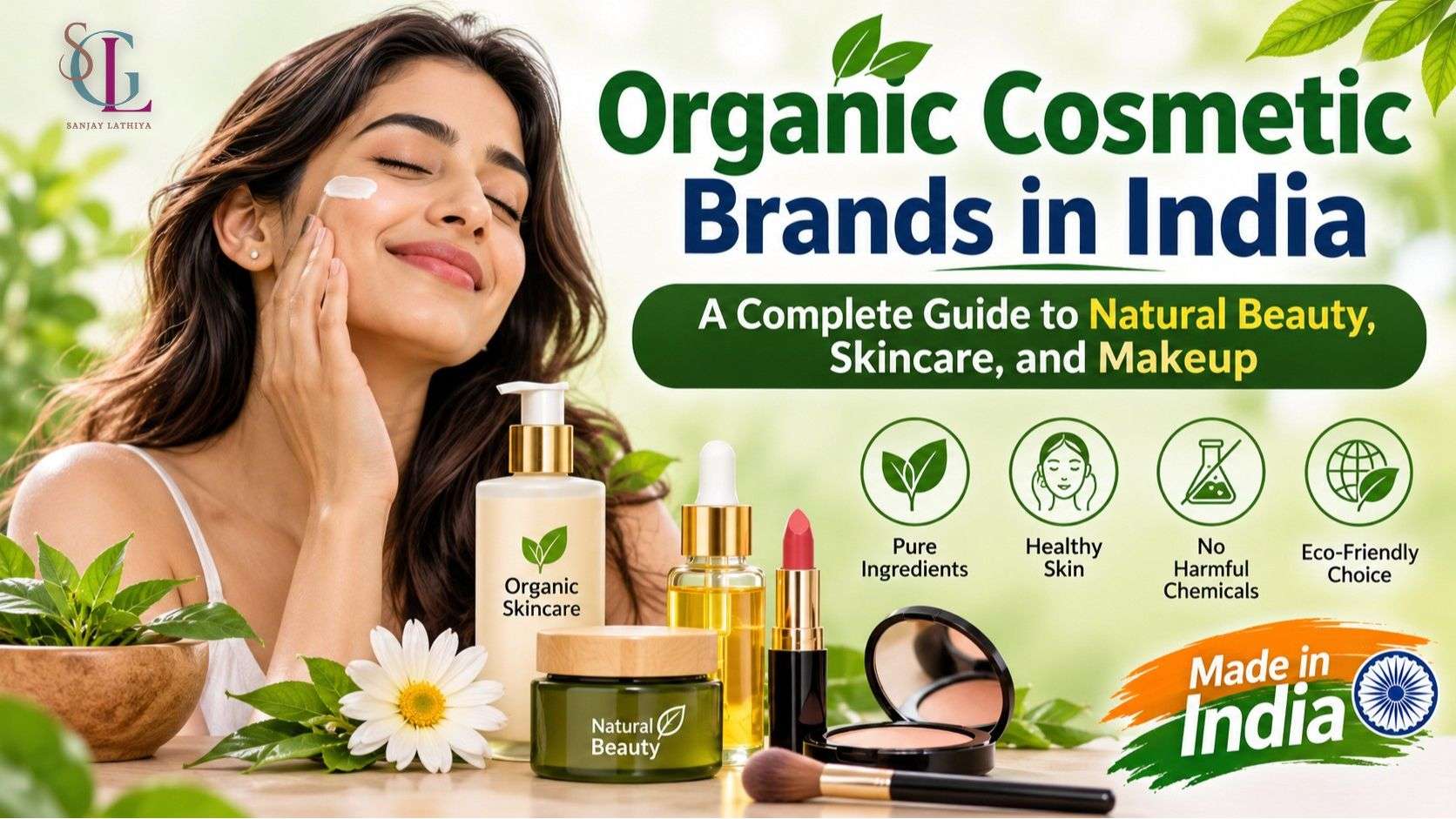
Organic Cosmetic Brands in India: A Complete Guide to Natural Beauty, Skincare, and Makeup
November 03, 2026
The beauty industry in India is evolving as consumers pay more attention to skincare ingredients, product quality, sustainability, and personal care routines. Natural oils, plant extracts, herbal formulations, and responsibly sourced ingredients are becoming popular choices among beauty-conscious customers. This creates opportunities for consumers, retailers, salon owners, and entrepreneurs interested in natural beauty products.
When researching organic cosmetic brands in india, buyers should consider ingredient transparency, product safety, certifications, pricing, and the reputation of manufacturers. Understanding these factors helps consumers make informed purchases while helping businesses identify products that meet their customers' needs.
Understanding Organic Skincare Brands
Organic skincare products are designed to support everyday beauty routines using ingredients that may include certified organic plant oils, botanical extracts, and naturally derived components. Depending on the formulation, these products may include cleansers, moisturizers, face oils, body lotions, and facial masks.
However, natural and organic are not interchangeable terms. A product containing herbal ingredients is not automatically certified organic. Buyers should examine ingredient lists, certification details, manufacturing information, and product claims before purchasing.
For retailers, understanding organic skincare brands is equally important because customers increasingly ask questions about ingredients, skin compatibility, and product performance. Offering transparent product information can help businesses build trust and encourage repeat purchases.
How to Choose Organic Skincare Brands for Different Needs
Choosing suitable skincare products requires more than reading attractive packaging. Customers should identify their skin type, understand their concerns, and review the product's complete ingredient list before making a decision.
For example, aloe vera-based moisturizers may appeal to customers seeking lightweight hydration, while plant-oil formulations may suit people looking for richer moisturizers. Nevertheless, individual reactions vary, and natural ingredients can also cause allergies or irritation.
Retailers should stock products across different price categories and skin-care needs rather than assuming that one formulation works for everyone. Providing accurate descriptions, usage instructions, and patch-testing recommendations can improve the shopping experience.
Businesses exploring organic skincare brands should also compare packaging quality, shelf life, minimum order quantities, and supplier reliability. These factors affect inventory management, customer satisfaction, and profitability.
What to Check When Buying Certified Organic Cosmetic Brands
Certification can help buyers distinguish independently verified products from products marketed primarily through natural-sounding claims. Before selecting certified organic cosmetic brands, check whether the certification applies to the finished product, individual ingredients, or manufacturing process.
For example, the international COSMOS organic and natural cosmetics certification standard explains the requirements associated with its COSMOS ORGANIC and COSMOS NATURAL designations. These designations have different criteria, so buyers should understand what a label actually confirms.
Other important checks include the manufacturer's identity, batch details, expiry date, storage instructions, and ingredient declaration. Avoid assuming that terms such as chemical-free, toxin-free, or completely safe guarantee product quality. All cosmetic formulations require appropriate safety and quality controls.
Indian buyers should also understand applicable cosmetic regulations. The Indian cosmetics regulations and manufacturing requirements provide official information about regulatory responsibilities and product compliance. Businesses should verify the requirements relevant to their specific products and activities.
How to Identify Safe Makeup Brands in India
Makeup products are applied to different parts of the body, including the face, lips, and areas around the eyes. Therefore, formulation quality, appropriate testing, clear labelling, and hygienic manufacturing are important considerations.
When comparing safe makeup brands in india, look for complete ingredient information, suitable usage instructions, manufacturing details, and evidence supporting any safety or performance claims. Check whether a product is appropriate for its intended use and whether its packaging remains intact.
Natural makeup products may contain botanical extracts, plant oils, mineral pigments, or other ingredients. However, natural ingredients do not automatically make a product safer than a conventional alternative.
Retailers should purchase makeup from reliable suppliers and maintain proper storage conditions. They should also avoid selling expired products or making unsupported medical claims about cosmetic benefits.
A carefully selected range of foundations, lip products, kajal, blush, and other makeup essentials can help retailers serve different customer preferences while maintaining a focus on quality.
Organic Beauty Products Manufacturers in India
India offers opportunities for businesses interested in developing and selling skincare, haircare, personal care, and makeup products. Entrepreneurs can explore contract manufacturing, private labelling, or establishing their own manufacturing operations.
When evaluating Organic Beauty Products Manufacturers in India, examine their production capabilities, ingredient sourcing practices, quality-control procedures, documentation, and ability to manufacture the required formulations.
Ask potential manufacturers whether they offer ready-made formulations or customized products. Also confirm minimum order quantities, sample availability, packaging options, lead times, and arrangements for product testing.
A private-label arrangement can allow a business to sell cosmetics under its own brand without operating a complete manufacturing facility. However, the business must establish clear responsibilities for product quality, labelling, regulatory compliance, and customer complaints.
Before committing to a large order, request samples, compare quotations, and review the manufacturer's documentation. Any organic certification claim should be verified for the relevant product and scope.
Organic Cosmetics Wholesale Suppliers in India
Wholesale purchasing can help retailers, salon owners, beauty stores, and online sellers source products at commercially viable prices. However, the lowest quotation is not always the best option.
When comparing Organic Cosmetics Wholesale Suppliers in India, evaluate the supplier's reputation, product authenticity, available inventory, shipping arrangements, return policies, and documentation. Ask for a wholesale catalogue and confirm whether the quoted prices include applicable taxes, packaging, and delivery charges.
Small businesses can begin with a limited selection of products to understand customer demand before expanding their inventory. Popular categories may include facial cleansers, moisturizers, body lotions, hair oils, shampoos, lip balms, and selected makeup products.
For online sellers, high-quality product photographs, clear descriptions, accurate ingredient information, and transparent delivery policies can help improve conversion rates. Wholesale buyers should also calculate their total landed cost rather than comparing product prices alone.
Entrepreneurs looking for additional business and product-related information can explore Sanjay Lathiya's website as a starting point for further research.
How to Start an Organic Cosmetics Business: Raw Materials, Costs, and Selling Products
Starting a natural cosmetics business requires careful planning, reliable sourcing, product development, and a realistic financial strategy. Entrepreneurs should decide whether they want to manufacture products, hire a contract manufacturer, or purchase finished goods for resale.
1. Research the market: Identify your target customers, competitors, preferred price range, and product categories. Study whether your audience is more interested in skincare, herbal haircare, natural makeup, or premium personal care.
2. Source suitable raw materials: Depending on the formulation, ingredients may include aloe vera, plant oils, botanical extracts, suitable emulsifiers, preservatives, fragrances, and other approved cosmetic ingredients. Purchase from reputable suppliers and request specifications, certificates, and relevant quality documentation.
3. Develop and test the formulation: Work with a qualified cosmetic formulator or manufacturer to develop a stable, safe product. Do not assume that mixing natural ingredients at home produces a commercially safe cosmetic. Appropriate microbial testing, stability assessment, and other safety checks may be necessary.
4. Calculate product costs: Your budget may include raw materials, formulation development, testing, manufacturing, packaging, labelling, labour, certification where applicable, storage, shipping, and marketing. Costs vary considerably by formulation, production volume, packaging, and manufacturer, so obtain quotations instead of relying on a universal price estimate.
5. Check compliance: Before manufacturing or selling products, verify the applicable licences, labelling rules, quality requirements, and responsibilities under Indian cosmetic regulations. Organic certification, where claimed, should be assessed separately from general cosmetic regulatory compliance.
6. Set a profitable selling price: Calculate the complete cost per unit, then account for marketplace commissions, shipping, promotional discounts, returns, taxes, and your desired margin. For example, if the total cost of one finished product is ₹120 and you sell it for ₹200, the difference is ₹80 before any additional expenses not included in the original cost.
7. Launch and promote your products: Start with a manageable product range, build a professional website or marketplace presence, and use clear product descriptions and authentic customer feedback. Wholesale distribution, social media, salon partnerships, and direct online sales can provide different routes to market.
By following these steps, entrepreneurs can build a more informed purchasing or business strategy around organic cosmetic brands in india while prioritizing product quality, customer trust, and sustainable financial planning.
Conclusion
The growing interest in natural beauty creates opportunities for consumers, retailers, and entrepreneurs. Successful product selection depends on transparent ingredients, credible certification claims, suitable formulations, and reliable suppliers rather than marketing language alone.
Whether you are purchasing personal care products or planning a cosmetics business, compare manufacturers, calculate the full cost of ownership, and verify applicable regulatory requirements. With careful research and a customer-focused approach, you can make better decisions about sourcing, pricing, and selling natural beauty products.