

Influencer Marketing India – How Indian Brands Are Winning Through Creators
May 19, 2026
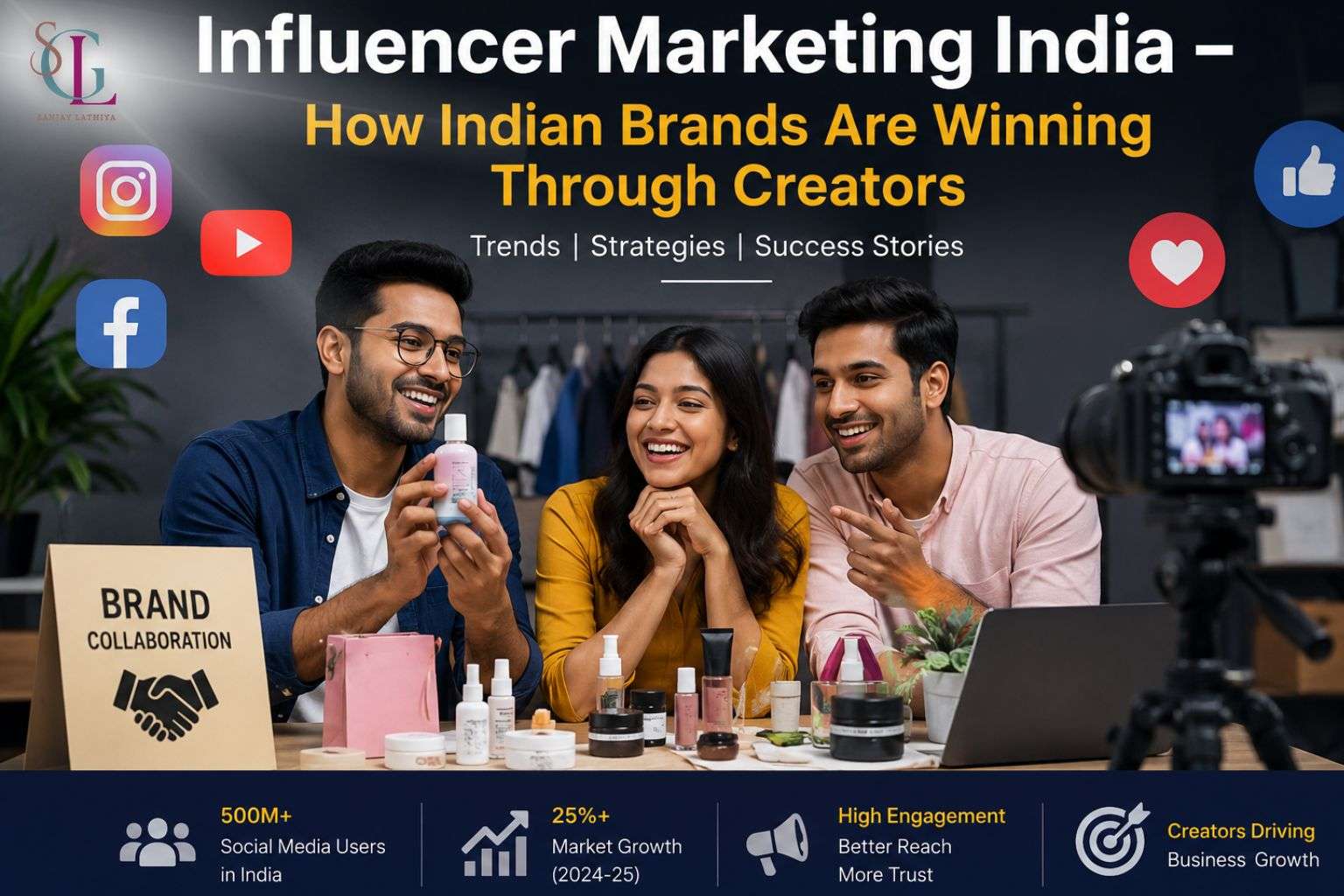
The digital economy in India is exploding like never before. Over the last few years, brands have shifted from traditional advertisements toward creator-led promotions because audiences trust real people more than polished commercials. This change has completely transformed influencer marketing india into one of the fastest-growing industries in the country. From fashion startups in Surat to tech brands in Bangalore, businesses are now collaborating with creators to build awareness, trust, and sales. According to recent industry reports, India’s influencer marketing market is expected to grow by nearly 25% in 2025, crossing thousands of crores in value.
Think about how people shop today. Before buying clothes, smartphones, beauty products, or even courses, users check Instagram Reels, YouTube reviews, or influencer recommendations. That simple behavioral shift has changed digital marketing forever. Indian consumers now spend several hours daily on social media platforms, especially YouTube and Instagram. Affordable internet plans and low-cost smartphones have made social media accessible to millions in Tier 2 and Tier 3 cities.
Another major reason for this growth is authenticity. Audiences no longer want robotic advertising. They want relatable creators speaking their language and sharing genuine experiences. Regional creators from Gujarat, Maharashtra, Tamil Nadu, and Punjab are becoming highly influential because they connect emotionally with local audiences. This emotional trust creates better engagement and higher conversions for brands. Businesses now realize that a creator with 50,000 loyal followers often performs better than a celebrity with millions of passive viewers.
If you want to grow your business online, this is the perfect time to invest in creator collaborations. Platforms like Sanjay Lathiya Official Website can help businesses understand digital visibility, SEO, and online brand positioning in today’s creator-driven market.
Influencer Marketing India Examples
When people hear the phrase influencer marketing india examples, they often imagine celebrities promoting luxury brands. But the real power of influencer marketing lies in everyday creators. Small fashion boutiques, saree wholesalers, skincare startups, food brands, and gadget stores are all using creators to attract buyers. A simple Instagram Reel showing a product demonstration can generate thousands of views within hours. That kind of exposure would cost a fortune through traditional television advertising.
One of the best examples comes from Indian fashion businesses. Clothing brands regularly partner with lifestyle influencers to showcase styling ideas, festive collections, and seasonal trends. Instead of directly saying “buy this product,” creators show how the product fits naturally into daily life. This storytelling approach feels less like advertising and more like a recommendation from a friend. That emotional connection increases customer trust dramatically.
The smartphone industry is another perfect example. Tech influencers on YouTube create unboxing videos, camera tests, gaming reviews, and battery comparisons. These videos influence purchase decisions for millions of Indian users every month. In fact, India now has one of the world’s largest smartphone audiences, making influencer collaborations extremely powerful for technology companies.
Food delivery apps, fintech startups, and beauty brands are also leveraging creators heavily. Many companies use micro-influencers because they provide better engagement rates and stronger audience relationships. Unlike celebrities, smaller influencers interact personally with followers through comments, DMs, and community polls. This creates loyalty that traditional ads cannot replicate.
For businesses wanting long-term online growth, combining influencer collaborations with SEO strategies is becoming essential. Resources from Semrush help brands analyze keyword trends, competitor performance, and audience behavior to improve campaign effectiveness.
Influencer Marketing India Statistics
Understanding influencer marketing india statistics helps brands make smarter business decisions. Data shows that influencer-driven campaigns now deliver higher engagement than many traditional advertising channels. Industry reports reveal that India’s influencer market could reach nearly Rs 5,000 crore by 2027 as the creator economy becomes more organized and professional.
The numbers behind India’s digital audience are even more impressive. India has over 800 million internet users and nearly 500 million social media users. Platforms like Instagram, YouTube, WhatsApp, and Facebook dominate the digital ecosystem. Instagram alone reportedly has over 400 million active users in India, making it one of the largest markets globally.
Another interesting trend is consumer trust. Reports suggest that nearly 69% of Indian consumers rely on influencers for information and product recommendations. More than 63% discover new products through creators online. This means influencer content is no longer optional for businesses. It has become an essential part of customer acquisition strategies.
Brands are also increasing their budgets for long-term creator partnerships instead of one-time promotions. Companies now focus more on engagement quality rather than follower count. Micro and niche creators are especially valuable in categories like technology, fitness, beauty, finance, and education. These influencers often have smaller but highly loyal communities that convert better into paying customers.
The creator economy is also creating new career opportunities for young Indians. Thousands of people now earn income through content creation, affiliate marketing, sponsorships, and brand collaborations. While only top creators achieve massive financial success, the industry continues expanding rapidly. This growth proves that digital influence has become a major economic force in modern India.
Smartphone Usage in India
The rise of social media and digital creators would not have been possible without massive growth in smartphone usage in india. Smartphones have become the heartbeat of India’s internet revolution. From villages to metropolitan cities, mobile devices are now the primary way people access social media, shopping apps, entertainment platforms, and online education.
Recent reports indicate that more than 85% of Indian households own at least one smartphone. India also has hundreds of millions of active mobile internet users, making it one of the largest smartphone markets globally. Cheap Android devices and affordable data plans have played a huge role in this digital expansion. Today, even small-town users can watch YouTube videos, create Instagram Reels, and participate in digital commerce effortlessly.
This increase in mobile connectivity directly supports influencer marketing campaigns. Most users consume content vertically through mobile apps, especially short-form videos. Instagram Reels, YouTube Shorts, and Snapchat Spotlight have changed how audiences engage with brands. Short, entertaining, mobile-friendly content performs better than long traditional advertisements because people consume information quickly while scrolling.
The relationship between smartphones and digital marketing is incredibly powerful. Businesses now design campaigns specifically for mobile users because that is where the audience spends the majority of their time. From online shopping to payment apps and food delivery platforms, smartphone-driven behavior shapes consumer decisions every day.
The rapid rise of mobile internet has also enabled regional creators to thrive. A Gujarati food blogger, a Punjabi comedian, or a Tamil tech reviewer can now build nationwide audiences directly from their smartphones. That accessibility is transforming India into one of the world’s most dynamic creator economies.
Impact of Social Media on Indian Youth
The impact of social media on Indian youth is impossible to ignore. Social platforms have become digital classrooms, entertainment hubs, career launchpads, and shopping malls all rolled into one. Young Indians today spend hours consuming content, engaging with creators, and discovering trends online. This has completely changed how the younger generation communicates, shops, and even dreams about future careers.
Content creation is now seen as a legitimate profession. Teenagers and college students aspire to become YouTubers, Instagram influencers, podcasters, and streamers. They no longer depend solely on traditional jobs for income opportunities. Influencer culture has created an entirely new digital ecosystem where creativity can generate money, fame, and personal branding opportunities.
Social media has also influenced consumer behavior heavily. Young audiences trust influencer reviews more than traditional advertisements because they feel relatable and authentic. Whether it is skincare, gaming accessories, fashion products, or smartphones, influencer opinions directly impact purchasing decisions. This is why businesses targeting Gen Z consumers focus aggressively on creator collaborations.
At the same time, there are concerns about mental health, comparison culture, and screen addiction. Constant exposure to idealized lifestyles can create pressure among young users. Viral trends often influence behavior rapidly, sometimes positively and sometimes negatively. Responsible content creation and digital awareness are becoming increasingly important in this fast-paced environment.
Despite these challenges, social media continues opening doors for education, entrepreneurship, and networking. Young creators can build communities, launch businesses, and gain recognition faster than ever before. When used wisely, digital platforms can empower Indian youth with opportunities that previous generations never had access to.
Role of Social Media in Modern Indian Lifestyle
The role of social media in modern Indian lifestyle has become deeply integrated into daily routines. People wake up checking WhatsApp messages, scroll Instagram during lunch breaks, watch YouTube before sleeping, and shop online based on influencer recommendations. Social media is no longer just entertainment; it shapes culture, fashion, communication, and commerce across the country.
Families now discover restaurants through food bloggers, purchase clothing after watching haul videos, and plan vacations based on travel creators’ recommendations. Businesses use social media not only for marketing but also for customer support, product launches, and brand storytelling. Even local businesses like saree wholesalers, jewelry stores, and home decor brands can now reach nationwide audiences without expensive advertising budgets.
Digital platforms have also transformed entertainment consumption. Traditional television viewership among younger audiences is declining while OTT platforms, short videos, and creator content continue rising. India now has hundreds of millions of OTT users and some of the world’s highest social media engagement levels. This shift gives creators tremendous power to influence trends and purchasing decisions.
Social commerce is another rapidly growing trend. Many users now buy products directly through Instagram Shops, influencer links, and live selling sessions. Creators act like digital salespeople who build trust and drive conversions naturally. This blend of entertainment and commerce is changing how businesses operate online.
For brands aiming to stay relevant, adapting to creator-driven digital culture is no longer optional. Social media visibility now directly impacts business credibility, customer trust, and long-term growth potential.
Positive and Negative Effects of Social Media in India
The discussion around positive and negative effects of social media in India is becoming increasingly important as digital adoption continues growing rapidly. On the positive side, social media has democratized opportunities. Small businesses can now compete with large corporations through creative content and influencer collaborations. A local fashion seller can go viral overnight and attract customers from across India.
Educational content has also become more accessible. Students learn coding from YouTube, entrepreneurs gain marketing knowledge from Instagram creators, and professionals network through LinkedIn communities. Social media provides instant access to information, inspiration, and global trends. During emergencies and social movements, digital platforms also help spread awareness quickly.
Businesses benefit enormously from digital engagement. Influencer marketing campaigns often deliver higher returns compared to traditional advertising because creators communicate more authentically. Customers trust recommendations from relatable personalities more than scripted commercials. This trust directly improves conversions and brand loyalty.
However, excessive social media use also creates challenges. Addiction, misinformation, unrealistic beauty standards, and online trolling are growing concerns. Young users often compare themselves to filtered lifestyles that do not reflect reality. Mental health experts warn that excessive screen time can affect productivity, confidence, and emotional wellbeing.
Fake influencers and dishonest promotions are another issue. Some creators purchase fake followers or promote low-quality products purely for money. That is why businesses must carefully choose trustworthy influencers who align with their brand values. Transparency, authenticity, and responsible content creation are becoming essential for sustainable growth in India’s creator economy.
How Businesses Can Start Influencer Campaigns
Starting an influencer campaign may sound complicated, but it becomes much easier with the right strategy. The first step is understanding your audience clearly. A beauty brand targeting college students will need very different creators compared to a B2B software company targeting professionals. The key is matching your product with influencers whose audience naturally aligns with your business goals.
Businesses should focus more on engagement quality than follower count. A creator with 20,000 highly engaged followers can outperform a celebrity influencer with millions of inactive viewers. Look for influencers who create authentic conversations, reply to comments, and maintain trust with their audience.
Campaign planning is equally important. Brands should define clear objectives such as website traffic, sales, awareness, or lead generation. Once goals are clear, businesses can measure campaign performance more effectively. Metrics like engagement rate, click-through rate, and conversion rate help determine whether collaborations are successful.
Long-term partnerships often work better than one-time promotions. When creators repeatedly use and recommend a product, audiences perceive the endorsement as genuine. This consistency builds trust and increases purchasing confidence among followers.
SEO also plays a major role in digital visibility. Brands combining influencer campaigns with optimized blog content, backlinks, and keyword strategies achieve stronger long-term rankings on Google. This integrated approach helps businesses build authority while increasing organic traffic.
Conclusion
India’s digital landscape is evolving at lightning speed, and creators are now shaping consumer decisions more than traditional advertisements ever could. From fashion and beauty to finance and technology, influencer-driven marketing is becoming the backbone of modern online branding. Affordable smartphones, cheap internet access, and massive social media adoption have created enormous opportunities for businesses willing to embrace digital storytelling.
The growth of creators, regional content, and mobile-first audiences proves that influencer marketing is not a temporary trend. It is the future of communication, commerce, and brand trust in India. Businesses that adapt early will build stronger customer relationships and dominate online visibility in the years ahead.
Whether you are a startup, retailer, wholesaler, or personal brand, investing in influencer collaborations alongside strong SEO strategies can transform your digital presence dramatically. The brands winning today are not the loudest advertisers; they are the ones building authentic relationships with their audience.
FAQs
1. What is influencer marketing in India?
Influencer marketing in India is a digital marketing strategy where brands collaborate with creators on platforms like Instagram, YouTube, and Facebook to promote products or services.
2. Why is influencer marketing growing rapidly in India?
Affordable internet, smartphone adoption, and increasing social media usage are driving rapid growth in India’s influencer marketing industry.
3. Which platform is best for influencer marketing in India?
Instagram and YouTube are currently the most effective platforms because of their massive Indian user base and high engagement levels.
4. Do micro-influencers perform better than celebrities?
In many cases, yes. Micro-influencers often have stronger engagement and more loyal audiences compared to celebrity influencers.
5. How can small businesses start influencer marketing?
Small businesses can begin by partnering with local or niche creators, setting clear goals, and combining influencer promotions with SEO-friendly content strategies.