
India s Startup Story 2026: छोटे शहरों से निकल रहे नए Entrepreneurs
October 13, 2026
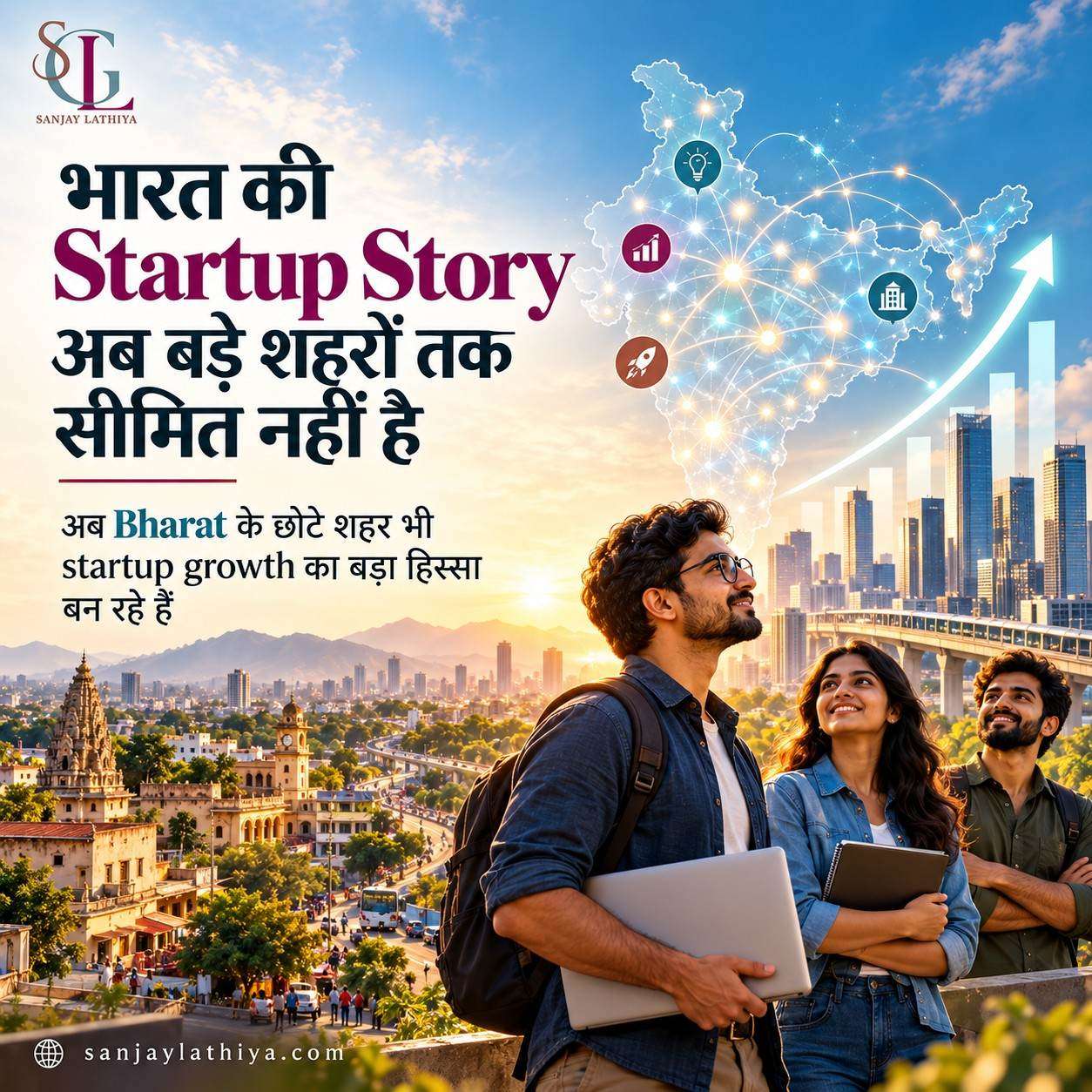
भारत की Startup Story अब बड़े शहरों तक सीमित नहीं है
कुछ साल पहले भारत में “Startup” शब्द सुनते ही Bengaluru, Mumbai, Delhi-NCR या Hyderabad जैसे शहरों का नाम दिमाग में आता था।
लेकिन 2026 का भारत अलग कहानी लिख रहा है।
आज Surat, Indore, Jaipur, Coimbatore, Rajkot, Lucknow, Ranchi, Patna, Nagpur, Bhubaneswar, Kochi जैसे शहरों से entrepreneurs technology, manufacturing, e-commerce, agriculture, logistics, D2C, fintech और local services में नए businesses खड़े कर रहे हैं।
Startup India की 2026 ecosystem report यह संकेत देती है कि recognised startups का बहुत बड़ा हिस्सा अब Tier-II और Tier-III cities से आ रहा है। Government report में यह share 50% से अधिक बताया गया है।
इसका मतलब साफ है:
भारत का अगला entrepreneurial growth phase केवल metros से नहीं, बल्कि “Bharat” से भी आएगा।
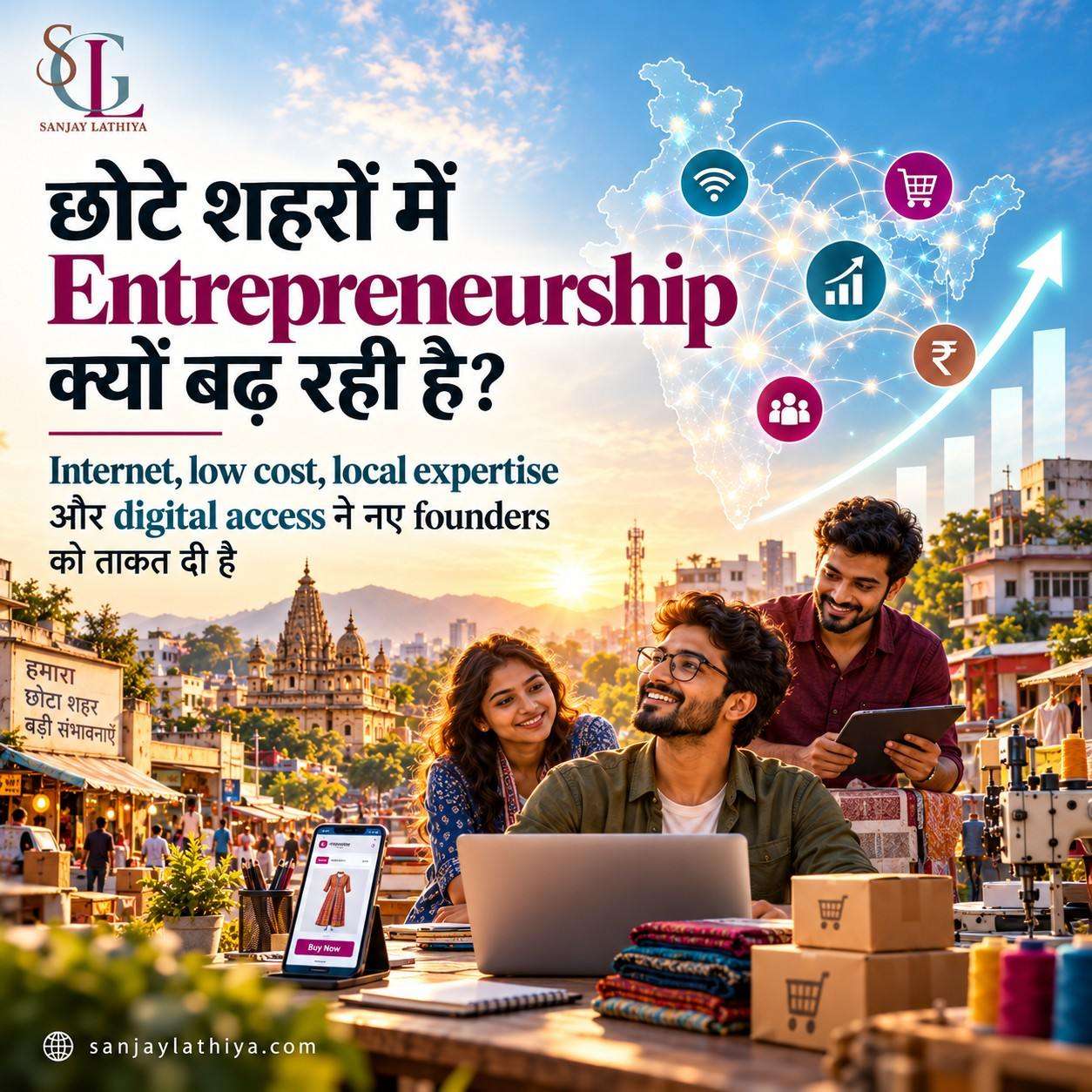
छोटे शहरों में Entrepreneurship क्यों बढ़ रही है?
इसके पीछे केवल सरकारी schemes नहीं, बल्कि भारत की economic structure में आया बदलाव है।
1. Internet ने Location Advantage कम कर दिया
पहले business शुरू करने के लिए बड़ी market के पास होना जरूरी माना जाता था।
आज एक entrepreneur Surat में बैठकर California के buyer से बात कर सकता है, Jaipur का manufacturer पूरे India में Instagram से products बेच सकता है और Indore की software company international clients के लिए काम कर सकती है।
UPI, digital payments, affordable internet, smartphones, cloud software और online marketplaces ने छोटे शहर के entrepreneur की market कई गुना बड़ी कर दी है।
2. छोटे शहरों की अपनी Competitive Advantage है
Metro cities में ecosystem मजबूत है, लेकिन cost भी अधिक है।
Office rent, salaries, employee retention और living expenses founder की शुरुआती capital का बड़ा हिस्सा खा सकते हैं।
इसके विपरीत Tier-2 और Tier-3 cities में कई businesses comparatively lower operating cost पर शुरू किए जा सकते हैं।
इसके साथ छोटे शहरों की एक और strength है—local industry knowledge।
Surat का entrepreneur textile और diamond business को ground level पर समझता है।
Rajkot का entrepreneur engineering और manufacturing समझता है।
Morbi में ceramics की ecosystem knowledge है।
Jaipur में textiles, handicrafts और jewellery की strong base है।
यही local experience जब technology और digital distribution के साथ जुड़ता है, तो नए प्रकार के scalable businesses बन सकते हैं।
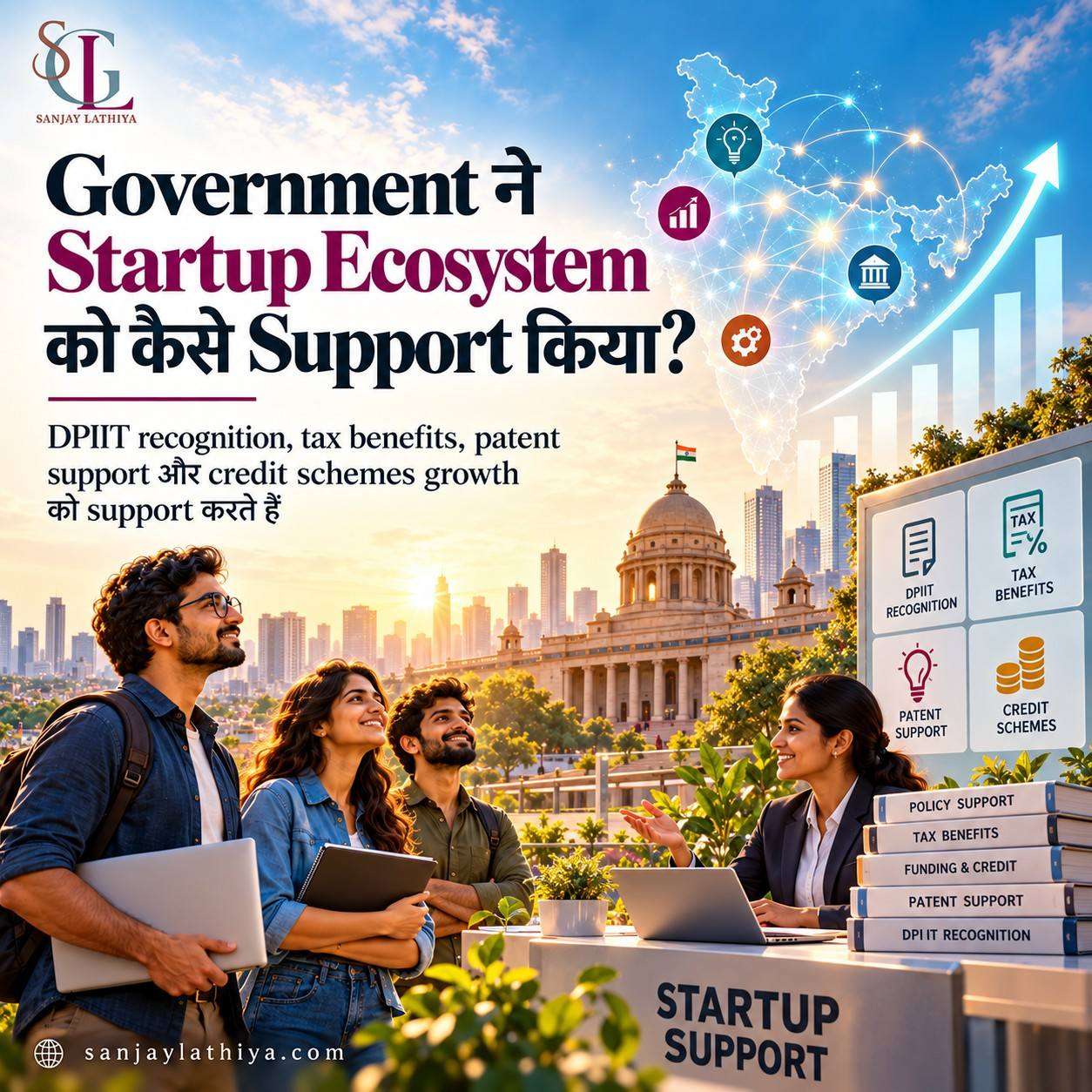
Government ने Startup Ecosystem को कैसे Support किया?
भारत सरकार की Startup India initiative ने entrepreneurship के लिए recognition, compliance support, intellectual property assistance, funding ecosystem और procurement opportunities जैसी सुविधाओं का framework तैयार किया है।
लेकिन यहां एक बात समझना जरूरी है:
सरकारी scheme business को सफल नहीं बनाती। वह सही startup के लिए barriers कम कर सकती है।
DPIIT Startup Recognition
Eligible companies Startup India framework के तहत DPIIT recognition के लिए आवेदन कर सकती हैं।
Recognised startups को eligibility और applicable conditions के आधार पर self-certification, intellectual property support, certain tax incentives और public procurement में relaxations जैसे benefits मिल सकते हैं।
हर नया business automatically Startup India benefits के लिए eligible नहीं होता। Business को prescribed startup criteria और innovation/scalability requirements पूरी करनी होती हैं।
Income Tax Benefit – Section 80-IAC
Eligible DPIIT-recognised startups के लिए Section 80-IAC एक महत्वपूर्ण benefit हो सकता है।
Applicable eligibility और approval conditions पूरी होने पर qualified startups incorporation के शुरुआती 10 वर्षों के भीतर लगातार 3 financial years के लिए profits पर 100% deduction claim कर सकते हैं।
लेकिन इसे यह समझना गलत होगा कि हर startup को automatically तीन साल income tax नहीं देना पड़ता।
Recognition, entity structure, incorporation date, turnover, innovation criteria और required certification जैसी conditions लागू होती हैं।
यानी entrepreneur को scheme headline पढ़ने के बजाय eligibility समझनी चाहिए।
Patent और Intellectual Property Support
Innovative products बनाने वाले startups के लिए Intellectual Property बहुत महत्वपूर्ण है।
Startup India framework eligible startups को patent applications fast-track करने और filing assistance जैसी सुविधाएं देता है। Government platform patent filing fees में substantial rebate की भी जानकारी देता है।
Technology और manufacturing startups के लिए यह खास तौर पर उपयोगी हो सकता है क्योंकि innovation की वास्तविक value तभी सुरक्षित होती है जब business अपने IP को protect कर पाए।
Credit Guarantee Scheme for Startups
Startup की सबसे बड़ी problems में से एक है—capital।
2026 में Credit Guarantee Scheme for Startups के revised framework में eligible DPIIT-recognised startups के debt पर guarantee coverage की maximum eligible amount ₹20 crore प्रति borrower तक है।
यह सीधे government से free loan नहीं है।
Banks, eligible NBFCs और participating financial institutions startup का business evaluate करते हैं और qualifying lending पर scheme के माध्यम से guarantee mechanism उपलब्ध हो सकता है।
यह difference समझना बहुत जरूरी है:
Government guarantee ≠ guaranteed loan approval.
Business model, repayment ability और lender assessment अभी भी महत्वपूर्ण रहते हैं।
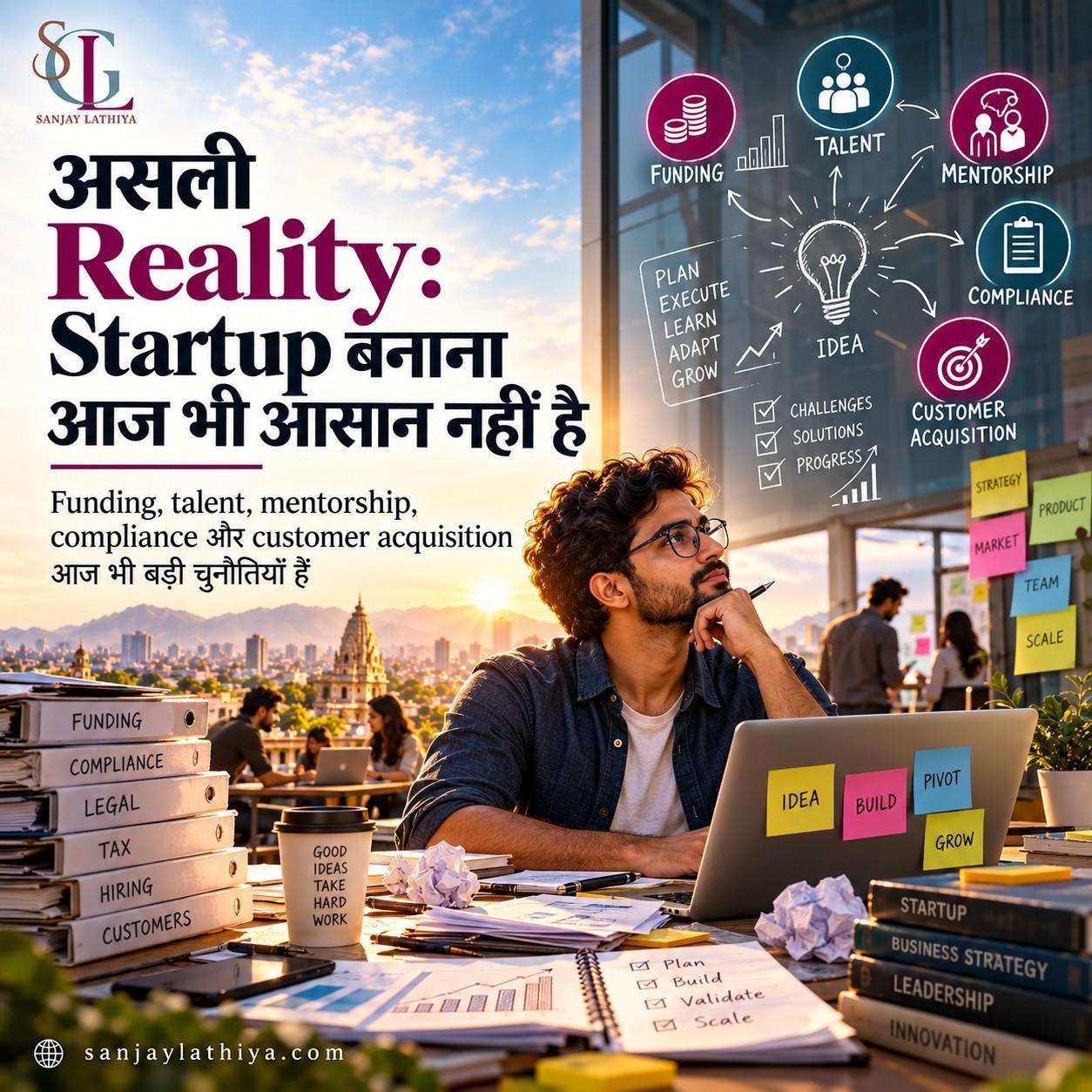
असली Reality: Startup बनाना आज भी आसान नहीं है
भारत में startup ecosystem बड़ा हुआ है, लेकिन इससे entrepreneurship risk-free नहीं हो गई।
आज भी छोटे शहर के founder को कई practical challenges मिलते हैं:
-
Skilled talent की कमी
-
Professional mentorship की कमी
-
Investor network तक limited access
-
Working capital pressure
-
Customer acquisition cost
-
Technology adoption
-
Compliance और taxation की complexity
-
Founder की business-management skills
Government reports छोटे शहरों से entrepreneurship के strong growth को दिखाती हैं, लेकिन investment access अभी सभी locations में बराबर नहीं है।
इसलिए सिर्फ “idea” या “funding” startup की success तय नहीं करते।
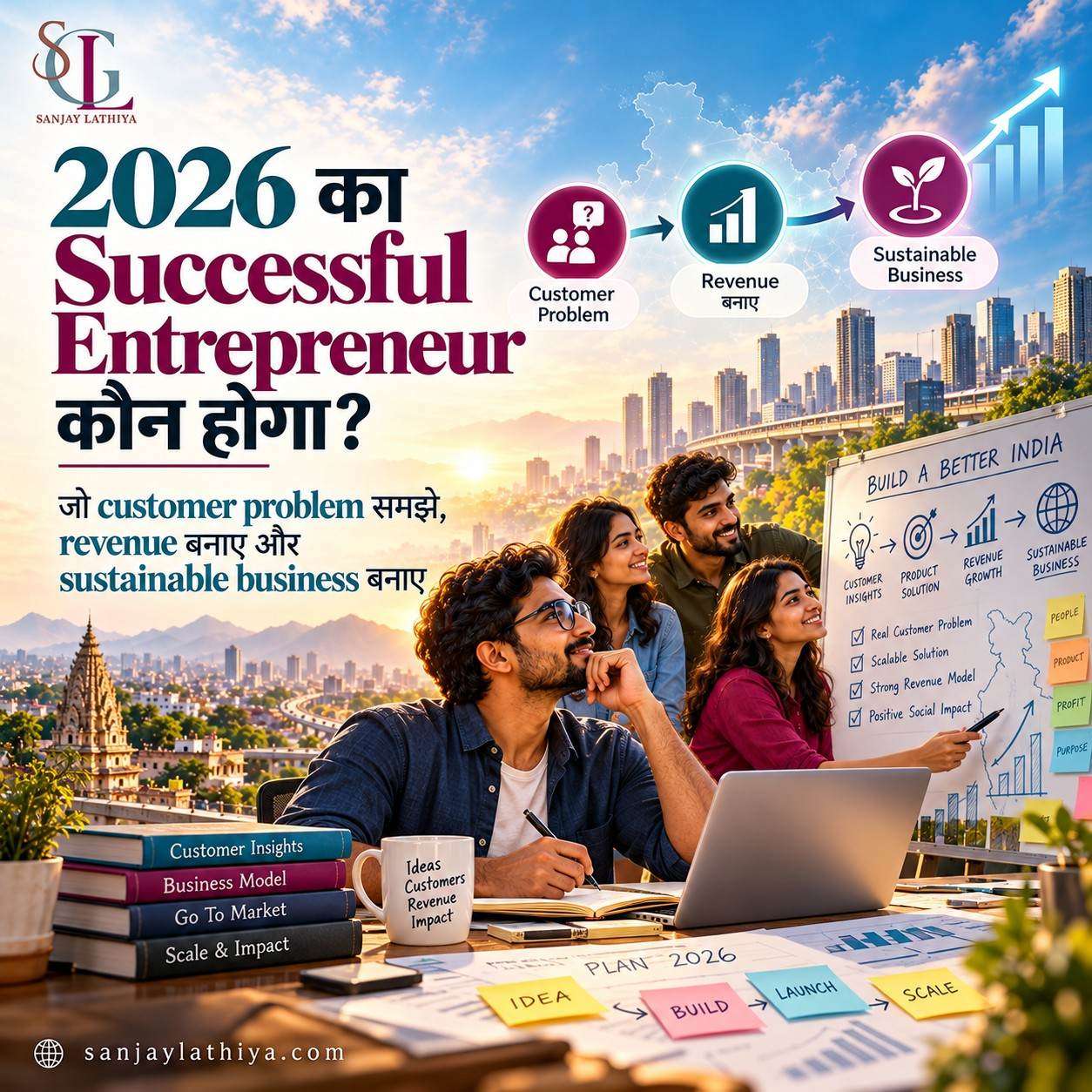
2026 का Successful Entrepreneur कौन होगा?
मेरी नज़र में आने वाले वर्षों में वही entrepreneur आगे जाएगा जो पहले funding नहीं, बल्कि customer problem ढूंढेगा।
एक practical startup journey कुछ ऐसी हो सकती है:
Problem → Customer → Solution → Revenue → Process → Team → Scale
आज social media पर startup success stories बहुत दिखती हैं, लेकिन entrepreneurship की वास्तविकता balance sheet में दिखाई देती है।
Business का असली सवाल यह नहीं होना चाहिए:
“हमारी valuation कितनी है?”
पहला सवाल होना चाहिए:
“क्या customer हमारे product या service के लिए बार-बार पैसा देने को तैयार है?”
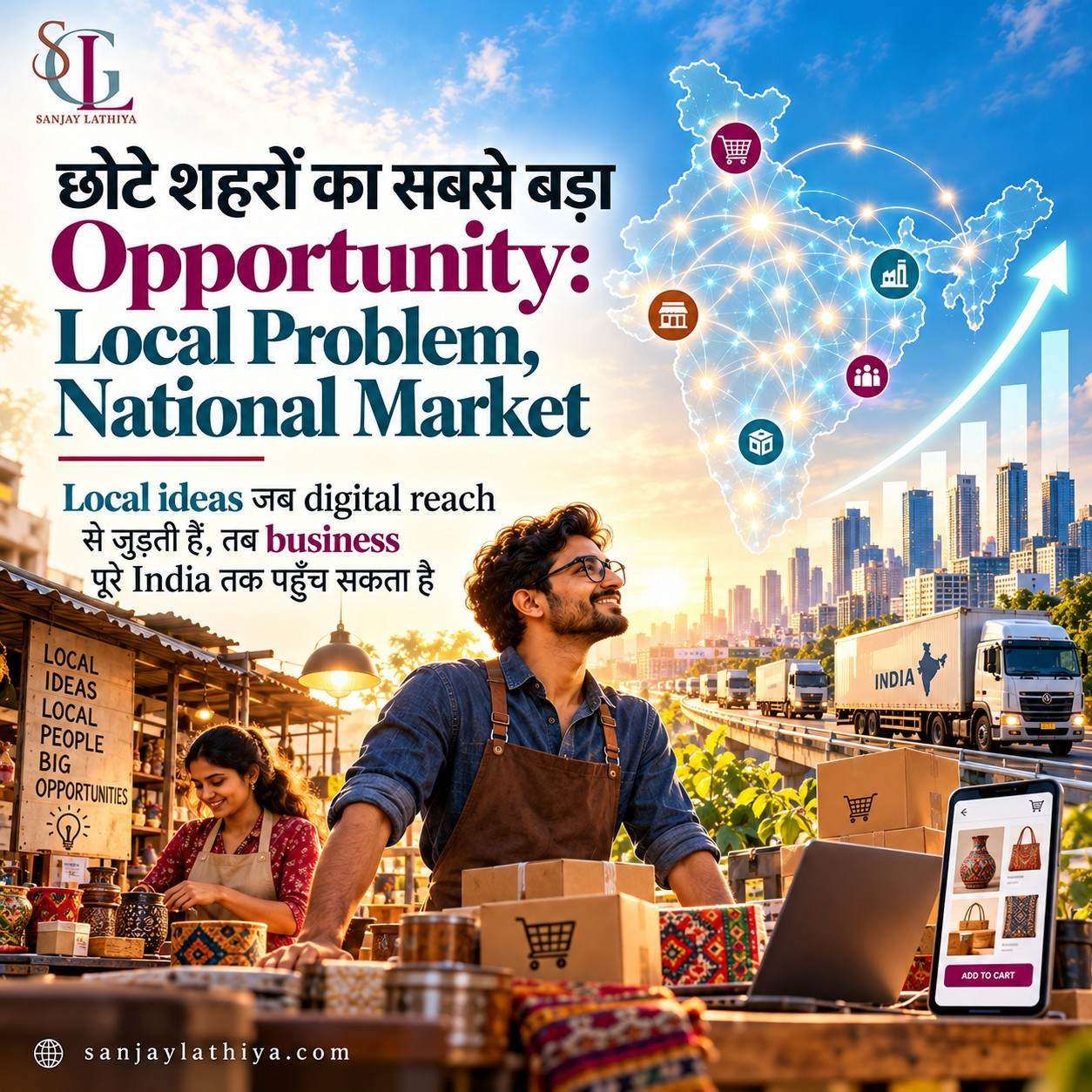
छोटे शहरों का सबसे बड़ा Opportunity: Local Problem, National Market
भारत के छोटे शहरों में लाखों ऐसी problems हैं जिन्हें बड़े startup founders शायद ground level पर समझ ही नहीं पाते।
Agriculture supply chain, regional retail, textile sourcing, logistics, education, healthcare access, manufacturing technology, local-language services और MSME digitisation जैसे क्षेत्रों में enormous opportunities मौजूद हैं।
एक entrepreneur यदि अपने शहर की वास्तविक problem का scalable solution बनाता है, तो उसका business local से national और national से global बन सकता है।
यही शायद India Startup Story का अगला chapter होगा।
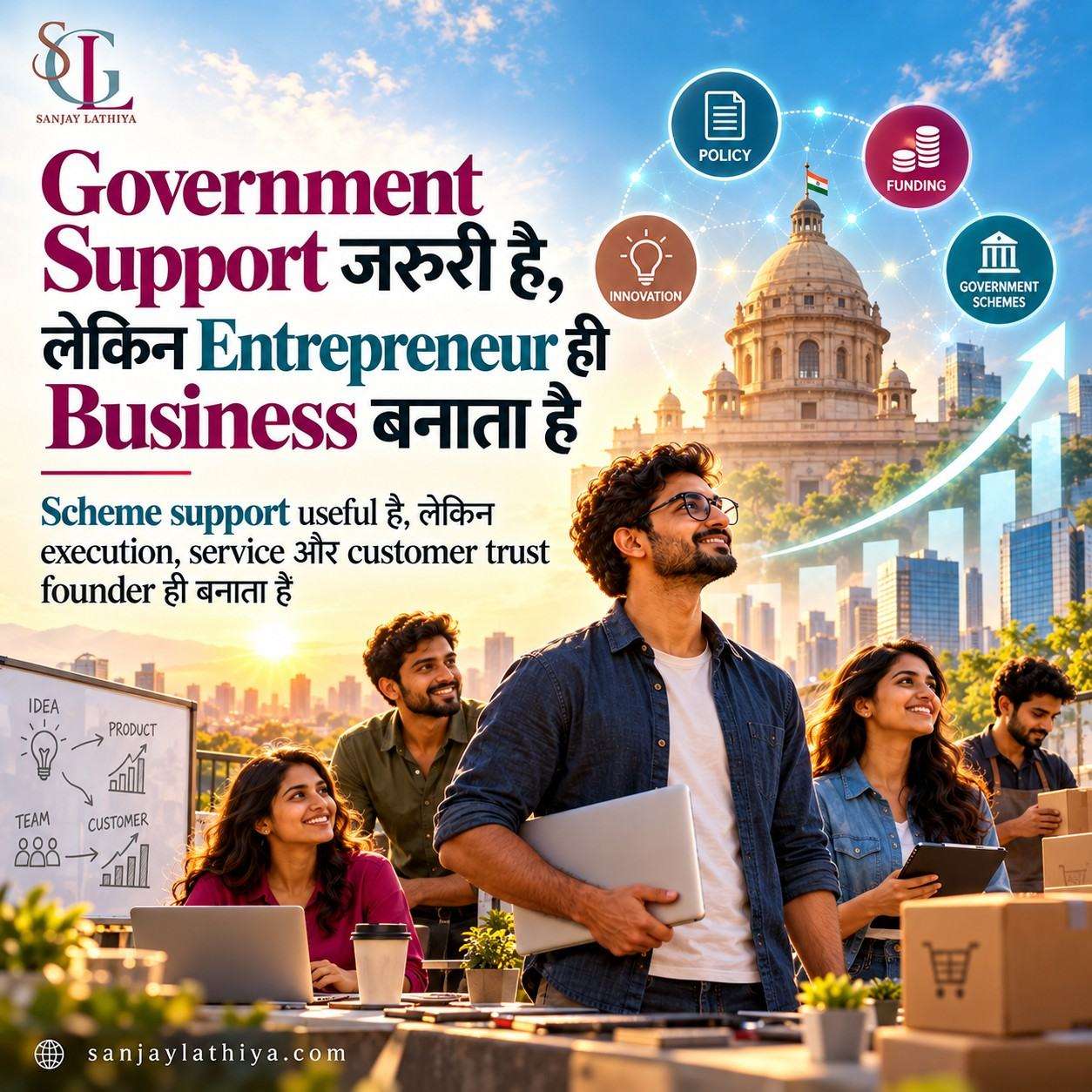
Government Support जरूरी है, लेकिन Entrepreneur ही Business बनाता है
सरकार infrastructure, schemes, tax benefits, credit support और startup ecosystem तैयार कर सकती है।
लेकिन ग्राहक सरकार नहीं देती।
Product-market fit सरकार नहीं बनाती।
Good service, financial discipline और execution भी सरकार नहीं कर सकती।
इसलिए entrepreneur को government support को foundation नहीं, accelerator की तरह देखना चाहिए।
Startup शुरू करने से पहले founders को तीन बातें स्पष्ट रखनी चाहिए:
क्या मैं वास्तविक problem solve कर रहा हूं?
क्या customer उसके लिए पैसा देगा?
क्या यह business लंबे समय तक profitable या sustainable बन सकता है?
अगर इन तीन सवालों का जवाब मजबूत है, तब technology, government schemes और investment business की growth को तेजी दे सकते हैं।
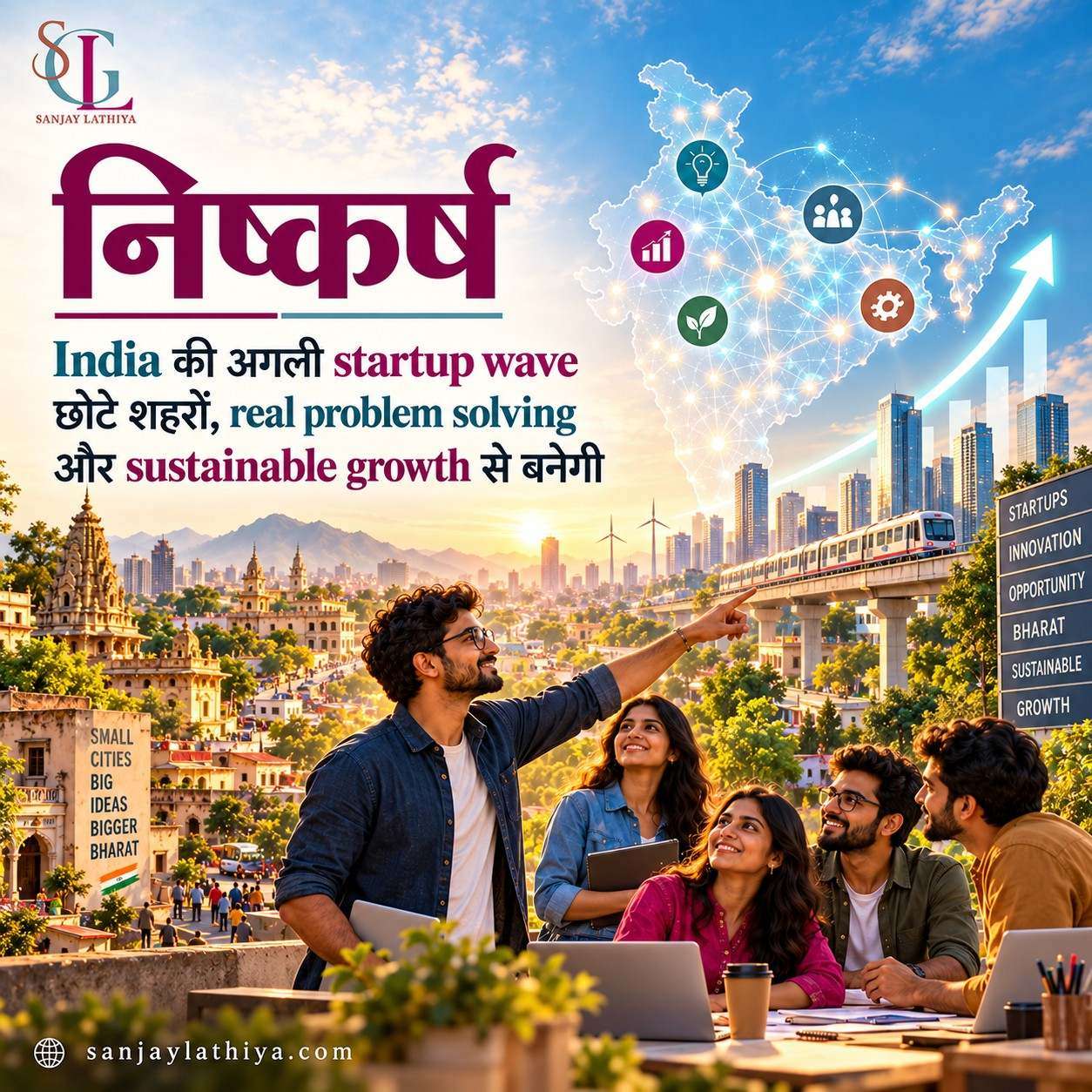
निष्कर्ष
India’s Startup Story 2026 वास्तव में “Metro India से Bharat” की तरफ बढ़ती entrepreneurship की कहानी है।
Startup India ecosystem के अनुसार Tier-II और Tier-III cities की participation तेजी से बढ़ रही है, और सरकार district-level entrepreneurship, incubation, funding access और innovation ecosystem को मजबूत करने की दिशा में काम कर रही है।
लेकिन हमें startup culture को केवल unicorns और funding rounds के नजरिए से नहीं देखना चाहिए।
अगर Surat का textile entrepreneur technology के जरिए global buyers तक पहुंचता है, Bihar का founder agriculture problem solve करता है, Rajkot का manufacturer innovative machine बनाता है या Indore का young founder profitable digital business खड़ा करता है—तो वह भी भारत की startup story का महत्वपूर्ण हिस्सा है।
भारत को केवल ज्यादा startups नहीं चाहिए।
भारत को ज्यादा sustainable, profitable और problem-solving businesses चाहिए।
और शायद अगला बड़ा entrepreneur किसी Bengaluru high-rise office से नहीं, बल्कि भारत के किसी छोटे शहर की एक साधारण सी office, workshop या दुकान से निकल रहा हो।
अधिक business, entrepreneurship और Indian economy से जुड़े विचारों के लिए पढ़ें:
By. Sanjay Lathiya
SanjayLathiya.com
FAQ.
1. क्या छोटे शहर से startup शुरू किया जा सकता है?
बिल्कुल। Digital payments, internet, logistics, cloud technology और online marketing के कारण location की बाधाएं पहले की तुलना में काफी कम हुई हैं।
2. Startup India में registration कराने से क्या benefits मिलते हैं?
Eligible DPIIT-recognised startups को applicable conditions के तहत self-certification, IPR assistance, tax-related benefits, easier public procurement norms और अन्य ecosystem support मिल सकते हैं।
3. क्या हर startup को 3 साल income tax exemption मिलता है?
नहीं। Section 80-IAC benefit specific eligibility और approval requirements के अधीन है। Eligible startups को prescribed conditions पूरी करनी होती हैं।
4. क्या सरकार startup के लिए सीधे ₹20 crore loan देती है?
नहीं। Credit Guarantee Scheme में ₹20 crore तक eligible debt पर guarantee coverage का framework है। Actual loan bank या eligible financial institution अपनी assessment के आधार पर देता है।
5. 2026 में छोटे शहरों के लिए कौन से startup sectors अच्छे हो सकते हैं?
Manufacturing technology, textile and fashion, agritech, logistics, D2C, healthcare, regional commerce, SaaS, MSME digitisation और local problem-solving services में मजबूत opportunities देखी जा सकती हैं।
6. Startup शुरू करते समय funding ज्यादा जरूरी है या customer?
शुरुआती stage पर genuine customer problem और paying customers अधिक महत्वपूर्ण होते हैं। Funding कमजोर business model का substitute नहीं हो सकती।