
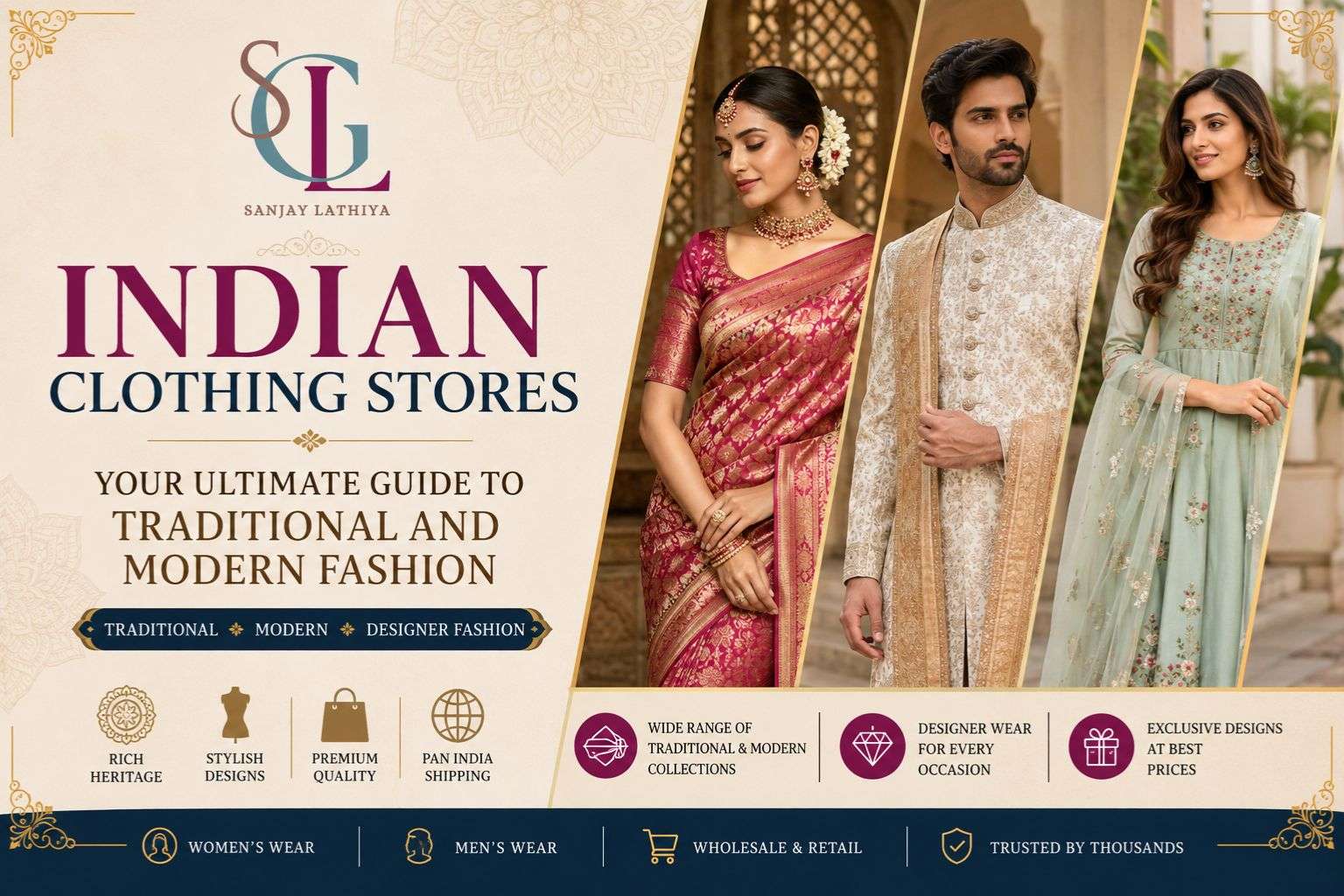
Indian Clothing Stores: Your Ultimate Guide to Traditional and Modern Fashion
June 16, 2026
India's fashion industry represents one of the most vibrant and diverse clothing markets in the world. From elegant sarees and embroidered lehengas to trendy Indo-western outfits and contemporary ethnic wear, Indian clothing stores offer something for every generation and every occasion. Whether you are shopping for a wedding, a festive celebration, corporate attire, or casual daily wear, the variety available in the Indian fashion market is truly unmatched.
The growing popularity of online shopping has transformed how consumers discover and purchase apparel. Today, buyers can browse thousands of products, compare styles, and place bulk orders from trusted suppliers without leaving their homes. This shift has helped Indian clothing stores reach customers across India and international markets alike. Fashion-conscious shoppers now expect a combination of traditional craftsmanship and modern styling, pushing retailers to innovate while preserving cultural heritage.
As Indian fashion evolves, consumers are increasingly looking for stores that provide quality fabrics, competitive pricing, and trend-driven collections. This guide explores the traditional roots of Indian fashion, the rise of modern styles, designer collections, and practical shopping advice to help you make informed fashion decisions.
Traditional Indian Clothing
India's traditional attire reflects centuries of cultural diversity, regional craftsmanship, and artistic expression. Every state contributes unique textiles, embroidery techniques, weaving styles, and silhouettes that define its identity. Sarees, salwar suits, kurtas, lehengas, dhotis, and sherwanis remain deeply connected to festivals, weddings, and cultural ceremonies.
Traditional garments are often handcrafted using techniques passed down through generations. Fabrics such as silk, cotton, georgette, chiffon, and Banarasi weave continue to dominate the ethnic fashion market. These timeless pieces are appreciated not only for their beauty but also for their ability to tell stories of India's rich heritage.
Consumers shopping at Indian clothing stores often prioritize authenticity and craftsmanship when purchasing traditional wear. High-quality embroidery, handwoven textiles, and regional specialties remain strong selling points. As cultural celebrations continue to play a major role in Indian society, traditional clothing remains a staple category within the fashion industry.
The Heritage of Indian Fashion
Indian fashion history spans thousands of years and has been influenced by royal dynasties, regional cultures, and international trade. Traditional garments evolved through interactions between various communities while maintaining distinct regional characteristics.
The beauty of Indian fashion lies in its versatility. A Banarasi saree from Uttar Pradesh, a Bandhani design from Gujarat, or a Kanjeevaram saree from Tamil Nadu each represents a unique artistic tradition. These garments continue to inspire modern designers who incorporate traditional elements into contemporary collections.
Why Traditional Wear Remains PopularTraditional attire offers emotional and cultural value beyond aesthetics. Families often pass heirloom garments through generations, creating strong sentimental connections. Traditional outfits also provide elegance and sophistication that modern fashion sometimes struggles to replicate.
The growing appreciation for sustainable fashion has further increased demand for handcrafted ethnic wear. Consumers increasingly value artisanal craftsmanship, supporting local weavers and artisans while embracing timeless fashion choices.
Modern Indian Fashion
The rise of urban lifestyles and global fashion influences has significantly shaped modern indian fashion. Today's consumers seek outfits that combine comfort, functionality, and style without sacrificing cultural identity. This demand has led to innovative fusion wear collections that blend traditional Indian elements with western silhouettes.
Young professionals often prefer kurtis paired with jeans, Indo-western dresses, contemporary co-ord sets, and fusion jackets. These versatile outfits work well for office environments, casual gatherings, and social events. The evolution of modern indian fashion demonstrates how Indian consumers balance tradition and modernity in their daily wardrobes.
Fashion brands continually experiment with cuts, fabrics, prints, and styling techniques to create fresh collections. Social media platforms have accelerated trend adoption, allowing consumers to discover new styles and fashion inspirations quickly.
Fusion of Western and Indian Styles
Fusion wear has become one of the fastest-growing segments in the fashion industry. Designers creatively combine traditional embroidery, Indian textiles, and ethnic motifs with western silhouettes to produce unique garments.
Consumers appreciate fusion wear because it provides flexibility and versatility. These outfits can be styled for multiple occasions, making them practical investments for modern wardrobes. As a result, many retailers now dedicate significant shelf space to fusion collections.
Trends Shaping Modern FashionCurrent fashion trends emphasize sustainability, comfort, minimalism, and personalization. Lightweight fabrics, pastel colors, digital prints, and versatile styling options dominate many contemporary collections.
Fashion-forward consumers are also embracing customization services, allowing them to personalize outfits according to individual preferences. This trend has encouraged retailers to offer more tailored shopping experiences.
Designer Indian Clothing
The demand for Designer Indian Clothing has expanded dramatically as consumers seek exclusive, high-quality fashion. Designer collections often feature premium fabrics, intricate detailing, innovative silhouettes, and superior craftsmanship.
Luxury ethnic wear is especially popular during wedding seasons when consumers prioritize elegance and uniqueness. Bridal lehengas, designer sarees, embellished gowns, and statement sherwanis remain top-selling categories. The appeal of Designer Indian Clothing lies in its ability to combine traditional artistry with contemporary design innovation.
Many designers focus on limited-edition collections, creating a sense of exclusivity that attracts fashion-conscious buyers. Premium garments often incorporate hand embroidery, luxury fabrics, and custom tailoring services.
Premium Fashion Collections
Designer collections cater to consumers looking for standout pieces that make lasting impressions. These garments often involve hundreds of hours of craftsmanship, resulting in exceptional quality and detailing.
Fashion enthusiasts appreciate designer wear because it offers individuality and prestige. Wearing unique pieces helps consumers express personal style while celebrating special occasions with confidence.
Luxury vs Affordable Designer Wear| Feature | Luxury Designer Wear | Affordable Designer Wear |
|---|---|---|
| Fabric Quality | Premium | Good Quality |
| Customization | Extensive | Limited |
| Pricing | High | Moderate |
| Exclusivity | Very High | Moderate |
| Availability | Limited | Wider Access |
Indian Apparel Stores
Modern Indian Apparel Stores have evolved beyond traditional retail formats. Today, consumers expect seamless omnichannel shopping experiences that combine physical stores with online platforms.
Retailers now invest heavily in digital infrastructure, offering virtual catalogs, online consultations, and personalized recommendations. The growth of Indian Apparel Stores online has made fashion more accessible to consumers across different cities and regions.
Customers can compare products, read reviews, and explore extensive collections before making purchasing decisions. This convenience has transformed shopping behavior significantly.
Online Shopping Revolution
Online fashion retail continues to experience rapid growth due to convenience, variety, and competitive pricing. Consumers appreciate the ability to browse collections anytime and anywhere.
Retailers benefit from broader market reach and improved inventory management. Advanced technologies such as AI-driven recommendations further enhance customer experiences.
Benefits of Buying from Trusted StoresTrusted retailers provide quality assurance, transparent pricing, reliable delivery, and responsive customer support. These factors contribute significantly to customer satisfaction and long-term loyalty.
Choosing established retailers helps reduce risks associated with counterfeit products or inconsistent quality standards.
Indian Fashion Shopping Guide
An effective Indian Fashion Shopping Guide helps consumers navigate the vast fashion marketplace with confidence. Understanding fabric quality, sizing, occasion suitability, and current trends can significantly improve purchasing decisions.
Shoppers should consider climate conditions, personal preferences, and budget constraints before selecting outfits. Following a structured Indian Fashion Shopping Guide ensures better value and long-term wardrobe satisfaction.
How to Choose the Right Outfit
Selecting the right outfit requires balancing style, comfort, functionality, and occasion requirements. Formal events often demand elegant attire, while casual settings allow greater flexibility.
Consumers should prioritize garments that complement their body type and personal style. Investing in versatile pieces can maximize wardrobe utility.
Shopping Tips for Different Occasions- Weddings: Designer sarees, lehengas, sherwanis
- Festivals: Ethnic suits, kurtas, traditional wear
- Office: Fusion wear, elegant kurtis
- Casual Outings: Comfortable Indo-western outfits
Top Indian Clothing Stores in India
The Indian retail landscape features numerous stores catering to diverse fashion preferences. Leading retailers focus on quality, affordability, and extensive product ranges. Consumers often evaluate stores based on variety, customer service, pricing, and reliability.
Wholesale fashion suppliers have also gained prominence as businesses seek bulk purchasing opportunities. Surat, Mumbai, Delhi, Jaipur, and Bangalore continue to serve as major fashion hubs offering extensive apparel collections.
For readers interested in wholesale ethnic wear sourcing, exploring reputable suppliers and manufacturer networks can provide valuable business opportunities.
Indian Clothing Stores for Women
Women's fashion remains one of the largest segments within the Indian apparel industry. Collections include sarees, kurtis, salwar suits, lehengas, gowns, co-ord sets, and fusion wear options.
Today's consumers seek versatility, comfort, and trend-driven designs. Retailers respond by introducing seasonal collections featuring innovative fabrics, contemporary silhouettes, and vibrant color palettes.
The continued popularity of Indian clothing stores among women reflects the industry's ability to adapt to changing consumer preferences while preserving traditional aesthetics.
Indian Clothing Stores for Men
Men's fashion has undergone significant transformation in recent years. Modern consumers demand stylish yet practical clothing suitable for professional and social settings.
Popular categories include kurtas, sherwanis, Nehru jackets, formal shirts, casual wear, and Indo-western ensembles. Retailers increasingly focus on fit, fabric quality, and versatile styling options.
As men's fashion awareness continues to grow, retailers are expanding their collections to meet evolving consumer expectations and fashion trends.
Future of Indian Fashion Retail
The future of fashion retail appears increasingly digital, personalized, and sustainability-focused. Brands are investing in technology-driven shopping experiences, ethical sourcing practices, and environmentally responsible production methods.
Artificial intelligence, virtual try-on technologies, and data-driven personalization are expected to shape future consumer experiences. Retailers that successfully combine innovation with cultural authenticity will likely lead the next phase of industry growth.
Conclusion
The Indian fashion industry continues to thrive by balancing cultural heritage with modern innovation. From traditional ethnic wear to contemporary fusion collections, consumers enjoy unparalleled variety and creativity. Whether shopping for weddings, festivals, professional attire, or casual fashion, today's retailers offer options for every style preference and budget.
The growing influence of e-commerce, designer collections, and sustainable fashion practices ensures continued evolution within the market. By understanding key fashion categories and shopping considerations, consumers can make informed purchasing decisions while enjoying the richness and diversity of Indian fashion.
https://www.sanjaylathiya.com/