

Fast Fashion vs Slow Fashion: The Impact on the Environment
September 27, 2025
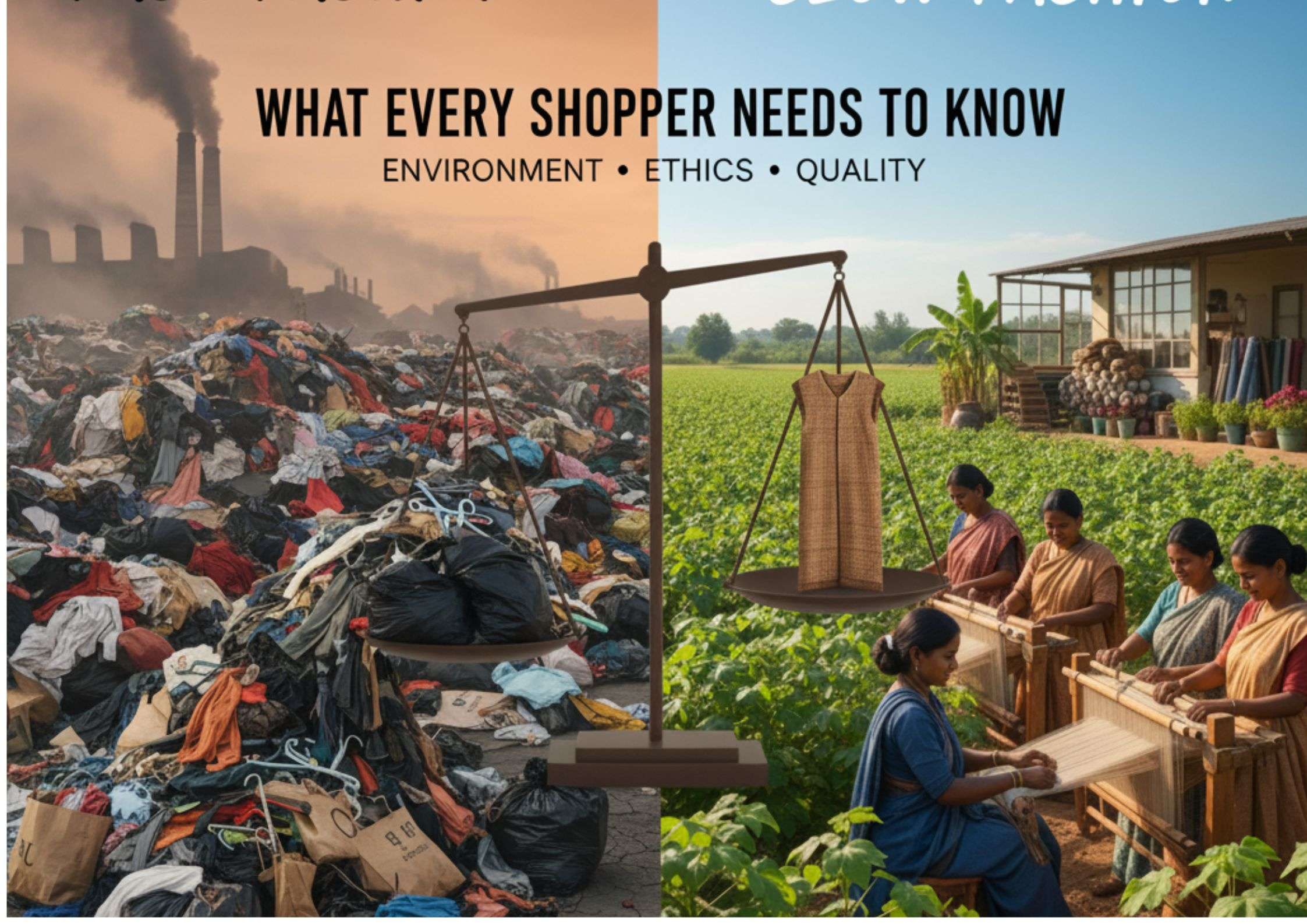
Fast Fashion vs Slow Fashion: What Every Shopper Needs to Know
Fashion isn't just about clothes. It's expression, culture, and identity. In recent years, the world of fashion has been divided into two different paths: fast fashion vs slow fashion. On one hand, there's fast fashion: inexpensive, trendy pieces that pop up on the shelves in just as fast as they appear at the fashion show. On the other hand, we have slow fashion, a conscious movement focusing on ethics, sustainability, and high-end quality. This article explores both sides as well as their effects, and the things shoppers must know before buying their next item.
What is Fast Fashion?
Fashion for the fast lane is about convenience and speed. Retailers launch new styles every week to satisfy the demands for the newest fashions. The clothes are usually made from inferior materials, which means they aren't durable. Although it's exciting to buy a fashionable top for less than $10 but the truth is that the clothes aren't designed to last. People are attracted to these clothes because they can often update their wardrobes without spending a fortune. But the real price of fast fashion is in its enormous environmental and ethical ramifications.
What is Slow Fashion?
Slow fashion is a different method. Instead of releasing hundreds of collections every year slow fashion brands produce fewer, but more high-quality pieces. The clothes are made for long-lasting use, in the fabric and timeless style. It is a celebration of fair labor in the workplace, sustainable materials, and mindful choices made by consumers. Fashion-conscious shoppers typically invest in pieces that can be worn in a variety of ways. This movement helps us consider clothing not just as disposable, but rather to invest in our lives and the world.
Environmental Impact of Fast Fashion
Fashion Industry Pollution
It is also the 2nd largest polluter behind oil. The toxic chemicals in dyes used in textiles leach into the waterways, causing harm to wildlife and the surrounding communities. Fabrics burn carbon-based fuels with alarming levels which contributes significantly to greenhouse emissions of greenhouse gases. The energy required for mass manufacturing and transportation of inexpensive clothes increases the carbon footprint of fashion. In addition synthetic fabrics like polyester release microplastics each when they are cleaned. These factors together makes fast fashion among the top destructive industries for the environment and a major cause of fashion industry pollution.
Clothing Waste Problem
Fast fashion thrives on the overproduction which results in a huge quantity of garbage. Each every year billions of clothes objects are thrown away, and most of them worn just once or twice. The majority of these items are thrown away in landfills, which can take years, or even hundreds of years to degrade. Synthetic materials don't break into pieces naturally, and release toxic substances in the air and soil. And, to make matters worse burning unused or returned products contributes to the global environmental pollution. It is a cycle that "buy, wear, throw" is not sustainable and is a major contributor to the clothing waste problem.
Eco-Friendly Fashion Alternatives
Eco Friendly Fashion
Eco friendly fashion is a way to reduce the environmental impact that is caused by the manufacturing of clothing. This is done by the use of organic, recycled or biodegradable materials. Additionally, it involves ethical work practices and less the waste of packaging. Consumers today are becoming more mindful, and are seeking brands that are in line with their beliefs. Fashions that are eco friendly fashion don't just help the environment but also leads to healthier lifestyles for the people who make it, as well as customers that wear it.
Eco Friendly Fashion Show
Fashion shows were traditionally the symbol of excess and glamour. Many designers are using these shows to highlight environmentally-friendly designs. Eco friendly fashion show events showcase companies that use recycled fabrics, zero-waste designs and animal-free products. These shows aren't just visually stimulating but also educational, raising awareness of fashion's environmental footprint. In demonstrating how sustainability and fashion are compatible, they motivate both the fashion industry and the public to adopt greener lifestyles.
Eco Friendly Fashion Brands UK
It is no secret that the UK has been a leader in sustainable fashion. Brands such as Stella McCartney have shown that elegance and sustainability can be a perfect match. People Tree is another pioneer in the field, offering Fair Trade certified clothing that helps artisans from all over the globe. In addition, Thought Clothing is a specialist in natural fabrics such as hemp and organic cotton. These companies offer fashionable and ethical alternatives for consumers who want to stay away from fast fashion. Their increasing popularity indicates that the consumers of the UK are looking for more sustainable alternatives, making eco friendly fashion brands UK a growing trend.
Best Eco Friendly Fashion Brands
In the world, eco friendly fashion is on the rise. Companies like Patagonia and Reformation have for a long time advocated for environmental responsibility, constructing sturdy outdoor clothing made from recycled materials. Reformation blends fashion with sustainable design, appealing to younger customers who are still looking to look stylish. Eileen Fisher is another top brand, focusing on timeless designs and a clothes recycle program that reduces the amount of waste. Every one of these brands shows that best eco friendly fashion brands aren't just a niche but are becoming the norm. The fashion-conscious consumer has plenty of options that do not compromise in style or ethical standards.
Sustainable Materials in Slow Fashion
Organic Cotton Fair Trade Clothing
Conventional cotton is among the most pesticide-intensive plants in the world, causing harm to the environment as well as farmers. Organic cotton fair trade clothing is grown without harmful chemicals, requiring less water and protecting the health of the soil. When it is paired by Fair Trade practices, farmers receive fair pay and secure working conditions. Organic cotton clothing is soft, more secure and lasts longer. By choosing this method, you are helping both human health and environmental dignity.
Recycled Fabrics and Upcycling
Upcycling and recycling are turning into game changers in fashion. Plastic bottles are being transformed into polyester fabrics, jeans are transformed to make bags. Trashed textiles are given a new lease of life. Upcycling can be a creative approach to sustainability and turns the waste into wearable works of art. These practices drastically reduce the demand for raw materials, thus reducing the amount of pollution and preserving resources. By promoting recycled fabrics, shoppers help to close the loop of fashion's wasteful cycle and support the vision of slow fashion.
Ethical Aspects of Fashion
Behind every cheap piece of clothing is usually a tale of the exploitation of workers. A lot of fast fashion factories depend on unpaid workers under unsafe working conditions. Tragedies such as that of the 2013 Rana Plaza collapse in Bangladesh revealed the human cost associated with fast fashion. Slow fashion, on the other hand, is a firm believer in decent wages, safe workspaces, and respect for artisans. It seeks to empower communities, rather than exploit them. By embracing ethical fashion consum, ers can be sure that their purchases are a source of dignity and not of being used for exploitation.
Consumer Habits and Their Role
Consumers play an important role in the development of the industry of fashion. Fast fashion is popular due to the fact that people spend a lot and treat garments as if they were disposable. Making conscious choices like buying fewer clothing, fixing damaged items or shopping for thrift stores can have an enormous impact. A capsule wardrobe that is flexible, timeless pieces can reduce the need to shop constantly. Every purchase counts to support the type of industry we would like to see. If we change our behavior and purchasing habits, we can help push companies to adopt more eco friendly fashion methods of operation.
The True Cost of Fast Fashion
This $10 shirt is an expense that is much more expensive than what the tag says. Workers typically earn low wages, factories cause fashion industry pollution, and landfills are overflowing with trashed clothing. Fast fashion also depletes natural resources, using huge quantities of energy and water. The environmental and human cost of these clothes is astounding. When consumers realize the real costs, the bargains seem more expensive in the end.
Benefits of Slow Fashion
Slow fashion has many advantages. Clothes are made to last longer, which means less the amount of waste and reducing costs over the course of time. Shoppers will find timeless, versatile pieces, not flimsy trends. Slow fashion also assists artisans in the local area, which keeps the traditional craft in demand. In a larger sense it lowers the impact of pollution and encourages ethical work. By avoiding fast fashion, shoppers help to create an environmentally eco-friendly, fair and fashionable future.
How to Identify Ethical Brands
The search for ethical companies can be a challenge However, there are indicators to look out for. Certifications such as Fair Trade and GOTS (Global Organic Textile Standard) as well as B Corp indicate sustainable practices. Transparent brands disclose information about their factories, supply chains and the materials they use. They usually promote take-back as well as recycling programmes. If a company doesn't answer questions about its manufacturing it's typically an indication of a problem. Buyers should do their research prior to buying to make sure that their purchase supports eco friendly fashion brands and positive shifts.
The Role of Technology in Fashion Sustainability
Technology has been driving the development of eco friendly fashion that is sustainable. Digital eco friendly fashion show events help reduce the amount of waste produced by replacing runways with virtual ones. AI tools can help recycle fabric more effectively, giving old clothes a second chance. 3D printing is a topic being studied to reduce waste materials in the production process. Blockchain technology can also increase transparency by tracking clothing throughout the chain of supply. Technology is becoming an essential player in establishing a greener, slow fashion industry.
Tips for Shoppers to Transition to Slow Fashion
The transition to slow fashion isn't necessarily a burden. Begin by purchasing fewer items and opting for the highest quality products over the cheapest. Second-hand stores and thrift stores provide affordable and sustainable alternatives. Making repairs with a few simple skills can prolong the lifespan of clothing. Sharing clothes or borrowing them with friends creates variety and avoids the need to waste. Every tiny step counts and with time, these routines will make a big difference in your wardrobe and the environment.
Future of Fashion Industry
Fashion is in an intersection. More and more consumers are seeking eco friendly fashion choices and a lot of brands are reacting. Although fast fashion remains the most popular however, the slow fashion movement is gaining traction. Governments are also considering stricter guidelines for fashion firms' environmental impact. Should this continue, we may see slow fashion becoming the new standard. The issue is whether we as consumers are prepared to shift our fashion swiftly enough.
Conclusion
The debate about fast fashion vs slow fashion isn't just about clothing; it's about the sustainability of our planet as well as those who produce the clothes we wear. Fast fashion is often cheap and fashionable, but the true price is staggering. Slow fashion, however, empowers people, conserves resources, and gives timeless fashion. Every person who shops has the ability to affect the market. By being mindful of our choices, we can move from a wasteful lifestyle to a sustainable way of living. Fashion is a tool to improve the world, and it begins with us.