
Exploring the History of Hinduism Scriptural Teachings, Cultural Legacy & Movements
September 20, 2023
The history of Hinduism stretches back to the ancient Indus Valley Civilization, one of the oldest civilizations known to man. It is one of the oldest religions in the world still practiced today. Over the millennia, Hinduism has evolved to include a variety of beliefs, scriptures, scriptures, and mythology, as well as powerful philosophy. In this blog post, we will explore the history of Hinduism from the Indus Valley Civilization to the modern age, examining the critical scriptures, movements, and reformations that have shaped it over time. We will pay special attention to how Hinduism has been affected by Islamic and colonial rule, as well as the impact of its cultural legacy on the modern world. Join us on a journey of discovery and understanding as we explore Hinduism's past and present.
Learn About Hindu History and its Importance
The history of Hinduism is a long and complex one, stretching back to the ancient Indus Valley Civilization, one of the oldest civilizations known to man. Over the millennia, Hinduism has adapted and changed to include a variety of beliefs, scriptures, and mythology, as well as strong philosophical principles. In this blog post, we will explore the history of Hinduism, from the Indus Valley Civilization to the modern age, looking at the scriptures, movements, and reformations that have shaped it along the way.
The earliest scriptures of Hinduism can be found in the Rigveda, which was composed during the Vedic period. This period saw the emergence of the Upanishads, which form the core of Hindu philosophy and the beginnings of Vedanta. The Ramayana and Mahabharata can also be found during this period, forming two of the most important epics of Hinduism.
The Bhakti Movement emerged in the late medieval period, marked by the spread of devotion to Hinduism. This movement promoted the worship of personal deities, a practice that still remains popular today. This was followed by the Sufi movement, which combined Islamic and Hindu traditions. During this period, influential Hindu figures such as Ramanuja, Madhva, and Kabir also emerged.
During the Islamic and Mughal rule, Hinduism saw the emergence of reform movements, including the Brahmo Samaj and the Arya Samaj. These movements sought to modernize Hinduism and emphasize its Vedic roots. Following the Indian Independence, Hinduism has continued to evolve in the post-independence period. The cultural legacy of Hinduism has impacted the world, with Hinduism being the third-largest religion in the world.
From its ancient beginnings in the Indus Valley Civilization, Hinduism has been consistently shaped by scriptures, movements, and reformations. Its long and complex history has produced a religion with a wide array of beliefs and practices that have left a lasting legacy around the world. While the future of Hinduism is uncertain, its past shines as a powerful example of a religion that has managed to survive and adapt throughout the centuries.
Hinduism, one of the oldest religions still practiced today, has evolved over millennia with its beliefs, scriptures, and mythology. Starting with the ancient Indus Valley Civilization, we will explore the history of the religion, its scriptures, movements, reformations, and the impact of Islamic and colonial rule on it. Furthermore, we will look at how Hinduism has left its mark on the modern world, from its philosophy, gods, rituals, and festivals, to its culture, spirituality, and temples. Join us on this journey of discovery to understand the legacy of Hinduism in India and around the world.
Hinduism, History, Culture, Philosophy, Spirituality, Indus Valley Civilization, Vedic Period, Upanishads, Epic Literature, Puranas, Bhakti Movement, Sufi Movement, Islamic & Mughal Rule, Colonialism in India, Post-Independence Era, Cultural Legacy.
Hindu history is a vast and rich tapestry that spans over several millennia. It encompasses the cultural, religious, and socio-political developments of the Indian subcontinent, where Hinduism originated and has been practiced for thousands of years. Here's an overview of Hindu history and its importance:
Ancient Period (Approx. 1500 BCE - 1200 CE):
Indus Valley Civilization (Approx. 3300 BCE - 1300 BCE): This is one of the world's oldest urban civilizations, known for its advanced urban planning, trade networks, and distinctive artifacts. While it's uncertain if the people of the Indus Valley were specifically "Hindu," there are elements of later Hinduism that can be traced back to this civilization.
Vedic Period (Approx. 1500 BCE - 500 BCE): The Rigveda, one of the oldest texts in the world, is the foundational scripture of Hinduism. This period saw the development of the Vedic traditions, which included hymns, rituals, and philosophical speculations.
Upanishadic Period (Approx. 800 BCE - 200 BCE): The Upanishads form the culmination of Vedic thought, delving into metaphysical and philosophical inquiries. They are considered the core of Hindu philosophy and explore concepts like Brahman (ultimate reality) and Atman (individual soul).
Classical Period (Approx. 200 CE - 1200 CE):
Epic Literature (Approx. 300 BCE - 300 CE): The Mahabharata and the Ramayana are two monumental epics that explore moral, ethical, and philosophical dilemmas. The Bhagavad Gita, a part of the Mahabharata, is a revered scripture that addresses the nature of duty and righteousness.
Puranas (Approx. 300 CE - 1500 CE): These are a genre of texts that narrate mythological stories, cosmology, and the genealogies of gods, sages, and heroes. They play a significant role in shaping Hindu religious and cultural traditions.
Medieval Period (Approx. 1200 CE - 1750 CE):
Bhakti and Sufi Movements (Approx. 800 CE - 1800 CE): During this time, there was a surge of devotional movements, both within Hinduism (Bhakti) and Islam (Sufism). Prominent figures like Ramanuja, Madhva, Kabir, and Guru Nanak emphasized a personal and emotional connection with the Divine.
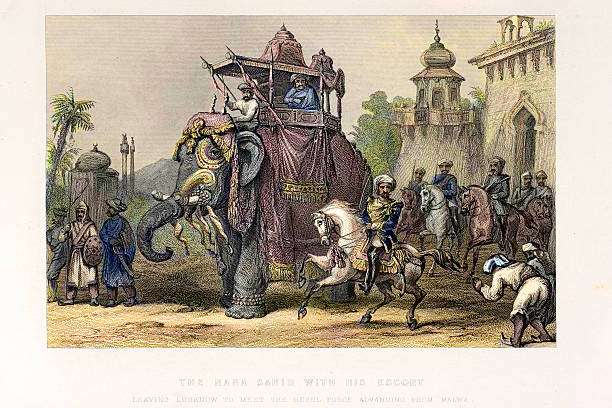
Islamic and Mughal Rule (Approx. 1200 CE - 1857 CE): India witnessed various Muslim dynasties, such as the Delhi Sultanate and the Mughal Empire. This period saw a synthesis of Hindu and Islamic cultures in architecture, art, and literature.

Modern Period (Approx. 1750 CE - Present):
Colonial Rule (Approx. 1750 CE - 1947 CE): British colonialism had a profound impact on India, affecting its socio-political and cultural landscape. This period saw the emergence of reform movements, such as the Arya Samaj and Brahmo Samaj, aiming to rejuvenate and reinterpret Hinduism.
Independence and Post-Independence Era (1947 CE - Present): India gained independence in 1947, leading to the formation of a secular democratic republic. Today, Hinduism is a major world religion, with diverse practices and interpretations.
Cultural Legacy: Hinduism has shaped the art, architecture, literature, music, and dance of the Indian subcontinent. It has contributed immensely to world culture.
Philosophical and Spiritual Depth: Hindu philosophy has given rise to profound ideas about the nature of reality, consciousness, and the self, influencing not only religion but also philosophy worldwide.
Tolerance and Pluralism: Hinduism's emphasis on pluralism and the acceptance of diverse beliefs and practices has contributed to India's multicultural identity.
Living Tradition: Hinduism is a living religion with a vast body of literature, diverse practices, and a vibrant community of practitioners worldwide.
Understanding Hindu history is crucial for appreciating the complexities and nuances of Hinduism, which continues to be a significant cultural and spiritual force in the modern world.
Exploring the Ancient Indus Valley Civilization: The Start of Hinduism?
The ancient Indus Valley Civilization was one of the great wonders of the pre-modern world. It was an epicenter of technology, culture, and commerce. But what makes the IVC so special? The answer lies in its history and the religion that arose from it - Hinduism.
The Indus Valley Civilization was first discovered in the 1920s and is believed to have flourished between 2600 and 1900 BCE. It was the largest of the three early civilizations in South Asia, stretching from modern-day Pakistan and India, and also encompassing what is now Afghanistan and parts of Turkmenistan.
One of the most notable aspects of the IVC is its advanced urban planning. The cities of Mohenjo-daro and Harappa were highly organized and featured a complex system of drainage, streets, and walls. Its art also featured a beautiful aesthetic with a wide array of sculptures, seals, and pottery.
But perhaps the IVC's greatest legacy was the religion of Hinduism. Hinduism developed from a number of religions in the region, including the faith of the early Vedic people. The Hindu faith also absorbed aspects of Buddhism, Jainism, and other faiths in the region.
The IVC is also the birthplace of yoga, which later spread to the rest of the world. Yoga was practiced by the IVC people to help them connect with the divine and to cope with life’s problems.
The IVC gives us insight into the origins of Hinduism, one of the world’s oldest religions. It was a major force in shaping the culture and values of South Asia and is still practiced by millions of people across the world today.
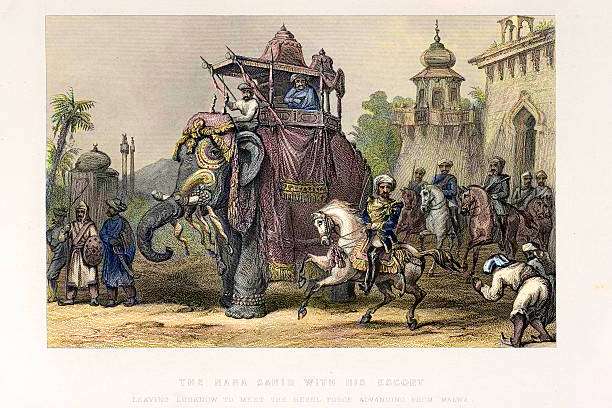
The IVC is one of mankind’s most remarkable ancient civilizations and holds many lessons for us in the modern world. It is a testament to the ingenuity of our ancestors, and a reminder of the importance of preserving our cultures and histories.
An Overview of the Vedic Period: The Foundational Scripture of Hinduism
The Vedic period is a period of Hindu history that dates back to 2000 BCE through 500 BCE. It is widely acknowledged as the foundation for Hinduism and is home to many of its foundational scriptures. These scriptures have been fundamental in the development of Indian spiritual, cultural, and philosophical thought.
The Vedic period began with the composition of the earliest Vedic texts, known as the Rigveda, Yajurveda, Samaveda, and Atharvaveda. These texts were composed orally, and over time they became part of a larger Vedic canon. These four Vedas are the primary source of knowledge for Hinduism, and they contain detailed information about many aspects of life and religion. They provide instructions on the rituals that were used in religious observances, as well as hymns of praise and worship that could be used in times of ceremony. In addition, the Vedas provide guidance on ethical and moral principles and include stories and teachings from the ancient sages.
In addition to the Vedas, the Vedic period is also home to many other Hindu scriptures, such as the Upanishads and the Bhagavad Gita. The Upanishads are a collection of philosophical and spiritual texts, while the Bhagavad Gita is a poem that details the conversation between the god Krishna and the warrior prince Arjuna. Together, these texts provide an in-depth look into the teachings and practices of Hinduism.
The Upanishads and the Bhagavad Gita are two of the most important texts of Hinduism, and they both provide a deep insight into the concept of dharma, or righteousness. Dharma is a central concept in Hinduism, and it is defined as the path of righteousness and duty controlled by divine law. Dharma provides a framework for living life in a way that is in harmony with the divine order, and it is believed to be the key to liberation from the cycle of samsara, or reincarnation.
The Vedic period is also home to other important scriptures such as the Puranas and the Mahabharata. The Puranas are a collection of ancient stories about the gods and goddesses of Hinduism, and they provide an insight into the mythology and beliefs of the religion. The Mahabharata is a long epic narrative about a major war between two groups of cousins, and it is one of the longest-known works in any language. Both of these texts provide valuable insights into the life and culture of the Vedic period.
The Vedic period is the foundation of Hinduism, and its scriptures have had a profound influence on the development of Indian thought and culture. The four Vedas, the Upanishads, and the Bhagavad Gita are some of the most important texts of Hinduism, and they provide invaluable insight into the teachings and practices of the religion. The Puranas and the Mahabharata are two other important texts of this period, and they provide an understanding of the culture and mythology of the Hindu faith. In summary, the Vedic period is a period of great importance in the history of Hinduism, and its scriptures are still relevant today.
The Upanishads: Uncovering the Core of Hindu Philosophy

The Upanishads are some of the most important ancient Hindu scriptures. They are considered to be the foundation of the Hindu philosophical tradition and are a source of great wisdom and spiritual inspiration. Through their teachings, the Upanishads have helped shape the Hindu religion and the spiritual beliefs of Hindus around the world.
The Upanishads were written around the 8th century BCE and contain some of the earliest expressions of Hindu philosophy. Their teachings focus on the nature of reality, the relationship between the individual and Brahman (God), the soul, the afterlife, and the path to liberation and enlightenment.
At their core, the Upanishads teach the concept of “self-realization,” the understanding that all of creation is one and that the individual soul is a part of the greater whole. This leads to the understanding that, through self-realization, we can connect with the divine within and attain liberation and enlightenment.
The Upanishads also focus on the importance of knowledge as a means of achieving liberation. They emphasize the need to study the Vedas (scriptures) in order to gain insight into the true nature of reality. The Upanishads emphasize both the importance of external knowledge and inner knowledge of the soul.
The Upanishads also emphasize the importance of meditation as a way of achieving inner peace and harmony. Through meditation, one can quiet the mind and focus on the Self, leading to an understanding of the truth within.
The Upanishads are a source of wisdom and spiritual guidance for Hindus around the world. They offer profound insights into the nature of reality, the relationship between the individual and Brahman, and the path to liberation and enlightenment. Through their teachings, the Upanishads have helped to shape Hindu philosophy and have been an essential source of spiritual inspiration for generations of Hindus.
Examining the Epic Literature of Hinduism: From the Mahabharata to the Bhagavad Gita
Hinduism is one of the oldest and most influential religious traditions in the world, with its sacred texts believed to date back thousands of years. Among the most important of these scriptures are the epics of Hinduism, which include the Mahabharata and the Bhagavad Gita. Since their origin, these epics have been instrumental in shaping the culture and beliefs of Hindus throughout the ages.
The Mahabharata is the longest poem ever composed, with over 100,000 verses in length. It tells the story of an epic war between two branches of the Kuru dynasty, led by two sets of five brothers known as the Pandavas and the Kauravas. Through its characters, the Mahabharata explores the themes of love, friendship, karma, and the search for dharma (righteousness and duty). It also serves as the foundation for much of Hindu philosophy, including the concepts of dharma and karma.
The Bhagavad Gita is another classic Hindu epic, consisting of 700 verses divided into 18 chapters. It is a dialogue between the divine figure Lord Krishna and the warrior Arjuna. In this scripture, Krishna explains the principles of dharma, the concept of the Atman (the soul or inner self), and the path of action or karma yoga (the practice of selfless action). The Gita is renowned for its teachings on how to live a moral and fulfilled life, with Krishna’s words often seen as a guide for spiritual enlightenment.

Both the Mahabharata and the Bhagavad Gita are widely studied and revered in Hinduism for their insight into the human condition and values of righteousness. They contain many of the fundamental teachings of Hinduism, including the path of karma yoga which is considered to be one of the most important practices of Hinduism. The epics have also been influential in the development of Hindu philosophy, inspiring countless interpretations and commentaries over the centuries.
Overall, the epics of Hinduism are essential texts for understanding the religion and its beliefs. From their earliest composition, they have been an integral part of Hindu culture, providing moral guidance and offering insight into the struggles and rewards of life. With their timeless messages, these works of ancient literature continue to be treasured for the wisdom and guidance they offer.
The Puranas: Investigating the Religious and Cultural Significance of Hindu Mythology
The Puranas are an important part of Hindu mythology and have been studied for centuries by scholars around the world. They are a body of stories and poems written in Sanskrit and provide insight into the customs, beliefs, and culture of the Hindu religion. These texts, composed by various authors over the centuries, have been composed in order to provide spiritual guidance to devotees of the faith. The Puranas contain a variety of stories, from tales of creation and destruction to stories of gods and goddesses, to tales of human life and relationships.
The Puranas provide a unique insight into the culture and beliefs of Hinduism. They include stories of deities, who are worshipped by Hindus, along with stories of the struggles of human life. Through these stories, devotees gain knowledge and understanding of the core values and practices of their faith.
The Puranas also provide a unique perspective into the social and cultural values of Hinduism. Through these stories, we can understand how Hindus think about and interact with the world around them. They help us to understand the social structure and hierarchy among Hindus, and how different sections of society interact with one another.

The Puranas also provide an important religious significance. Through these stories, Hindus are able to gain an understanding of their gods and goddesses, and of the spiritual paths that they can take in order to reach enlightenment. The stories can also provide insight into the spiritual practices of the Hindu faith, helping devotees to better understand their faith and practice its teachings.
The Puranas are a vital part of Hindu mythology and have been studied and discussed for centuries. Through these stories, we can gain a unique insight into the culture and beliefs of Hinduism, and gain a greater understanding of the spiritual and religious aspects of the faith.
The Bhakti and Sufi Movements: Exploring Devotion in Hinduism and Islam
The Bhakti and Sufi Movements are two distinct spiritual and social movements that emerged in India and the Middle Eastern regions during the medieval period. In Hinduism, Bhakti is a path towards achieving liberation through devotion to a personal god, while in Islam, Sufism is a spiritual practice of purifying one’s soul through contemplation of God and submission to Him. Both of these movements aimed to bring people closer to the divine in a more accessible and personal manner, ultimately emphasizing love and devotion as the basis for one’s spiritual development.
The Bhakti Movement began in India around the 8th century BCE. It was initially inspired by the Bhagavata Purana, a Hindu scripture that taught that humans can attain liberation through devotion to Lord Krishna. Over the centuries, different forms of Bhakti sects developed in various parts of India. These sects were characterized by an intense love and devotion to a personal god, as well as the practice of various rituals and devotional practices. They had a profound impact on religious, social, and cultural life.
The Sufi Movement, meanwhile, emerged in the Middle East in the 8th century CE and spread throughout the Islamic world, eventually reaching India. The Sufis believed that the path to true spiritual knowledge lies in direct contemplation of and submission to Allah. Through this practice, they sought to purify their hearts and minds in order to experience the divine. Sufis practiced a variety of rituals, including zikr (chanting praises of God), dhikr (meditation upon the divine names of God), and wandering. They also emphasized love, compassion, and hospitality towards all people, regardless of religious background.
In summary, both the Bhakti and Sufi Movements had a huge impact on the spiritual and social life of India and the Middle East by providing an accessible way for people to connect with the divine. Through their shared emphasis on devotion and love, these two movements served to promote unity and bridged the gap between people of different religious backgrounds.
The Impact of Islamic and Mughal Rule on Hinduism
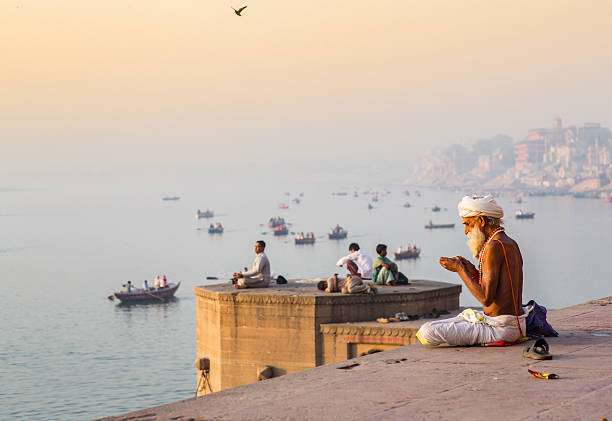
The Mughal rule and Islamic influences had a major impact on Hinduism during the medieval period. During this period, Hinduism underwent a number of transformations as it interacted with both Islamic and Mughal forces.
The first significant development under Mughal rule was the creation of a new type of Islamic culture, syncretic in nature, and heavily influenced by Persian and Arab cultures. This new culture, lovingly known as the Indo-Persian culture, developed a new religious identity, combining certain aspects of Islam and Hinduism. This was seen in the Mughal patronage of Sufism and other forms of Islamic mysticism, the use of Persian terminology to describe Indian religious practices, and the growth of Islamic poetry and literature.
The Mughals also had a major impact on Hinduism through their policies of religious tolerance. While many Hindu temples and shrines were destroyed and replaced with Islamic mosques, the Mughal emperors also ensured that Hindus continued to practice their religion freely. For example, Emperor Akbar abolished the jizya, the tax that Hindus had to pay to follow their faith, thus allowing them to practice freely.
The Mughal rule also gave rise to a new form of Hinduism – Neo-Hinduism. This form of Hinduism focused on creating a new, more modern version of the religion through the introduction of Islamic influences. These influences included the use of Persian terminology, the adoption of Islamic rituals such as the Akbar-e Azam, and the introduction of Islamic concepts such as monism and Sufism. Furthermore, many Hindu texts were translated into Persian, thus furthering the spread of Islamic influence in India.
Overall, the Mughal rule and Islamic influences had a major and lasting impact on Hinduism in the medieval period. Through their policies of religious tolerance, as well as their patronage of Islamic culture and their introduction of Neo-Hinduism, the Mughals contributed to a period of major religious and cultural transformation. The impact of these forces can still be seen today as certain aspects of Islamic culture remain a part of modern Hinduism.
Colonialism in India: The Emergence of Reform Movements within Hinduism
Colonialism was one of the most significant events that drastically altered the social and political landscape of India in the late 18th and 19th centuries. During the British Raj, Indian culture and tradition were heavily influenced by colonial rule. The impact of colonization on India’s social and religious structure gave rise to several reform movements within Hinduism.
The religion of Hinduism in India has been deeply rooted in tradition and culture for centuries. Colonial rule brought with it many changes that challenged the traditional Hindu way of life. The impact of these changes led to a period of unrest and spiritual awakening. This was a period where traditional values and practices were questioned and challenged by new ideas and ideologies.
The 19th century was a period of great reform for the Hindu religion. Various reform movements within Hinduism emerged as a result of colonial rule and the Western influence it brought. These reforms sought to modernize Hinduism and make it more accessible to the masses.
One of the most influential reformers was Swami Vivekananda. His teachings focused on the idea of universalism, which emphasized the idea that all religions are equal and valid. He was a key figure in spreading Vedanta philosophy, the philosophy behind Hinduism, across the world.
The Brahmo Samaj movement, founded by Raja Rammohan Roy, was another key reform movement. It sought to eliminate idol worship and other superstitious beliefs in Hinduism and promote the worship of a single universal god. This movement also encouraged gender equality and education for women.
The Arya Samaj movement, founded by Swami Dayanand Saraswati, was another important reform movement that aimed to promote the Vedas and the teachings of the Vedic scriptures. This movement also focused on the importance of moral behavior and encouraged the adoption of modern scientific methods.
The impact of colonialism in India gave rise to several reform movements within Hinduism. These movements sought to modernize Hinduism and make it more accessible to the masses. These reforms were largely successful in updating the ancient religion and making it more palatable to the Indian people, resulting in its continued popularity in India today.
Hinduism in the Post-Independence Era: Maintaining Traits of Ancient Traditions
Hinduism has been a major part of Indian culture for centuries, going back to ancient times. While there have been many changes and modernizations to Hinduism throughout the ages, many of the essential ancient traditions and traits have been maintained, particularly in the post-independence era.
In the post-independence era, Hinduism has been allowed to grow and develop in a relatively independent atmosphere in India, often with minimal interference from outside forces. This has allowed the religion to stay true to its ancient roots, which have been largely independent and self-sustaining.
Despite modernization and the introduction of new technologies, many of the essential spiritual and religious aspects of Hinduism have been preserved and maintained. To this day, rituals and customs associated with the religion still exist, such as performing the fire ceremony, taking part in yearly festivals, and adhering to the core philosophical principles. Additionally, the belief in reincarnation and the concept of karma remain a central part of Hinduism, as do other beliefs such as the duty of ahimsa (non-violence) in everyday life.
In the post-independence era, Hinduism has also adapted to the changing times. There has been an increase in the focus on education and the use of technology in religious studies, which has allowed more students to gain access to a better understanding of Hinduism and its teachings. This has had the positive effect of allowing people to develop a more comprehensive understanding of religion and its practices.
Furthermore, the need for Hinduism to continue to be a part of Indian culture has allowed for a greater emphasis on the importance of preserving ancient traditions and principles. As a result, there has been a concerted effort to preserve and promote the spiritual and religious aspects of Hinduism, which have been maintained despite the changing times.
Overall, the post-independence era of Hinduism in India has seen a great effort to maintain and preserve the ancient traditions and traits of Hinduism. This has been done without losing sight of the modern world, allowing for changes and updates to be made to the religion while staying true to its core beliefs and practices.
The Cultural Legacy of Hinduism: How it Has Shaped the World
Hinduism is one of the oldest forms of religion in the world, having been practiced for nearly four millennia. Over the last four thousand years, Hinduism has left a significant imprint on both the Indian subcontinent and the world. It has shaped the culture and identity of the Indian subcontinent and fostered strong ties between nations, peoples, and religions throughout the world.
Hinduism has had a major impact on how India is today. Many of India’s most important values and cultural practices are roots in Hinduism, such as its caste system and its caste endogamy. This system has had a significant influence on Indian society, from who marries whom to how individuals are perceived by others. Additionally, many of India’s most important religious festivals, such as Diwali and Holi, are celebrated in order to honor the gods and goddesses of Hinduism.
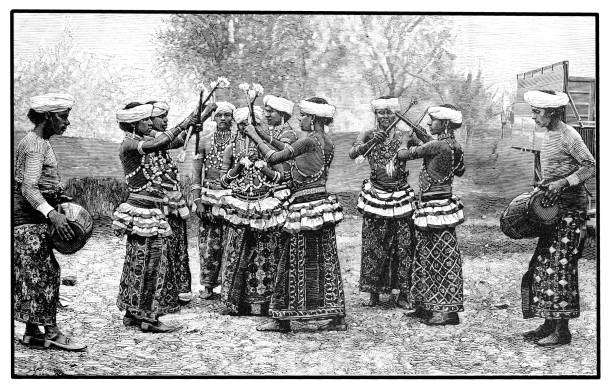
Hinduism has also had a profound effect on the culture and traditions of many other countries. The concept of karma, for example, has been adopted by many cultures around the world. This belief holds that one’s actions in this life will determine one’s fate in the next life. Additionally, the practice of yoga is something that has been embraced by many different cultures.
Hinduism has also played a major role in shaping the philosophy of many countries, such as India. The Upanishads, a collection of sacred scriptures, contain many of the fundamental teachings of Hinduism and have had a significant impact on how people view the world. Hinduism has also fostered strong ties between different religions, such as Buddhism and Sikhism. The two religions share many similar beliefs and practices, such as the concept of karma, and have both had a major influence on the world.
The cultural legacy of Hinduism has made it one of the most influential religions in the world. It has shaped the culture and identity of the Indian subcontinent, fostered strong ties between countries and religions, and had a major impact on how the world views and interacts with one another. For centuries, Hinduism has been a major force in the world, and its legacy will continue to shape and influence the world for many years to come.
Unlock the History & Legacy of Hinduism
Uncover the secrets of Hinduism, from its ancient origins to the present day. Learn about its philosophy, mythology, and reformations throughout history. Dive deep into its powerful cultural legacy to gain insight into the past and present of Hinduism.
Summary
- Hinduism is one of the oldest religions in the world still practiced today, stretching back to the ancient Indus Valley Civilization.
- Over the millennia, Hinduism has evolved to include beliefs, scriptures, mythology, and philosophy, and has evolved into a complex cultural and philosophical tapestry spanning over several millennia.
- The earliest scriptures of Hinduism can be found in the Rigveda, which was composed during the Vedic period, and the Upanishads, Ramayana, and Mahabharata form the core of Hindu philosophy. The Bhakti Movement emerged in the late medieval period, promoting the worship of personal deities, followed by the Sufi movement, which combined Islamic and Hindu traditions. The Islamic and Mughal rule saw the emergence of reform movements, including the Brahmo Samaj and Arya Samaj, which sought to modernize Hinduism and emphasize its Vedic roots. Hinduism continues to evolve in the post-independence period, with a cultural legacy that has left a lasting impact on the world.
Looking for a deep dive into the rich history of Hinduism? Look no further than Sanjay Lathiya's comprehensive exploration of Hinduism's scriptural teachings, cultural legacy, and movements. Visit https://www.sanjaylathiya.com/ to delve into this fascinating journey.
Our blog post titled "Exploring the History of Hinduism Scriptural Teachings, Cultural Legacy & Movements" offers an in-depth look into the evolution of one of the world's oldest religions. With a commitment to 100% customer happiness, we ensure a seamless and enriching reading experience.
In light of recent news about the Adams administration's bid for a 34,000-seat stadium in Van Cortlandt Park, we are reminded of the importance of preserving cultural heritage. Just as New York's live performance industry council, co-chaired by Coco Killingsworth and Ken Sunshine, is dedicated to enhancing the city's cultural landscape, we at Sanjay Lathiya are committed to preserving and promoting the rich cultural legacy of Hinduism.
#SanjayLathiya #Hinduism #CulturalLegacy #ScripturalTeachings #Movements #History #Culture #Religion #Preservation
FAQS
Q1. What is the history of Hinduism?
A1. Hinduism is an ancient religion that dates back to the Indus Valley Civilization, one of the oldest civilizations known to man. Over the millennia, Hinduism has evolved to include a variety of beliefs, scriptures, scriptures, and mythology, as well as powerful philosophy.
Q2. What are some of the important scriptures and literature in Hinduism?
A2. Some of the important scriptures and literature in Hinduism include the Vedic Period, Upanishads, Epic Literature, and Puranas.
Q3. What impact did Islamic and Mughal rule have on Hinduism?
A3. Islamic and Mughal rule had a great impact on Hinduism in terms of culture, religion, and philosophy. Many reform movements emerged during this period in response to the new rule and to create new ways of interpreting Hinduism.
Q4. How has Hinduism shaped the culture of the modern world?
A4. Hinduism has had a major impact on the culture of the modern world, especially in terms of philosophy and spirituality. Its rich mythology has inspired countless stories, songs, and artwork, and its core beliefs have been adopted by many people around the world.
Q5. What are some of the important movements within Hinduism?
A5. Two important movements within Hinduism are the Bhakti and Sufi Movements. These movements emphasized spirituality and devotion and helped to shape the religion in many ways.