
Celebrating Diwali Exploring the Culture and Meaning Behind the Festival
October 13, 2023
Diwali kab hai ? 2023
दिवाली का पर्व कार्तिक मास की अमावस्या तिथि के दिन मनाया जाता है। इस साल कार्तिक मास की अमावस्या तिथि की शुरुआत 12 नवंबर को दोपहर 2 बजकर 44 मिनट से शुरू हो रही है। इसका समापन 13 नवंबर, सोमवार की दोपहर 2 बजकर 56 मिनट पर हो रहा है। दिवाली किस दिन है: दिवाली कार्तिक मास की अमावस्या तिथि को मनाते हैं। इस साल अमावस्या तिथि 12 नवंबर 2023 को दोपहर 02 बजकर 44 मिनट पर प्रारंभ होगी और 13 नवंबर 2023 को दोपहर 02 बजकर 56 मिनट पर समाप्त होगी। दिवाली के दिन लक्ष्मी पूजन प्रदोष काल में उचित माना गया है। इसलिए दिवाली का पर्व 12 नवंबर 2023 को मनाया जाएगा।
Diwali, the most celebrated and colorful Hindu festival, is a time of joy and reflection. It is a time of family and friends, of connecting with the inner spirit, of giving and being thankful. With its roots in ancient Indian texts, Diwali has come to embody the values of Hinduism, which emphasize the importance of sharing, giving back to society, and honoring the divine within us. In this blog post, we'll explore the culture and meaning behind this incredible festival, learning about its traditions and symbolism, and what it can teach us about the values of Hinduism.
Celebrating Diwali Exploring the Culture and Meaning Behind the Festival
Diwali is an important Hindu holiday that marks the beginning of the Hindu New Year and is celebrated throughout India and abroad. Every Diwali, friends, and family come together to commemorate the victory of good over evil, light over darkness, and knowledge over ignorance. It is an occasion to give thanks for the blessings of prosperity and peace.
Diwali, celebrated in mid-October or November, is a five-day festival. The five days of Diwali represent different aspects of the Hindu faith. The first day is known as Dhanteras and is a time to prepare for the upcoming new year. The second day is Naraka Chaturdashi when devotees pray for the souls of their ancestors and celebrate the victory of Lord Krishna over the demon Narakasura. The third day is Diwali when people light up their homes and temples with diyas and lanterns and exchange gifts and sweets.
The fourth day is Govardhan Puja. This is a time to remember Lord Krishna’s titanic feat of lifting the Govardhan Hill to protect the people of Vrindavan from a flood engineered by Lord Indra. The fifth and final day is Bhai Dooj. This is a special day dedicated to sisters and brothers when sisters pray for their brother’s long life and brothers give gifts to their sisters as a symbol of love and protection.
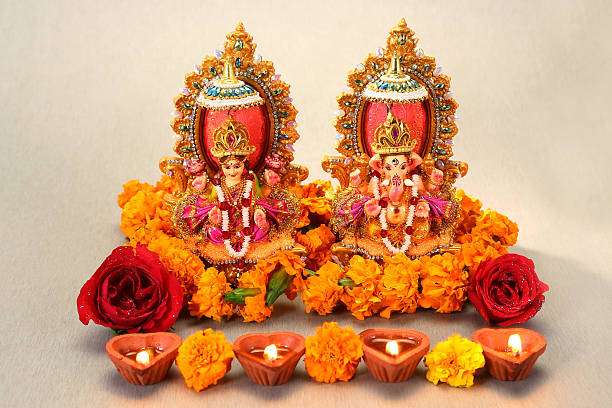
On Diwali, people of all ages wear new clothes, and light diyas, and fill their homes with richness and warmth. The festival is dedicated to Goddess Lakshmi, who is believed to bring wealth and prosperity. People also take part in activities such as playing cards, gambling, and eating sweets. These activities are believed to bring good luck and fortune in the upcoming year.
On the spiritual level, Diwali is a time for reflection and contemplation. It is an occasion to recognize the true nature of reality, to be grateful for one’s blessings, and to renew the inner spark that leads to self-realization. Diwali teaches us to recognize our potential for spiritual progress and to cultivate the qualities that lead to perfect equanimity and joy.
All in all, Diwali is a beautiful festival that brings people together and allows them to reflect on the true nature of life. By fulfilling our moral responsibilities and taking part in spiritual practice, we can celebrate Diwali in the most meaningful way. Let’s get together and celebrate the victory of light over darkness.
Diwali, the Festival of Lights, is an important celebration in the Hindu community. It marks the spiritual victory of light over darkness, knowledge over ignorance, and goodness over evil. As such, the festival is celebrated with many symbols and traditions that are unique to the Indian culture. From traditional sweets, colorful decorations, and fireworks to the ritual lighting of diyas and recreating the Ramayana story, Diwali is full of customs and rituals that have been observed for generations.
The date of Diwali changes each year because it is based on the Hindu lunisolar calendar. It always falls between mid-October and mid-November and is usually celebrated for five days. The festivities begin with Dhanteras, which is followed by Naraka Chaturdashi. The main day of Diwali is the third day, Lakshmi Puja, which is dedicated to the Goddess of Wealth. On the fourth day, family and friends come together to celebrate with delicious food, gifts, and decorations. The fifth day, Govardhan Puja, is observed in temples as well as at home.
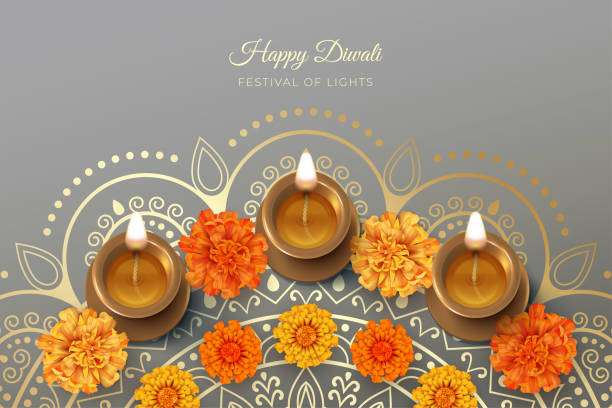
Lighting diyas is an important part of the Diwali celebrations. People light diyas in their homes, temples, and businesses to welcome Goddess Lakshmi and ward off evil. The diyas are also lit as a reminder that knowledge and truth will always prevail over ignorance and injustice. This gesture of lighting ideas in honor of the Goddess is also symbolic of bringing joy, wealth, and prosperity into one’s life.
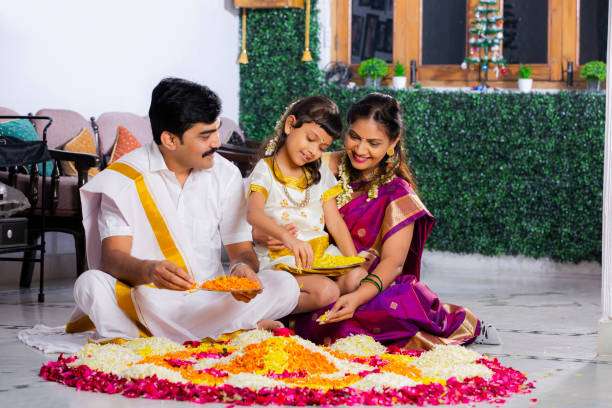
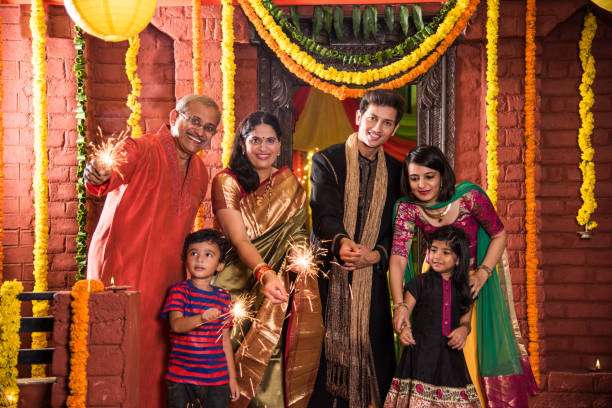
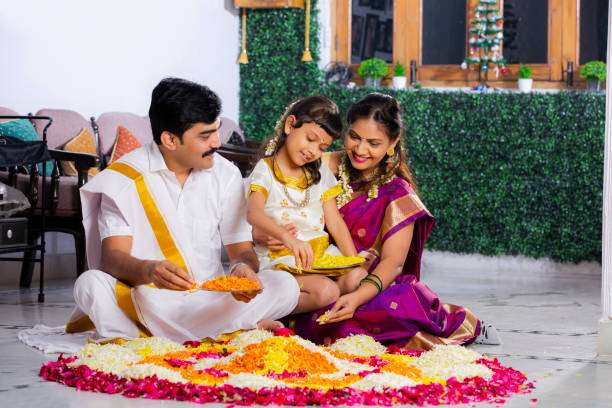
Another important Diwali tradition is the Rangoli. Rangoli is a colorful and intricate pattern that is created on the floor using colored rice, flour, or sand. This is done to welcome family, friends, and guests into one’s home. Apart from this, rangoli is also used for decoration in temples and homes. Diwali is also celebrated with fireworks, which are meant to signify the joy and celebration of the festival.
Apart from the religious aspect, Diwali is also a time for family and friends to come together and enjoy each other’s company. People exchange gifts, have festive feasts, and celebrate the festival with laughter and joy. Diwali is one of the most important and widely celebrated festivals in India, and its important meanings and traditions are passed down from generation to generation.
Diwali is a beautiful celebration that embodies the values of community, light, and life. Through the lighting of diyas, the recreating of the Ramayana story, and the exchanging of gifts, Diwali is a special occasion that bridges cultures and brings people together. The Festival of Lights is an occasion for joy, celebration, and reflection on the power of light to overcome darkness.
Exploring the Cultural Significance of Diwali: A Celebration of Light, Life, and Community
The celebration of Diwali, known as the "Festival of Lights," has long been a part of Indian culture and Hinduism. Its traditions and celebrations are steeped in significance and history. This festival marks a time to recognize the victory of good over evil, the power of knowledge, and the importance of community. Join us in exploring the cultural richness behind Diwali, a celebration with traditions of lighting lamps, offering puja and exchanging gifts. Discover the symbolic meaning behind the rituals, the history and its impact on the modern Indian community, and the sweet treats and decorations that make Diwali so special.
The Meaning Behind Diwali: Exploring Its Cultural Significance
One of the most important festivals celebrated in India, Diwali is a time of fun, festivities, and celebration. While the festival marks the victory of good over evil, light over darkness, and knowledge over ignorance, it is much more than that. Diwali is a time full of joy and significance, with its cultural roots deeply rooted in Hindu mythology and beliefs.
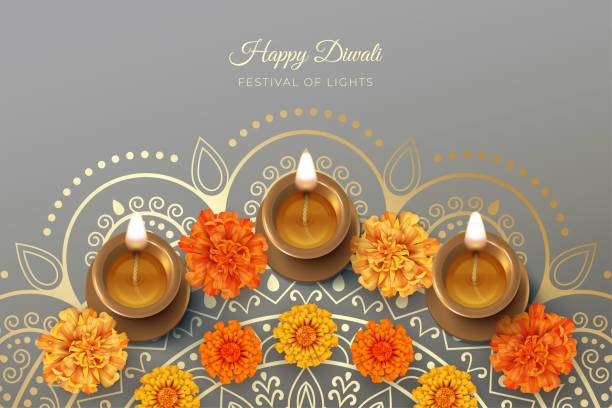
The festival of Diwali is celebrated for five days, starting from the 13th day of the dark fortnight and ending on the second day of the bright fortnight of the Hindu lunar month of Kartika. On the first day of the festival, households are adorned with diyas, prayer rituals are performed, and firecrackers are lit up to symbolize the destruction of evil. On the second day, Lakshmi puja is performed and people offer prayers
to the goddess Lakshmi, the goddess of wealth, prosperity, and good fortune. The third day of the festival is the most important one as it marks the start of the New Year in the Hindu calendar. On this day, people exchange gifts, celebrate with friends and family, and decorate their homes with diyas and rangoli.
Apart from its religious significance, Diwali also has a great cultural significance in India. It is a time to celebrate new beginnings and cherish special moments with loved ones, thus highlighting the importance of bonding and relationships. Diwali is also a time for renewal and forgiveness and a great opportunity to start afresh. On this day, people exchange sweets and gifts as a gesture of love and goodwill, while festivities and gatherings bring the whole country together.
In conclusion, Diwali is a festival that has its own unique significance. It is a celebration of light over darkness, good over evil, and knowledge over ignorance, while also being a time to celebrate new beginnings, renew relationships, and enjoy the company of family and friends. So, the next time you are celebrating Diwali, make sure to keep its cultural and religious significance in mind.
Diwali: A Celebration of Light, Life, and Community
Diwali is one of the most important and widely celebrated festivals in India. It’s a five-day celebration that marks the triumph of light over darkness, knowledge over ignorance, good over evil, and understanding over ignorance. As such, it is one of the most colorful and joyous festivals celebrated in India and other parts of the world with large Hindu populations.
Diwali is celebrated with great enthusiasm and joy and it is a time of renewal for the community. On this day, families clean and decorate their homes with colorful lights and decorations. People light diyas or oil lamps and the lighting of these lamps is symbolic of the victory of light over darkness. Fireworks are lit and prayers are offered in temples, churches, and mosques.
On Diwali, people exchange sweets and gifts with one another. This exchange is a reminder of their love and respect for one another and the importance of community. Many people also take part in charity work during Diwali, such as donating food, money, or clothes to the less fortunate. This act of giving shows that no one should be left out and all people, no matter their socio-economic status, should be treated with respect and dignity.
Diwali is a time of togetherness and an occasion to strengthen the bonds between family and friends. People visit each other’s homes and share food and gifts. It is a time to remember the importance of being together and to remind each other of the joys of life.
Diwali is a celebration of light, life, and community. It is an opportunity to rejuvenate, reflect, and strengthen the bonds of friendship and love. This festival brings out the best in people, reminding them of the importance of caring for one another and the beauty of living in the community.
The Traditions and Celebrations Behind Diwali
Diwali is an ancient Hindu festival that is celebrated over a period of five days each year. Originally, it was a harvest festival that marked the return of Lord Rama from his 14-year exile and his victorious battle over Ravana. Now, it is celebrated as a festival of lights, joy, and renewal.
The Diwali festival signifies the victory of good over evil and is celebrated in India, Nepal, Sri Lanka, Myanmar, Mauritius, Guyana, Trinidad, Tobago, Surinam, Malaysia, Singapore and Fiji. It is celebrated
with a lot of enthusiasm by Hindus, Jains, and Sikhs worldwide. Diwali is known as the biggest and most important holiday in the Hindu calendar.
The festivities kick off with Dhanteras, which is celebrated two days before Diwali. It is a celebration of wealth and prosperity. On this day, people clean and decorate their homes, purchase gold, silver, and new clothes, and make rangoli designs in front of their houses.
The second day of Diwali is the main festival day. It is known as Naraka Chaturdashi or Chhoti Diwali. On this day, people clean and decorate their homes with lights, candles, lanterns, diyas, and rangoli. They exchange sweets and gifts with friends and family. After sunset, firecrackers are lit, and people gather around to watch the fireworks and celebrations.
The third day of Diwali is known as Lakshmi Puja. This is a special day dedicated to the goddess of wealth and prosperity. People clean and decorate their homes again and perform a puja to the goddess at night. After the puja, they offer delicious food and sweets to the goddess.
The fourth day is dedicated to Govardhan Puja. On this day, people celebrate by worshipping Lord Krishna and making small mounds of food, which symbolize Mount Govardhan. They place diyas and lamps on the mound and offer them to Lord Krishna.
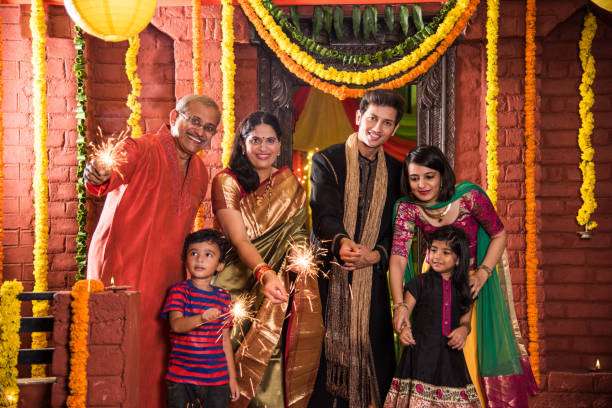
The last day of Diwali is known as Bhai Dooj or Bhaiya Dooj. On this day, brothers visit their sisters and offer gifts and sweets. Sisters pray for their brother's long life and prosperity and perform the Tilak ceremony.
Diwali is a five-day festival that celebrates the triumph of light over darkness and is a time of joy, renewal, and celebration for all Hindus. It is a wonderful time for families and friends to come together and share the festivities with a spirit of harmony and peace.
Discovering Diwali: A Look at Its Cultural Significance
Diwali, or Deepavali, as it is known in India, is a five-day holiday celebrated throughout the country. Diwali, which takes place in autumn or winter, is the most popular and widely celebrated of Hindu festivals. It symbolizes the spiritual victory of light over darkness, knowledge over ignorance, and hope over despair.
Diwali is celebrated in numerous ways throughout India, but each region celebrates in its own unique way. During Diwali, millions of lamps are lit signifying the triumph of good over evil and the power of knowledge over ignorance. Diwali also marks the beginning of the Hindu New Year. For this reason, many people take part in a traditional exchange of gifts as a symbol of goodwill and prosperity.
The festival begins with the first day of Diwali, or Dhanteras, which is dedicated to the goddess of wealth. On this day, people purchase gold or silver items as offerings. The second day of Diwali is Naraka Chaturdashi, which is celebrated as the day when the demon Narakasura was defeated by Sri Krishna and his wife. On this day, houses are decorated with lights and flowers, and fireworks are set off to celebrate Narakasura’s defeat.
The third day is the most important day of Diwali. On this day, Lakshmi Puja is performed and lamps are lit as an offering to the goddess of wealth and prosperity. The fourth day of Diwali is dedicated to Bali, the demon king defeated by Vishnu. This day is known as Govardhan Puja in some parts of India. On this day, people make and offer cow dung cakes to gods and goddesses as a symbol of gratitude and reverence.
The fifth day of Diwali is the day of Yama Dwitiya, the day of the god of death. On this day, people remember their ancestors and offer them food and flowers.
Diwali is seen as a joyous and festive time of year in India. It is a time for celebration, family gatherings, feasting, and gift exchanges. People celebrate Diwali to remember the victory of good over evil and to signify the beginning of the Hindu New Year. The festival of Diwali is celebrated with great enthusiasm throughout India and has become an important part of the cultural fabric of the country.
The History of Diwali and Its Cultural Relevance
Diwali is one of the most popular and important festivals across many parts of India. It is an ancient festival that is steeped in Hindu mythology and is celebrated with great enthusiasm in many parts of the world, especially India.
Diwali is a five-day festival that is celebrated between mid-October to mid-November, depending on the Hindu lunar calendar. It is believed to have originated during the Vedic period and is related to the story of the triumphant return of Lord Rama who had defeated the demon Ravana. It marks the victory of light over darkness, knowledge over ignorance, and good over evil. The festival is generally celebrated with firecrackers, lights, and festivities.
The literal meaning of the word Diwali is “rows of lighted lamps”. On Diwali, hundreds of lamps are lit in homes and temples across India. The lamps signify the triumph of knowledge over ignorance and the victory of good over evil. People celebrate Diwali by wearing new clothes, exchanging gifts, and decorating their homes and offices with beautiful lights and decorations.
The cultural relevance of Diwali is deeply rooted in the history and mythology of India. It is believed that on this day, the gods shower their blessings on the world and bring peace, joy, and prosperity. The festival symbolizes the victory of hope over despair, joy over sorrow, and victory over death.
Diwali is celebrated in many different ways across different states in India. In northern India, Diwali is celebrated with a special puja in the morning and fireworks in the evening. On the other hand, in the South, people offer prayers to the gods and burn crackers during Diwali.
No matter how Diwali is celebrated, it has remained an integral part of India’s culture and tradition. Diwali has become a symbol of hope, joy, and light that is embraced by all, wherever they may be. It is a time for people to come together and celebrate the values and teachings of Hinduism, and the unity of the human race.
Celebrating Diwali with Friends and Family: A Look at Its Cultural Significance
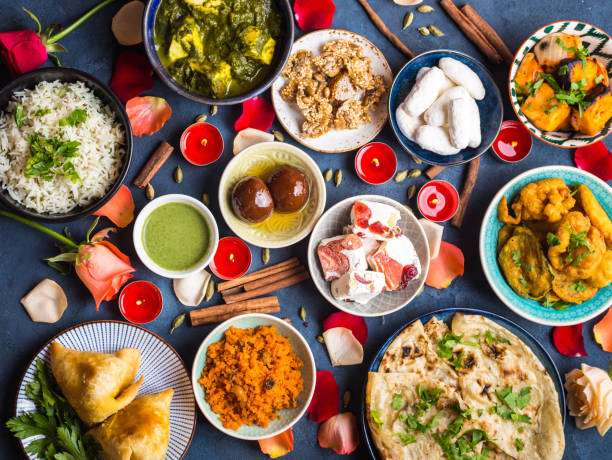
Diwali is a vibrant and joyous occasion that brings people from different backgrounds together to celebrate the triumph of good over evil and the victory of light over darkness. It is celebrated with grandeur and enthusiasm all over India and is also known as the 'festival of lights'. Every Diwali, friends, and family gather to light diyas, decorate homes, prepare sweet treats, and exchange gifts. But apart from being a joyous festival, Diwali has deep cultural significance, and its customs encapsulate the essence of India’s rich heritage and culture.
Diwali is celebrated to commemorate the return of Lord Rama and his wife Sita—who were exiled for fourteen years—from the forest to their kingdom of Ayodhya. It is said that people lit up the entire kingdom with diyas and celebrated the divine victory of Lord Rama over Ravana, the adversarial king of Lanka.
The customs of Diwali are alive with symbolism and deeper meaning. For instance, the lighting of diyas is an age-old tradition that signifies the purification of darkness and the ushering in of peace, prosperity, and joy. Similarly, decorations with mango leaves and colorful rangolis signify the importance of auspiciousness. The sweets and delicacies used for festive feasts signify the abundance of life and the importance of sharing it with loved ones.
Diwali is also a time of charity and good deeds. People donate food, clothing, and other items to those in need. This embodies the age-old value of compassion for those who are less fortunate. This practice also reinforces the importance of humility in the face of wealth and prosperity.
Finally, the custom of exchanging gifts has an important role in the festivities. It symbolizes the spirit of giving and how gifts are a reflection of one’s love and care for one another.
Diwali is a time of celebration and merriment, but its customs have deeper cultural and spiritual significance. Its practices represent the strength of family and community values, the importance of compassion, and the joy of generosity. This is why Diwali is such a special occasion that is celebrated by so many people from around the world.
Exploring the Rich Heritage of Diwali
Diwali, also known as the festival of lights, is a very important festival in India. It is celebrated by millions of people across the country and is an integral part of the cultural heritage that binds its people together.
Diwali has a remarkable history, which goes back more than two and a half millenniums. The exact date for the celebration of Diwali has varied over time but the festival is generally celebrated on the 15th day of Kartika, which usually falls in late October or early November. Diwali is celebrated in honor of several different stories, myths, and deities. Most notably, it celebrates the victory of Lord Rama over Ravana, as recorded in the epic story of the Ramayana. This victory is symbolically represented by the lighting of lamps and fireworks on Diwali night, signifying the victory of light over darkness.
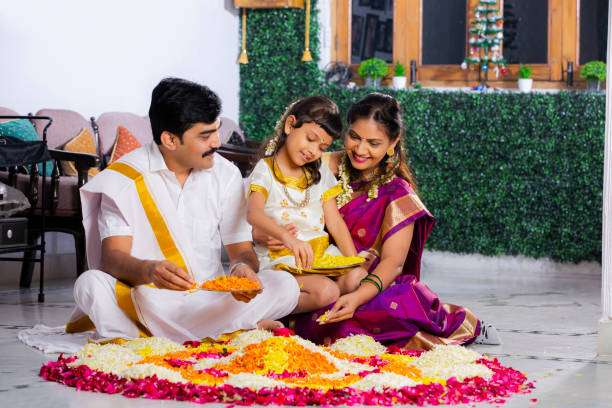
Diwali is also a unique social occasion where families and friends come together and celebrate with an exchange of gifts and sweets. Traditional Diwali rituals include the decoration of homes, the lighting of earthen diyas and candles, the creation of Rangoli designs, and partaking in pujas or prayers to various gods and goddesses.
Diwali also has a strong economic impact, with an incredible surge in spending during the festival, particularly on things like clothes, consumer electronics, and home decorations. During the Diwali period, merchants across India offered discounted goods and services, making it a great time to shop.
Diwali symbolizes the triumph of good over evil and is an excellent way to celebrate India’s cultural heritage. The festival is not only seen as a way to honor Hindu gods and goddesses but also as a way to remember the importance of family, friends, and togetherness.
In conclusion, Diwali is an extraordinary festival with a rich history and a unique cultural significance. Whether celebrated in a traditional manner or in a modern way, Diwali continues to bring joy and light to millions of people across India and other nations.
Celebrate Diwali – Enjoy the Festival of Lights
Diwali is a popular festival celebrated throughout India, commemorating the return of Lord Rama. As part of this traditional Hindu celebration, there is a great emphasis on lights, colors, and community. Join us in celebrating this ancient festival, and learn more about the cultural and spiritual significance behind Diwali.
• Learn about the historical and spiritual context of Diwali
• Explore the traditions, rituals, and decorations of Diwali
• Experience the joy of gathering with friends and family
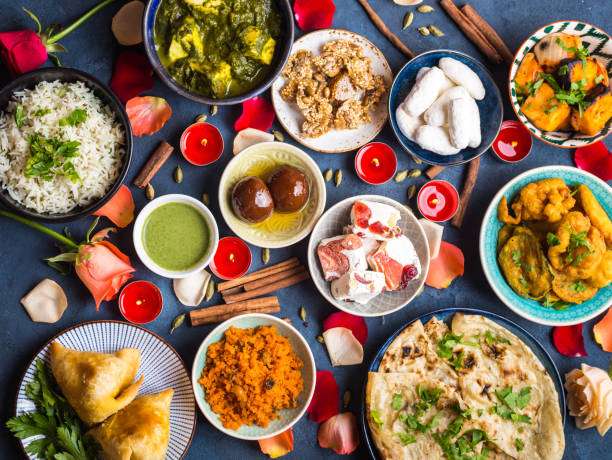
• Taste traditional Diwali sweets and delicacies
• Discover the many symbols and significances of Diwali
Summary
- Diwali is a Hindu festival that celebrates the victory of good over evil, light over darkness, and knowledge over ignorance.
- It is a five-day festival celebrated in mid-October or November, with the first day being Dhanteras, the second day being Naraka Chaturdashi, and the third day being Lakshmi Puja (the main day).
- People light up their homes and temples with diyas and lanterns, exchange gifts and sweets, and participate in activities such as playing cards, gambling, and eating sweets to bring good luck and fortune in the upcoming year.
- The festival is dedicated to Goddess Lakshmi, who is believed to bring wealth and prosperity and teaches us to recognize our potential for spiritual progress and cultivate qualities that lead to perfect equanimity and joy.
FAQS
1. What is Diwali?
Diwali is an ancient Indian Hindu festival of lights, typically celebrated annually. It symbolizes the spiritual victory of light over darkness, knowledge over ignorance, and good over evil.
2. What are the traditions and celebratory activities associated with Diwali?
The traditional Diwali activities include lighting diyas, or small oil lamps, in the home, exchanging gifts, lighting firecrackers, and performing puja (a prayer ritual).
3. How is Diwali typically celebrated?
Diwali is traditionally celebrated by family and friends with both religious and social activities. This could include decorating the house, donating to charity, performing puja, preparing traditional sweet dishes, and lighting firecrackers.
4. What cultural significance does Diwali have?
Diwali is a celebration of light, life, and community. It is seen as a time for renewal, and an opportunity for people to come together and strengthen their bonds with family and friends.
5. What is the history of Diwali?
Diwali has been celebrated for more than 2,000 years in India. It is believed that the festival commemorates Lord Rama's victory over the demon king Ravana, and his return to the kingdom of Ayodhya after 14 years in exile.