
Celebrate Diwali: All About the Indian Festival of Lights
September 12, 2023
Welcome to a post about Diwali - the most joyous and important festival celebrated in India and other surrounding countries. In this post, you'll find answers to questions like 'What is Diwali?', 'When is Diwali celebrated?', 'What are the traditional activities during Diwali?', 'How can we celebrate Diwali?', and 'What is the importance of Diwali?'. Read on to learn more about this festive occasion and to discover some of the best ways to celebrate it.
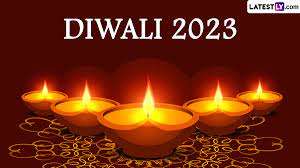
How Can We Celebrate Diwali?
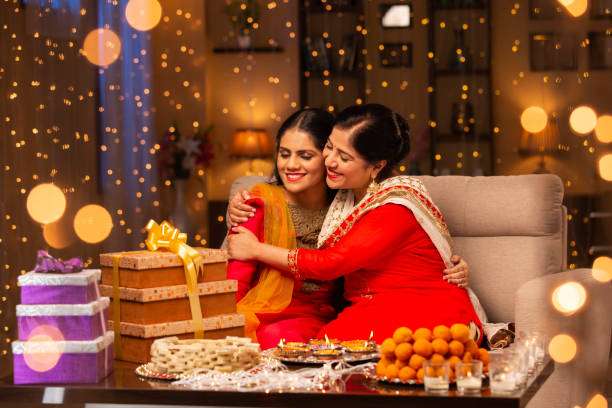
Diwali, also known as the Festival of Lights, is celebrated with great joy and enthusiasm by many Hindus, Jains, Sikhs, and some Buddhists. The best way to mark the occasion is by cleaning and decorating homes, creating Rangoli patterns on the floor with rice flour, colored sand, or flower petals, and lighting earthen lamps (diyas), candles, and/or fairy lights. The festival is also marked by performing prayer and offering puja, wearing traditional clothes, exchanging gifts, feasting, fireworks and firecrackers (with due consideration to safety and environmental concerns), visiting relatives and friends, engaging in charitable acts, attending cultural events, lighting lamps in public places, and reflecting on the past year. People may celebrate differently depending on their personal preferences, regional customs, and religious beliefs, so it is important to respect each other's traditions.
Celebrating Diwali, also known as the Festival of Lights, is a wonderful and joyous occasion for many people. It holds cultural and religious significance for Hindus, Jains, Sikhs, and some Buddhists.
Cleaning and Decorating Homes: Begin by thoroughly cleaning and decorating your home. This symbolizes the spiritual cleansing of one's self and surroundings.
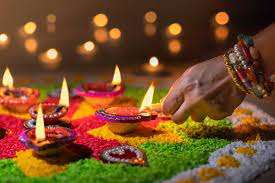
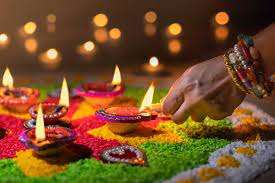
Rangoli: Create colorful patterns on the floor using rice flour, colored sand, or flower petals.
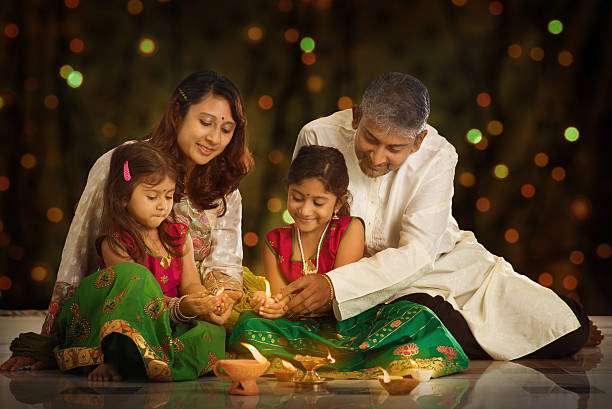
Lighting Diyas and Candles: Light earthen lamps (diyas), candles, and decorate your home with fairy lights to symbolize the triumph of light over darkness.
Puja (Prayer) and Offerings: Perform a special Diwali puja at home or in a temple. Offer prayers to deities like Goddess Lakshmi, Lord Ganesha, and other gods and goddesses.
Dress in Traditional Attire: Wear new or traditional clothes. This is a common practice during Diwali.

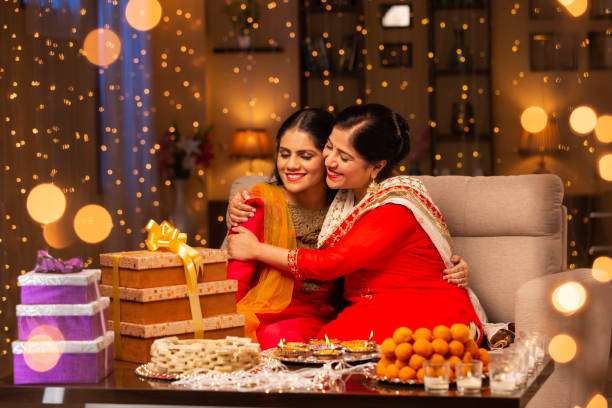
Exchanging Gifts: Give and receive gifts as a token of love and appreciation for family and friends.
Feasting: Prepare special festive dishes and sweets. Sharing food with loved ones is an important part of Diwali celebrations.
Fireworks and Firecrackers: In some regions, people celebrate with fireworks and firecrackers. However, it's important to consider safety and environmental concerns.
Visiting Relatives and Friends: Spend time with family and friends. Visit the homes of relatives and share the joy of the occasion.
Perform Acts of Charity: Help those in need by donating food, clothes, or money. This is a way to spread the joy of Diwali with those less fortunate.
Attending Cultural Events: Participate in local events, such as Diwali melas (fairs) or cultural programs organized by communities.
Lighting Lamps in Public Places: Contribute to the collective celebration by lighting lamps in public spaces, promoting a sense of community.
Reflect and Set Intentions: Take some time for introspection, set goals, and express gratitude for the past year.
Play Games: Engage in traditional games like cards, rummy, or other board games with family and friends.
Watch Diwali Special Programs: Enjoy special TV programs, movies, or cultural events that are broadcasted during Diwali.
Remember, the way you celebrate may vary depending on personal preferences, regional customs, and religious beliefs. It's important to respect the traditions of others while celebrating.
What is Diwali?
Diwali is one of the most celebrated and important festivals in Hinduism, as well as being observed in Jainism, Sikhism, and some Buddhist cultures. This festival of light is held over five days, although the day of major observance may vary due to regional and cultural differences. It symbolizes the victory of light over darkness, good over evil, and knowledge over ignorance. There are various legends told about this festival, with the most common being about Lord Rama returning to Ayodhya, Lord Krishna defeating Narakasura, and Lord Mahavira attaining nirvana. Decorations, lamps, candles, lights, and special dishes and sweets all feature in the celebration, and gifts are exchanged to show love and appreciation. Fireworks and firecrackers also occur in some regions, as do prayer and puja rituals to seek blessings. Families and communities come together for festive meals and charitable acts, and there are many regional and cultural variations to the observances. All in all, Diwali is a time of joy, unity, and spiritual reflection as we celebrate the transition from darkness to light.
Diwali, also known as Deepavali, is one of the most important and widely celebrated festivals in Hinduism. It is also observed by Jains, Sikhs, and some Buddhists. The festival usually lasts for five days, although the main day of celebration varies depending on the region and specific cultural traditions.
Here's an overview of the significance and customs associated with Diwali:
1. Significance:
Victory of Light over Darkness: Diwali symbolizes the triumph of light over darkness, good over evil, and knowledge over ignorance. It is a celebration of the positive forces in the world.
Various Legends: Different regions in India and different communities have specific legends associated with Diwali. The most common are the return of Lord Rama to Ayodhya after defeating Ravana, the defeat of the demon Narakasura by Lord Krishna, and the attainment of nirvana by Lord Mahavira in Jainism.
2. Celebrations:
Decorations: Homes and public spaces are decorated with colorful rangolis (intricate designs made with colored powders), lamps, candles, and fairy lights. This is to create a festive and welcoming atmosphere.
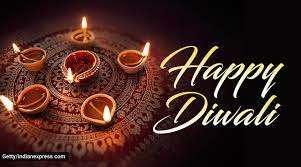
Lamps and Candles: Lighting lamps and candles is a central aspect of Diwali. It represents the dispelling of darkness and the spreading of light and positivity.
Sweets and Feasting: Families prepare special dishes and sweets, exchange them with neighbors and relatives, and enjoy festive meals together.
Gifts and Exchanges: People exchange gifts as a symbol of love and affection. It's a way of showing appreciation and strengthening bonds.
Fireworks and Firecrackers: In some regions, especially in India, fireworks and firecrackers are a significant part of the celebration, adding to the festive atmosphere.
Prayers and Puja: Families gather for prayers and perform special pujas (religious rituals) to seek blessings from deities associated with Diwali, such as Goddess Lakshmi for wealth and prosperity.
Charitable Acts: Many people engage in acts of charity and goodwill during Diwali, helping those in need and spreading kindness.
3. Regional and Cultural Variations:
Different regions and communities have unique customs and legends associated with Diwali, leading to a rich tapestry of traditions across India and in various parts of the world where Diwali is celebrated.
Overall, Diwali is a time of joy, unity, and spiritual reflection. It is a time for families to come together, for communities to celebrate together, and for individuals to reflect on the triumph of light and goodness over darkness and negativity.
When is Diwali celebrated?
Diwali, also known as Deepavali, is a festival that falls on different dates each year, following the Hindu lunar calendar. The exact date of celebration depends on the region and the traditions of the community, and changes depending on the specific lunar month each year. To determine the date of Diwali in a particular year, I need to know the current year. My knowledge covers up to September 2021, so if it is after that, please let me know the current year.
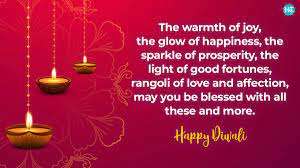
Diwali, also known as Deepavali, is celebrated on different dates each year, as it follows the Hindu lunar calendar. The festival typically falls in either October or November. The exact date varies depending on the lunar month and the specific traditions followed by different regions and communities.
To provide a more specific date for Diwali in a given year, I would need to know the current year. If you provide me with the current year, I can calculate the approximate date of Diwali for that year based on the lunar calendar. Keep in mind that my knowledge is current up until September 2021, so if it is after that date, please let me know the current year.
What are the traditional activities during Diwali?
Cleaning, decorating, and rangoli-making are all part of the traditional activities observed during Diwali. People light diyas, candles, and oil lamps, often accompanied by prayers and offerings. Traditional attire is worn, and gifts are exchanged with family and friends. Feasting, firework displays, and acts of charity are also popular. People also visit relatives and friends, light lamps in public places, and play traditional games. Local Diwali melas and cultural programs are also attended, and decorative art and craftwork is showcased. Sweet and savoury treats are shared, and people take the time to reflect and set intentions. Special TV programs and movies are also aired during this time. All of these customs and activities combine to create a festive and spiritually meaningful atmosphere, and foster a sense of community and togetherness.
Traditional activities during Diwali vary across different regions and communities, but there are several common practices that are widely observed:
Cleaning and Decorating Homes: Thoroughly cleaning homes and decorating them with rangoli, lamps, candles, and fairy lights.
Wearing Traditional Attire: Donning new or traditional clothes, often in vibrant colors.
Exchanging Gifts: Gifting sweets, clothes, and other items to family and friends as a symbol of love and goodwill.
Visiting Relatives and Friends: Spending time with family and friends, and visiting the homes of relatives to share the joy of the occasion.
Performing Acts of Charity: Donating food, clothes, or money to those in need as a way to spread the joy of Diwali with the less fortunate.
Attending Cultural Events: Participating in local events like Diwali melas (fairs) or cultural programs organized by communities.
Lighting Lamps in Public Places: Contributing to the collective celebration by lighting lamps in public spaces, promoting a sense of community.
Playing Traditional Games: Engaging in traditional games like cards, rummy, or other board games with family and friends.
Displaying Decorative Art and Craftwork: Showcasing traditional and handmade crafts like torans (door hangings), wall hangings, and lanterns.
Offering Sweets and Savories: Gifting and sharing traditional sweets and savories like ladoos, kaju katli, and murukku.
Watching Diwali Special Programs: Enjoying special TV programs, movies, or cultural events that are broadcasted during Diwali.
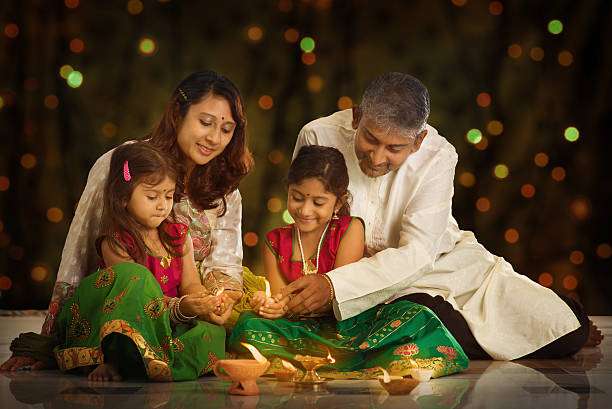
These traditional activities serve to create a festive and spiritually meaningful atmosphere, while also fostering a sense of community and togetherness. Remember to respect regional customs and religious beliefs when participating in Diwali celebrations.
What is the importance of Diwali?
Diwali is a profoundly meaningful festival with spiritual, social, cultural, and economic relevance. It celebrates the triumph of light over darkness, with Lord Rama’s return to Ayodhya symbolizing good overcoming evil. During Diwali, Hindus worship Goddess Lakshmi for her blessings of prosperity and abundance, and Lord Ganesha for his removal of obstacles. It also encourages families to come together, strengthening bonds and fostering unity. Furthermore, Diwali is celebrated by multiple religious backgrounds, promoting cultural diversity and unity. It is a time for renewal, harvest, and new beginnings, and it provides a great economic boost, especially through the exchange of gifts and festive items. Despite its popularity, there is an increasing concern for its potential environmental impact, urging people to find more eco-friendly ways to observe the event. On top of that, Diwali is now celebrated by Indian communities worldwide, fostering cultural exchange and understanding. Ultimately, Diwali stands as a reminder to focus on love, light, and positivity, and to appreciate all life's blessings with joy and gratitude.
Diwali, also known as Deepavali, holds significant cultural, religious, and social importance for several communities across India and around the world.
Spiritual Significance: For Hindus, Diwali is linked to several religious stories and legends. The most common one is the return of Lord Rama to Ayodhya after defeating the demon king Ravana, symbolizing the victory of good over evil.
Symbol of Light over Darkness: Diwali is often referred to as the Festival of Lights. The lighting of lamps and candles signifies the triumph of light (knowledge, wisdom, and goodness) over darkness (ignorance, negativity, and evil).
Goddess Lakshmi Worship: Diwali is associated with the worship of Goddess Lakshmi, the deity of wealth, prosperity, and abundance. People seek her blessings for financial success and well-being.
Lord Ganesha Worship: Lord Ganesha, the elephant-headed deity, is also revered during Diwali. He is considered the remover of obstacles and is worshipped for auspicious beginnings.
Family Reunion and Togetherness: Diwali encourages families to come together, strengthening bonds and fostering a sense of unity and belonging.
Cultural Significance: Diwali is celebrated by people of various religious backgrounds, including Hindus, Jains, Sikhs, and some Buddhists. It promotes cultural diversity and unity.
Renewal and New Beginnings: The festival signifies a time of renewal, where people make efforts to leave behind old, negative habits and embrace positivity and goodness.
Celebration of Harvest: In some regions, Diwali marks the end of the agricultural season and the beginning of the new harvest season. Farmers offer thanks for the harvest and seek blessings for a prosperous year ahead.
Economic Significance: Diwali is a major economic event as it involves the exchange of gifts, increased shopping, and spending on festive items, contributing to the local economy.
Environmental Awareness: There is a growing awareness about the environmental impact of fireworks, prompting some communities to celebrate in more eco-friendly ways.
Global Celebration: Diwali is celebrated by Indian communities and people of Indian descent around the world, promoting cultural exchange and understanding.
Promotion of Joy and Positivity: Diwali is a time of joy, celebration, and spreading happiness. It encourages people to focus on positive emotions and experiences.
Overall, Diwali is a multifaceted festival that encompasses spiritual, cultural, social, and economic dimensions, promoting values of love, light, and compassion. It is a time for reflection, gratitude, and the celebration of life's blessings.
Summary
- Diwali is a festival celebrated in India and surrounding countries
- It is celebrated with great joy and enthusiasm by Hindus, Jains, Sikhs, and some Buddhists
- Traditional activities include cleaning and decorating homes, creating Rangoli patterns, lighting earthen lamps, offering prayers, wearing traditional clothes, exchanging gifts, feasting, and engaging in charitable acts
- People celebrate differently depending on their personal preferences, regional customs, and religious beliefs, so it is important to respect each other's traditions
- The festival is also marked by performing prayer and offering puja, visiting relatives and friends, attending cultural events, lighting lamps in public places, and reflecting on the past year
- In some regions, people celebrate with fireworks and firecrackers, but it's important to consider safety and environmental concerns
- Watching special programs, playing games, and participating in cultural events are also important parts of the festival
- Remembering and remembering the way you celebrate may vary depending on personal preferences and regional customs.
In light of recent events involving Ashton Kutcher and Mila Kunis, we at www.sanjaylathiya.com want to take a moment to remind everyone about the importance of responsible communication.
As Kutcher and Kunis have recently apologized for their letters to the judge in Danny Masterson's trial, we want to stress the significance of understanding the impact of our words and actions.
Our key service, is a prime example of how we strive to uphold the highest standards of integrity and accountability in all our dealings. This service is designed to protect your online presence from unauthorized access, ensuring that your digital footprint is secure and responsible.
Just as Kutcher and Kunis have realized the repercussions of their actions, we encourage everyone to be mindful of their digital interactions. Remember, what we post online can have far-reaching effects and may not always be received as intended.
At www.sanjaylathiya.com, we are committed to promoting responsible online behavior and providing top-notch security for your digital presence. Let's all learn from this incident and strive to communicate more responsibly in the future.
#SanjayLathiya #403Forbidden #OnlineSecurity #ResponsibleCommunication
FAQS
1. What is Diwali?
Diwali is an ancient Hindu festival celebration, also known as the Festival of Lights, that honors the victory of light over dark, good over evil, and knowledge over ignorance.
2. When is Diwali celebrated?
Diwali is usually celebrated in October or November.
3. What are the traditional activities during Diwali?
Traditional activities during Diwali include lighting of Diyas or lamps, decorating the home, setting off firecrackers, exchanging gifts and sweets, and performing religious ceremonies.
4. How can we celebrate Diwali?
Celebrations of Diwali can include decorating with Diyas or lamps, exchanging gifts, preparing and sharing a feast, performing religious ceremonies, setting off firecrackers, and having fun with friends and family.
5. What is the importance of Diwali?
Diwali is a symbol of victory of light over darkness, good over evil, and knowledge over ignorance. It is a festival that marks the start of the Hindu New Year and celebrates the triumph of divine forces over evil