

Can Exercise Really Stop Hair Loss? The Surprising Science Behind Fitness & Hair Health
June 16, 2025
Can Exercise Really Prevent Hair Loss? The Science of Fitness & Hair Health Explained
When people set health goals, they usually focus on losing pounds, getting stronger, or improving their endurance. Hair health rarely makes the list, yet regular movement can protect those precious strands. Believe it or not, the way you sweat can slow down hair loss. Well-planned workouts push blood to your scalp, even out hormones, tame stress, and deliver the vitamins your follicles crave. That is why asking, Does exercise really stop hair loss? is worth your time. In the lines that follow, we will break down the gym-hair link and show you a simple, scalp-friendly routine you can start today.How Exercise Helps Hair Grow
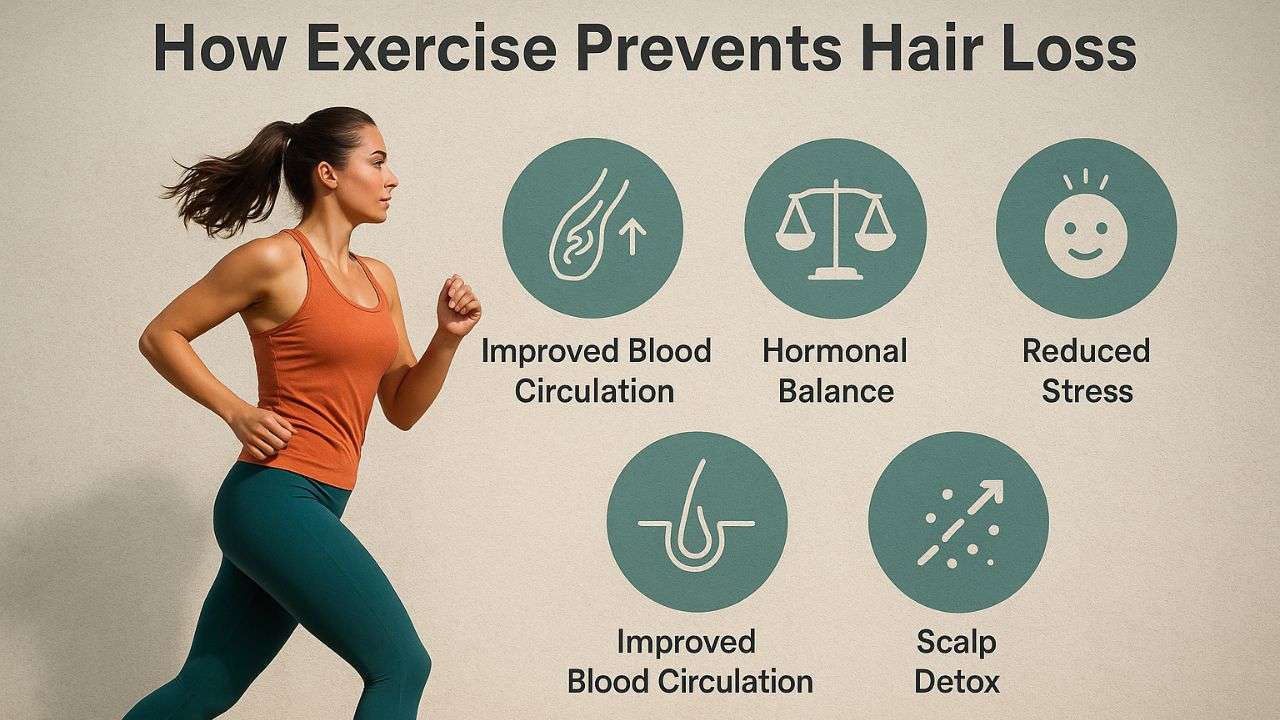
For a lot of people, getting sweaty at the gym is mostly about torching calories or scoring tighter biceps. Those wins are cool, sure, but the upside reaches way past the mirror. Let us break down a few lesser-known bonuses that give your scalp and strands a solid boost.1. Better Blood Flow
Whether it's a set of squats, a fast jog, or a long yoga stretch, your heart works harder every time. When that happens, blood vessels open up and carry extra oxygen, vitamins, and antioxidants straight up to your head. Stronger circulation gives hair follicles the fuel they need, so they can grow thicker and last longer.
2. Balanced Hormones
Staying active helps keep the worry hormone in check while also lowering androgens like DHT, a culprit in male and female pattern baldness. That hormonal sweet spot stops shredding caused by hormones, making exercise a simple shield against thinning hair.
3. Stress Relief
Stress and hair fall are best friends nobody wants. Because moving your body floods the brain with the feel-good chemicals-road rage, homework drama, or breakup blues shrink pretty fast. Less cortisol over months means less telogen effluvium (that scary shedding) and a longer, sturd-er growth stage called anagen.
4. Sweating Out the Gunk
When you break a sweat, your body pushes out some of the chemicals and grime that get trapped in your scalp. That little cleanup leaves your pores open, so hair follicles get more room to breathe and less chance of snapping off.
5. Better Eats and Bigger Gains
Moving your body more usually makes you think about what you put in it. Pair workouts with meals loaded with lean protein, veggies, and good fats, and each strand soaks up the stuff it needs to grow thick and strong.
Why Getting Moving Matters for Blood Flow
Good blood flow is like the entire system that keeps your scalp and hair alive and kicking. Here are three ways circulation steps up.Fresh Oxygen and Fuel: When your heart pumps harder, oxygen-rich blood zooms to the follicles, powering the fast cell division that grows new hair.
Built-Up Junk: While you sweat, extra fluid washes out leftover gunk that can block growth, leaving behind cleaner real estate for each strand.
New Tiny Pipes: Regular aerobic workouts can spark the growth of baby blood vessels, giving your scalp even more steady fuel over time.
Try to walk briskly, jog, pedal, swim, or jump rope. Shoot for at least 30 minutes, four to five times a week. Your head will feel fresher, and you'll notice fuller hair.
Stress, Cortisol & Hair Loss
When stress hangs around for weeks, lots of hair follicles get pushed into the shedding stage and you start noticing way more hair on your brush. The good news is, that moving your body can help:Cortisol Control: Gentle workouts-yoga, pilates, or a long reduce those big cortisol spikes. High cortisol is linked to thinning hair and even a sore, inflamed scalp.
Telogen Effluvium Prevention: With long-term stress, many follicles sneak into the resting (telogen) phase way too early. Regular exercise calms that whole process and keeps more hairs in the growing stage.
Endorphin Boost: Throw in a quick jog or HIIT class and your brain floods with endorphins, turning stress into feel-good energy. Feeling happier and calmer makes it easier for your hair to stay strong and full.
Adding low-key, stress-busting sessions forward folds or gentle inversions straight up soothes your nervous system and keeps hormones in check.
Keeping Your Hormones in Line With Move
No matter if you face male-pattern baldness, female-pattern thinning, or hair loss linked to hormones, getting off the couch and sweating really helps:Androgens in Check
Too much dihydrotestosterone, or DHT, sticks to hair roots, shrinks them, and pushes them to stop growing. Research says that lifting weights or doing short, intense HIIT sets lowers DHT-making enzymes, giving follicles a fighting chance.
Insulin Sensitivity
When blood sugar jitters go high, inflammation and androgens climb, even in women. Hard work makes muscles soak up sugar better, smooths those spikes, and brings hormones back into the green.
Thyroid BoostExercise does not change TSH directly, yet it revs up your metabolism and nudges the thyroid to behave. Because an imbalanced gland can spread thinning across the scalp, this quiet perk matters a lot.
Pair steady cardio with weights and everyday moves, and you keep hormones steady, giving brittle strands and falling hair much less to fear.
Gym Workouts and Their Effects on Hair
Hitting the gym is a solid way to feel great all over, yet many people still ask, Does working out hurt my hair? The answer isn't cut-and-dried. Regular exercise usually makes your hair look better for all the healthy stuff it brings, but way too much or poor habits can backfire.Whenever you lift weights, sprint through HIIT, or tackle killer circuits, your body floods with hormones like testosterone and cortisol. Testosterone is fantastic for bulking muscles, yet some of it turns into dihydrotestosterone, or DHT, the hormone tied to pattern baldness in both guys and gals. Big swings in DHT can slowly shrink hair follicles, making strands finer until they stop growing altogether.
That said, working out itself isn't the villain. The real trick is balance. Follow a planned routine that also gives you enough sleep, steady water, good food, and stress control, and exercise can actually speed up hair growth. Better circulation pumps more blood to your scalp, steadies insulin, and even pushes out a few toxins through sweat. Just rinse your scalp clean after so the leftover salt, oils, or dirt don't clog pores and slow growth.
A lot of people at the gym pull their hair back way too tight, thinking it keeps things neat. That constant tugging, mainly from tight ponytails or buns, can lead to traction alopecia, a real form of hair loss from too much pulling. A smarter move is to wear loose braids or use soft scrunchies that slide on and off without yanking your roots.
Also, remember that heavy sweating can bother your scalp, especially when salt and grime sit there for hours. The sweat itself isn't the problem, but the leftover salt and oil can clog follicles if you dont rinse or wash. So, after tough workouts, take a minute to wash or at least splash your scalp.
Yes, gym sessions can affect your hair, but if you stay aware, the net effect is almost always good. Balance keeps everything working.
Stress and Hair Loss: The Exercise Connection
If you've started losing more hair during a stressful stretch, you're not imagining things. Stress ranks high among the reasons people shed hair temporarily or even long-term. Telogen effluvium, the doctors call it, kicks in when strong emotional or physical pressure pushes a huge number of strands into the resting phase, then you see big clumps coming out later.Exercise is a simple yet powerful answer to stress. Moving your body is one of the best ways to take charge of mental and emotional pressure. When you work hard, your brain floods with endorphins-those tiny cheerleader hormones that lift your mood, ease anxiety and drop cortisol.
So why do we keep talking about cortisol? High levels of it mess with the hair growth clock. Cortisol stretches out the resting phase and pushes back the active-growth phase, so you notice extra strands on your brush and slower regrowth. When stress hangs around for months, the thinning can become pretty obvious.
Regular exercise helps knock cortisol back in line by calming the HPA axis-your bodys stress-command center. Jogging, swimming, biking, yoga, or even a brisk walk all lower those hormones and keep the rest of your chemistry balanced. That friendly swap makes it easier for your hair follicles to do their job.
Exercise also gives you a daily routine, something super helpful when everything else feels chaotic. Checking off a workout builds a small sense of control, and that boost can cut down on anxious habits like hair pulling or trichotillomania.
To get the most bang for your buck, mix up easy-to-handle cardio with chill, low-key moves. Just half an hour of moving each day can seriously lift your mood and even do nice things for your hair.
Bottom line: Stress and hair loss are tight buddies, but regular exercise gives your body a calmer vibe where healthy hair can start to grow back.
Blood Circulation and Scalp Stimulation
Strong hair really does begin at the root. For those strands to be thick and steady, the follicles need a steady feed of oxygen, nutrients, and energy. That delivery system is your blood flow. When circulation slows, follicles weaken, growth drags, and more hairs start to fall.When you get moving, bike, swim, or just dance in the kitchen-your heart speeds up and pushes blood everywhere, scalp included. The extra flow feeds the skin up top, wakes up sleepy follicles, and can stretch the growth phase so your hair shows up thicker and stays in longer.
One cool perk of better blood flow that people usually miss is how fast it gets rid of trash. Along with sending fresh oxygen and nutrients, your arteries also haul off the leftover waste and toxins sitting on your scalp. When that junk piles up, the hair follicles get grumpy and the strands end up looking dull or snapping off. Keeping your body moving clears those pipes and lets your scalp keep humming.
Another dead-easy trick to boost circulation is giving your scalp a nice rub. It doesn't matter if you use your fingers or a little gadget; spending just five to ten minutes kneading your head can wake up the blood vessels. Do it after a workout while your heart is still pumping, and the effect is even stronger because the circulation engine is already running at full speed.
Feeling extra motivated? Hit a few yoga moves like downward dog, a gentle headstand, or even a baby pose. They let gravity nudge more blood toward your scalp, and you can toss them into the cooldown part of your workout along with slow, deep breathing for added oomph.
In the end, better circulation doesn't just promise more hair-it hands your hair that's thicker, shinier, and tough enough to shrug off daily rough-and-tumble. And the best part is, you earn it the honest way: by moving your body every day.
Hormonal Balance and Hair-Fall Prevention
Believe it or not, hormones take center stage when it comes to your hair. Estrogen, progesterone, testosterone, thyroid-whatever you call them, these tiny messengers decide if your strands grow thick or hit the floor early. The cool part is that moving your body with regular exercise is one of the easiest, free ways to get those hormones back in line and slow the shedding down.First, let's think about androgens, especially DHT (the dihydrotestosterone). When DHT is sky-high, it steals hair from your scalp and causes androgenetic alopecia, the most common hair-loss loop. DHT slowly squeezes follicles until each strand grows thinner and, in many cases, vanishes. Routine exercise helps keep DHT in check, and you'll see even better results when you munch on zinc, biotin, and antioxidant-rich foods.
Insulin matters, too. Too much of it-often thanks to couch time and junk food-fuels inflammation and pushes your body to make more androgens. Add regular workouts, especially resistance drills or HIIT, and your cells become friendlier to insulin. When that happens, your body needs less of the hormone, and many hair-loss triggers gently fade away.
Dont forget about your thyroid. When that little gland gets out of whack, you might start losing hair faster than normal or notice your ponytail feels thin. Exercise wont cure the problem, but staying active keeps your metabolism moving and gives your whole hormone system a little boost. Even a short stroll or some gentle yoga can show mild improvements and cut back on the extra shedding.
Women often see more hair loss when hormones swing during periods, pregnancy, or menopause. Light movement at those times helps smooth out the spikes. For men, regular workouts keep testosterone steady without letting too much of it change into DHT-so long as they don't go crazy at the gym.
If hormones are making your hair fall, start a balanced routine you can stick with and mix in cardio, strength, and stretching. Pair that with wholesome food and a few stress-busting hobbies, and you give your body, and your hair, the steady balance it craves.
Daily Habits and Lifestyle Changes for Hair Growth
What you do every day counts just as much as your genes when it comes to healthy hair. Sure, a good workout is important, but regular habits and smart choices lay the real groundwork for hair that stays strong over time. Taking a head-to-toe approach means more than rubbing in fancy oils or splurging on salon shampoo-it means caring for your body, mind, and daily routine.First up is food. Hair is mostly protein, so fill your plate with chicken, fish, beans, eggs, or tofu at every meal. Iron, zinc, omega-3s, and vitamins B7 (biotin), A, D, and E help strands stay thick and shiny. Skip them, and even the best workouts can't stop your hair from turning brittle or thinning.
Sleep is the next puzzle piece. Most of the heavy lifting happens while you snooze, especially during deep sleep. Try to log 7 to 9 solid hours each night so your hormones balance out and your cells can fix themselves are huge for stronger, faster hair growth.
Staying well-hydrated is a big deal people often ignore. When your body is short on water, your scalp dries out and that weakens the roots. Aim for eight glasses a day, and drink a little more on days you sweat a lot.
Cutting back on harsh chemicals also helps a ton. Strong shampoos, blow dryers, and tight ponytails can wear down the hair and the follicles. Reach for sulfate-free shampoo, let your hair air dry when you can, and use a wide-tooth comb to reduce snags.
Stress control is huge, too. Even if you exercise every day, make room for hobbies, slow breathing, journaling, or simply putting your phone down.
Stick with these habits and results won't be instant, but over time your hair should feel stronger, shinier, and fuller because it mirrors how healthy you are inside.
Debunking Fitness Myths Related to Hair Loss
Gym talk is full of myths about workouts ruining your hair. One favorite is that hitting the gym makes you lose hair. While sweaty clothes, tight headbands, or lack of hygiene around exercise could contribute to shedding in rare cases, the simple act of working out does not cause baldness.Let's break this down. When folks start a super-hard workout plan and notice hair falling out, they usually point the finger at the exercises. The real culprit is all the other stuff that can sneak in quick weight loss, savage calorie cuts, too much training, and sky-high stress hormones. Those changes mess with hormones and starve hair of the nutrients it needs to stay strong.
Another common story is that sweating makes hair fall out. Sweat itself isn't the bad guy. It's actually your body's way of cleaning the house. Trouble starts when that salty moisture sits on your scalp, combines with oil and grime, and starts to block follicles and itch. So good post-gym scalp care matters not because sweat harms hair, but because leftover gunk can.
Some people think pumping iron jacks up testosterone so high that baldness follows. Yes, lifting gives a short-term testosterone boost, but it fades fast and rarely creates enough DHT unless other hormone problems are already brewing. For most people, strength training actually helps calm hormones instead of throwing them out of whack.
Last of all, people sometimes stress that tight headbands or helmets worn during training slowly rob them of hair. There is some truth because constant rubbing or pulling on the same spots can cause traction alopecia over time. The easy fix is to wear looser headgear and make sure your hair isn't being tugged day after day.
Once you know these gym-and-hair stories aren't that scary, you can push yourself in the gym without worrying. Your workouts help keep your scalp and strands strong, so treat exercise like the friend it truly is.
Post-Workout Hair Care Routine
Just as your muscles need a cool-down, your scalp and hair are like a gentle follow-up too. A quick, simple routine after every session can stop stress at the roots and nudge healthy growth along.First, give your hair a fast rinse. Salt, sweat, and tiny bits of dust cling to your scalp after a workout, so get them gone. If today's drill was brutal, reach for a mild sulfate-free shampoo, so build-up and itch do not crash the party. For a chill class, plain lukewarm water does the trick, but steer clear of hot streams that strip skin oils and leave everything dry.
If your hair feels thirsty after a workout, grab a light conditioner or a drop of serum. Just don't slather on too much, because that could turn your scalp into an oil slick. Work the product into the ends and let the roots stay free so your hair keeps its bounce.
When you're in a hurry, dry shampoo can save the day, but make sure it doesn't turn into a daily habit. That powder only hides dirt, and piling it on might clog your follicles. A smarter plan is to swap regular shampoo with a co-wash-a conditioner rinse-on some days so your scalp stays happy.
Let your hair air dry as much as you can. If you blast it with a hot tool while it?s still damp, you're setting it up for damage. If you do need to speed things along, use a blow dryer on the cool setting. Excess heat on sweaty strands can quickly turn softness into brittleness.
Once a week, treat yourself to a scalp pat with nourishing oils like rosemary, peppermint, or castor oil. These slippery helpers moisturize the scalp and gently wake up the blood flow, giving your follicles a little pep talk. Think of it as an extra workout for the spot that grows your hair.
After you wash, skip the tight pony. Wet hair is as fragile as a soap bubble and snaps easily. Use a soft scrunchie or just leave your hair down until it is completely dry.
If you follow this easy post-workout scalp routine, you'll cut down on hair loss and still have locks that look fresh, clean, and healthy if you sweat at the gym every day.
The Invisible Tie Between Your Health and Your Hair
Most of us treat hair as a surface problem we fix with fancy shampoos, serums, or a fresh salon cut. Yet, the real story is that every strand mirrors how well or poorly your body is running inside. Things like metabolism, hormones, immunity, and even digestion shape how shiny, strong, and plentiful your hair can be.Start with nutrients; drop below the mark on iron, protein, zinc, or B vitamins, and the scalp feels it first. Because hair is classed as non-vital tissue, the body quickly reroutes limited fuel to organs that keep you alive and leaves strands starving.
Chronic disease, hormonal swings, or a cranky gut also push hair health off balance. People with PCOS, thyroid trouble, or digestive woes frequently notice unusual thinning or patchy loss.
Regular movement helps break that cycle. Exercise sharpens insulin response, steadies hormones ease digestion and lift immunity, all of which, by extension, give hair a quieter, steadier chance to grow.
Never overlook how closely your heart and your hair are linked. When your heart pumps well, blood moves freely; that flow brings oxygen and nutrients straight to the scalp. In short, everything inside ties back to everything outside.
The same rule applies to your skin. If you spot flakes, scalp acne, persistent dandruff, hidden inflammation, or a shaky gut colony may be stirring trouble. Regular exercise reduces that inflammation pushes toxins out through sweat, and nudges good bacteria back into balance.
Put simply, your hair keeps a diary of your insides. When you commit to full-body fitness, you're not only toning muscles or shedding fat, you make the scalp an inviting place for each strand to flourish.
Best Types of Exercise for Hair Growth
So which kinds of sweat sessions actually help hair? Take a look at these go-to moves:Cardio Workouts: Running, brisk walking, cycling, or swimming get the heart racing, pump blood to the head, and wash out toxins. They also nudge hormones back onto the same page.
Yoga: Postures like downward dog, bridge, or even a full headstand lower cortisol while coaxing fresh blood toward the scalp.
Resistance Training: Lifting weights makes your muscles more sensitive to insulin and helps keep androgens in check, two things that can slow down DHT-related hair loss.
HIIT(High-Intensity Interval Training): Brief, all-out bursts boost metabolism and steady hormones, though you still need good rest or cortisol can rise.
Stretching and Pilates: Gentle moves support circulation and calm the nervous system without stressing your joints, so they're perfect on recovery days.
Whatever workout you pick, stick with it. Aim for 150 minutes of moderate exercise, 75 of high-intensity work, and at least two full-body strength sessions each week.
Mix these styles and your body stays fit while the right hormones and blood flow give your scalp the healthiest possible foundation.
How Fitness Can Help You Keep Your Hair
So, to sum it up, strong hair starts inside. What you eat matters, but so does how you move. Regular exercise keeps hormones steady, pumps fresh blood to your follicles, lowers stress, and boosts overall health, so every strand has the chance to grow thicker and stay fuller longer.If thinning locks or extra strands on the pillow keep crossing your mind, look past that new oil or another jar of pills. It's time to step back and check daily habits. Are you moving enough? Sleeping well? Managing stress? Eating right? Those plain basics matter more than you think; they help shape density and speed up growth.
Also, not every workout gives the same boost upstairs. Aim for balance. Pair strength, brisk cardio, and gentle yoga or stretching that calm the mind. Avoid overtraining, feed yourself plenty, and drink water.
Stick to the plan with patience and the right outlook, and your effort in the gym can turn into a secret growth hack. Lace up, roll out the mat and let each sweat bead move you closer to a healthier, shinier crown.